Harry Cording
Actor
Born: July 26, 1888 in Wellington, Somerset, England Died: September 1, 1954 Active: 1925-1954
Films
7 films
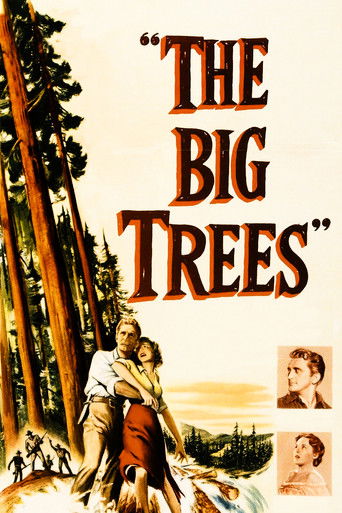
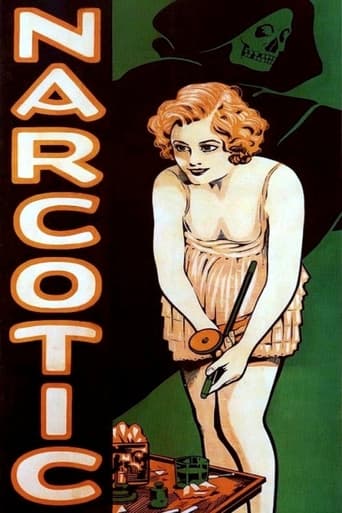

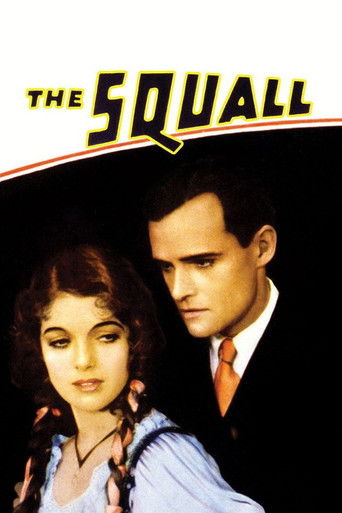
About Harry Cording
Prolific British character actor who became one of Hollywood's most recognizable supporting players during the Golden Age of cinema. Born in England, he served in the British Army during World War I before moving to the United States to pursue an acting career. Cording made his film debut in the mid-1920s and quickly established himself as a reliable villain and heavy, appearing in over 200 films throughout his three-decade career. His imposing physical presence, standing over 6 feet tall with a muscular build and stern features, made him ideal for playing henchmen, villains, and authority figures. He became particularly well-known for his work in Universal's horror films, often appearing alongside Boris Karloff and Bela Lugosi, as well as in swashbuckling adventures and film noir. Cording's distinctive face and voice made him familiar character actors of his era, even if audiences rarely knew his name. He continued working steadily through the early 1950s, appearing in television roles in his final years before his death in 1954.
The Craft
On Screen
Cording specialized in portraying menacing, authoritative characters with a commanding physical presence. His acting style was direct and effective, relying on his imposing stature, deep voice, and stern facial expressions rather than elaborate technique. He excelled at conveying threat and villainy with minimal dialogue, often using his height and muscular build to intimidate other characters. Cording's approach was typically straightforward and realistic, avoiding theatrical mannerisms in favor of grounded, believable performances that made his villains genuinely menacing.
Milestones
- Appeared in over 200 films during his career
- Became a regular in Universal's horror films of the 1930s and 1940s
- Played memorable villain in 'The Adventures of Robin Hood' (1938)
- Worked with legendary directors like Michael Curtiz and William Castle
- Transitioned successfully from silent films to talkies
- Became one of Hollywood's most recognizable character actors
Best Known For
Iconic Roles
Must-See Films
Accolades
Special Recognition
- Hollywood Walk of Fame star (for contributions to motion pictures)
Working Relationships
Worked Often With
Studios
Why They Matter
Impact on Culture
Harry Cording became an integral part of Hollywood's Golden Age, contributing to the visual language of classic cinema through his memorable character performances. His work helped define the archetypal villain in 1930s and 1940s films, particularly in the horror and adventure genres. Cording's distinctive presence made him a familiar face to movie audiences of the era, even if they didn't know his name, contributing to the supporting performances that made classic Hollywood films so memorable. His ability to bring depth and menace to relatively small roles elevated many films and demonstrated the crucial importance of character actors in creating immersive cinematic worlds.
Lasting Legacy
Harry Cording's legacy lies in his contribution to the golden age of Hollywood cinema as. With over 200 film credits to his name, he exemplified the journeyman actor who provided essential support to leading players while creating memorable characters in his own right. His performances continue to be appreciated by film enthusiasts and scholars who study the craft of character acting. Cording's work remains proof of the art of supporting performance and the vital role that character actors play in the success of classic films.
Who They Inspired
Cording influenced subsequent generations of character actors through his professional approach and memorable performances. His ability to create distinctive, menacing characters with limited screen time demonstrated the art of efficient, effective character performance. Many later character actors in horror and adventure films drew inspiration from his techniques for conveying threat and authority through physical presence and minimal dialogue. His career also showed the value of specialization within character acting, as he became the go-to performer for certain types of roles.
Off Screen
Harry Cording married actress Margaret Cording (née Margaret Lorraine Fealy) in 1927, and they remained married until his death in 1954. The couple had one daughter together. Cording was known as a quiet, professional actor who kept his personal life private and focused on his craft. He was well-liked by his colleagues in the film industry for his reliability and professionalism on set. Despite his menacing screen persona, those who knew him described him as a gentle, kind man off-camera.
Education
Limited formal education; served in the British Army during World War I before pursuing acting
Family
- Margaret Cording (1927-1954)
Did You Know?
- Served in the British Army during World War I before becoming an actor
- Stood over 6 feet tall, making him an imposing presence on screen
- Appeared in more than 200 films during his 30-year career
- Was frequently typecast as villains and henchmen due to his intimidating appearance
- Worked with virtually every major star of Hollywood's Golden Age
- Appeared in multiple films with both Boris Karloff and Bela Lugosi
- His distinctive face made him
- Transitioned to television in the early 1950s for his final roles
- Often played characters named 'Henchman' or 'Thug' in credits
- Was a favorite of horror film directors for his ability to convey menace
In Their Own Words
(As character actor, few personal quotes are documented, but his characters often delivered menacing lines like 'You'll never escape!' or 'Stop right there!')
Frequently Asked Questions
Who was Harry Cording?
Screen credits include over 200 films during Hollywood's Golden Age, specializing in playing villains, henchmen, and authority figures. He was particularly known for his work in Universal horror films and swashbuckling adventures, becoming.
What films is Harry Cording best known for?
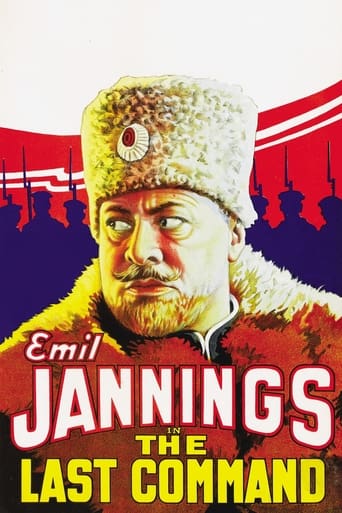
Titles linked here include The Adventures of Robin Hood (1938), The Last Command (1928).
When was Harry Cording born and when did he die?
Born July 26, 1888; died September 1, 1954.
What awards did Harry Cording win?
Harry Cording did not receive major acting awards or Academy Award nominations during his career, though he was honored with a star on the Hollywood Walk of Fame for his contributions to motion pictures. His recognition came primarily from his status as one of Hollywood's most reliable and recognizable character actors.
What was Harry Cording's acting style?
Harry Cording's acting style was characterized by his imposing physical presence and direct, effective approach to playing menacing characters. He relied on his tall stature, muscular build, deep voice, and stern expressions to create believable villains and authority figures. His technique was straightforward and realistic, avoiding theatrical mannerisms in favor of grounded, intimidating performances that made his characters genuinely threatening.