
Patricia Farley
Actor
Born: January 15, 1903 in Kansas City, Missouri, USA Died: December 20, 1978 Active: 1925-1935 Birth Name: Patricia L. Farley
Films
1 film
About Patricia Farley
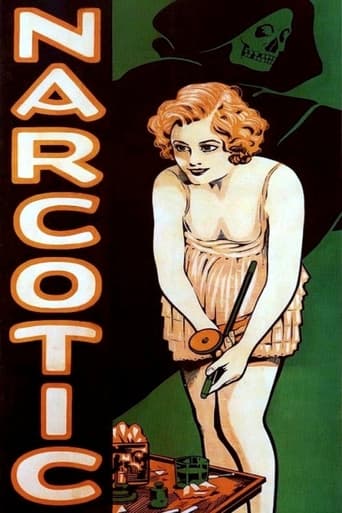
American actress who worked primarily during the late silent era and early sound period of Hollywood. Patricia appears in several films throughout the 1920s and early 1930s, though her career was relatively brief compared to many of her contemporaries. Farley is best remembered for her role in the 1933 pre-Code exploitation film 'Narcotic,' which was one of her more notable screen appearances. Like many actresses of her era, she often played supporting roles and sometimes went without on-screen billing in her film work. Her career coincided with the challenging transition from silent films to talkies, a period that saw many actors' careers cut short. Beyond her film work, little is documented about her later life or activities after leaving the entertainment industry.
The Craft
On Screen
Farley's acting style was typical of the transitional period between silent and sound cinema, characterized by the exaggerated expressions of silent film acting gradually adapting to the more naturalistic demands of talkies. Her performances in exploitation films like 'Narcotic' demonstrated a willingness to tackle controversial subject matter that was becoming more common in pre-Code Hollywood.
Milestones
- Appeared in the controversial exploitation film 'Narcotic' (1933)
- Worked during the transition from silent to sound films
- Supporting roles in several minor productions of the early 1930s
Best Known For
Iconic Roles
Must-See Films
Working Relationships
Worked Often With
Studios
Why They Matter
Impact on Culture
Patricia Farley's contribution to cinema, while not widely recognized, represents the broader landscape of Hollywood's working actors during the early sound era. Her appearance in 'Narcotic' places her within the context of pre-Code exploitation cinema, which pushed boundaries of acceptable content and reflected the social concerns of the Great Depression era. These films, though often dismissed as sensationalist at the time, have gained scholarly attention for their candid treatment of taboo subjects and their role in the development of Hollywood's self-censorship system.
Lasting Legacy
As a minor actress from the early sound era, Patricia Farley's legacy is primarily preserved through her participation in 'Narcotic,' a film that has become a cult classic among exploitation cinema enthusiasts. Her career exemplifies the experience of countless actors who populated Hollywood's margins during the studio system's golden age, contributing to the American cinema without achieving stardom. Her work serves as a reminder of the many forgotten performers who helped create the films that continue to captivate audiences and scholars today.
Who They Inspired
While Patricia Farley did not achieve the level of recognition that would have allowed her to directly influence other performers, her participation in exploitation cinema contributed to a genre that would later influence filmmakers interested in pushing social boundaries. The films of this era, including those featuring actors like Farley, paved the way for more explicit treatment of social issues in later American cinema.
Off Screen
Very little is documented about Patricia Farley's personal life beyond her brief film career. She appears to have left the entertainment industry by the mid-1930s, possibly due to the difficulties many actors faced during the transition to sound or personal choice. Like many minor actors of her era, she largely faded from public view after her retirement from films.
Education
Educational background not documented in available sources
Family
- Unknown - not documented in public records
Did You Know?
- 'Narcotic' (1933) was directed by Dwain Esper, known for his exploitation films that pushed the boundaries of acceptable content
- The film 'Narcotic' was one of many pre-Code films that dealt frankly with drug addiction, a taboo subject at the time
- Exploitation films like 'Narcotic' were often shown independently of the studio system and marketed as educational despite their sensational content
- Many actors in exploitation films were uncredited, making complete filmographies difficult to compile
- The transition to sound in the late 1920s and early 1930s ended the careers of many actors whose voices or acting styles did not adapt well to talkies
- Farley's active years covered the crucial period when Hollywood was implementing the Hays Code, which would soon restrict the content of films like 'Narcotic'
- Poverty Row studios, where many actors like Farley found work, operated on minimal budgets and often produced exploitation films
- The exact number of films Patricia Farley appeared in is unknown due to incomplete records from the era and lack of credits
In Their Own Words
No documented quotes from Patricia Farley are available in historical records
Frequently Asked Questions
Who was Patricia Farley?
American actress who worked during the late silent era and early sound period, best known for appearing in the 1933 exploitation film 'Narcotic.' Her career was relatively brief, spanning roughly from 1925 to 1935.
What films is Patricia Farley best known for?
Titles linked here include Narcotic (1933).
When was Patricia Farley born and when did she die?
Born January 15, 1903; died December 20, 1978.
What awards did Patricia Farley win?
There are no documented awards or nominations for Patricia Farley. Like many supporting actors of her era, particularly those working in independent and exploitation films, she did not receive formal recognition from the industry.
What was Patricia Farley's acting style?
Farley's acting style reflected the transitional period between silent and sound films, incorporating elements of both the exaggerated expressions of silent cinema and the emerging naturalism of early talkies. Her work in exploitation films demonstrated versatility in handling controversial subject matter.