Films
1 film
About Miami Alvarez
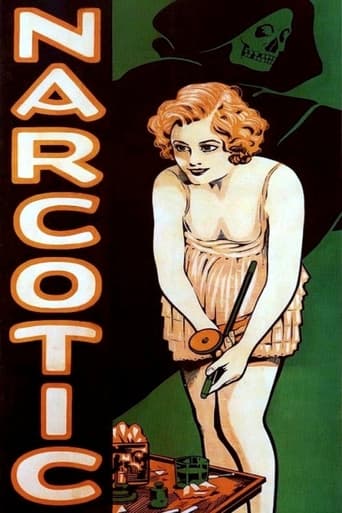
Miami Alvarez was cast in exploitation films during the 1930s. Very little documented information exists about this performer, who was likely a minor character actor or possibly a stage name used for a single appearance. Miami Alvarez's only known credit is in the 1933 exploitation film 'Narcotic,' which was directed by Dwain Esper and was typical of the sensationalistic films that pushed the boundaries of the Hays Code. Like many actors in exploitation cinema of this period, Miami Alvarez may have been a struggling performer trying to break into the mainstream film industry or someone specifically hired for these controversial productions. The lack of additional filmography or biographical details suggests either a very brief career or the use of a pseudonym that has made further research difficult.
The Craft
Milestones
- Appeared in the 1933 exploitation film 'Narcotic'
Best Known For
Must-See Films
Working Relationships
Worked Often With
Studios
Why They Matter
Impact on Culture
Miami Alvarez represents the many anonymous or nearly-forgotten actors who appeared in exploitation cinema during the pre-Code era. These performers often worked outside the mainstream studio system in films that dealt with taboo subjects like drug addiction, sexuality, and crime. While their individual contributions may seem minimal, collectively they helped create a body of work that pushed cinematic boundaries and tested the limits of what could be shown on screen during this transitional period in American film history.
Lasting Legacy
The legacy of Miami Alvarez is primarily as a representative example of the countless actors whose names have been lost to film history despite their participation in historically significant films. 'Narcotic' itself has gained cult status among film scholars and enthusiasts interested in exploitation cinema and pre-Code Hollywood, making even minor contributors like Alvarez part of this important cinematic legacy. The mystery surrounding this actor's identity and career also speaks to the ephemeral nature of fame in early Hollywood and the many stories that remain untold.
Who They Inspired
Given the limited filmography and documentation, Miami Alvarez's influence on other performers or filmmakers cannot be substantiated. However, as part of the ensemble cast of an exploitation film that challenged censorship boundaries, the actor contributed to the broader movement that would eventually influence more mainstream filmmakers to push for greater creative freedom in American cinema.
Off Screen
No documented information is available about Miami Alvarez's personal life, family background, or circumstances outside of their brief appearance in 'Narcotic.'
Did You Know?
- Miami Alvarez's only known film appearance is in 'Narcotic' (1933), an exploitation film directed by Dwain Esper
- 'Narcotic' was one of many sensationalistic films made before the strict enforcement of the Hays Code in 1934
- Exploitation films like 'Narcotic' often used unknown actors or pseudonyms to protect the performers' reputations
- The film 'Narcotic' has survived and is now in the public domain, available for viewing by classic cinema enthusiasts
- Miami Alvarez may have been a stage name, as was common in exploitation cinema of this era
- The lack of additional credits suggests either a very brief acting career or the use of multiple pseudonyms
- Exploitation films were typically produced on very low budgets outside the major studio system
- Actors in these films often worked for minimal pay hoping to be discovered by mainstream producers
Frequently Asked Questions
Who was Miami Alvarez?
Screen credits include exploitation films. Very little is known about this performer, whose only documented credit is in the 1933 film 'Narcotic.' Like many actors in exploitation cinema, Alvarez remains largely anonymous in film history.
What films is Miami Alvarez best known for?
Titles linked here include Narcotic (1933).
When was Miami Alvarez born and when did they die?
The birth and death dates of Miami Alvarez are not documented in available film records. This lack of biographical information is common for minor actors who appeared in exploitation films during the early 1930s.
What awards did Miami Alvarez win?
There are no records of Miami Alvarez receiving any awards or nominations for acting. Given the actor's limited filmography and the nature of exploitation cinema, formal recognition would have been unlikely.
What was Miami Alvarez's acting style?
Due to the limited documentation and the fact that only one film credit is known, Miami Alvarez's specific acting style cannot be determined. Actors in exploitation films of this era typically employed exaggerated, theatrical performances typical of the transition from silent to sound films.
Why is so little known about Miami Alvarez?
The scarcity of information about Miami Alvarez is typical of actors who worked in exploitation cinema during the 1930s. These films were produced outside the mainstream studio system, records were poorly maintained, and actors often used pseudonyms, making historical research difficult.
What is the significance of 'Narcotic' in film history?
'Narcotic' (1933) is significant as an example of pre-Code exploitation cinema that pushed boundaries regarding subject matter. These films tested censorship limits and have since gained historical and cult status among film scholars interested in Hollywood's transitional period.