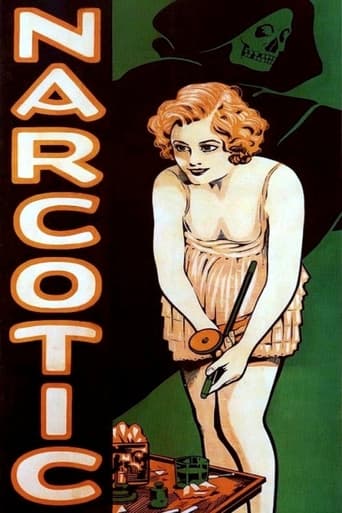
Films
1 film
About Joan Dix
Joan Dix appears once in this catalog: Narcotic (1933). Her most notable role was in the controversial 1933 film 'Narcotic,' directed by Dwain Esper, which was one of many sensationalized films that explored taboo subjects like drug addiction. Dix's career was relatively brief, spanning the early years of the sound era when exploitation films were gaining popularity as an alternative to mainstream Hollywood productions. She worked alongside other actors who specialized in this niche genre, including Helen Foster and Phillips Holmes. Like many actors in exploitation cinema, Dix's performances were characterized by their dramatic intensity and willingness to tackle controversial subject matter that mainstream studios avoided. Her work in 'Narcotic' represented the type of gritty, realistic portrayals that exploitation films sought to deliver to audiences hungry for more adult content. While her filmography was limited, her contribution to this unique period of cinema history reflects the broader landscape of American filmmaking during the Depression era.
The Craft
On Screen
Dix's acting style was typical of exploitation cinema performers - dramatic, intense, and unflinching in its portrayal of controversial subject matter. Her performances emphasized the sensational aspects of the stories, using exaggerated emotions and gestures to convey the moral warnings that exploitation films sought to deliver.
Milestones
- Appeared in the controversial exploitation film 'Narcotic' (1933)
- Worked with director Dwain Esper during the pre-Code era
- Participated in the exploitation film movement of the early 1930s
Best Known For
Iconic Roles
Must-See Films
Working Relationships
Worked Often With
Studios
Why They Matter
Impact on Culture
Joan Dix's contribution to cinema, while limited in scope, represents an important aspect of early 1930s American film culture - the exploitation genre. Her work in 'Narcotic' and similar films helped document the social concerns and moral panics of the Depression era, providing a counter-narrative to the more sanitized productions of major studios. These films, though often dismissed as sensationalist, served as a form of social commentary and reflected the public's fascination with taboo subjects during a period of significant social change.
Lasting Legacy
Joan Dix's legacy lies in her participation in the exploitation film movement that flourished before the enforcement of the Hays Code in 1934. While she may not be remembered as a major star, her work contributes to our understanding of the diverse landscape of early American cinema and the alternative film industries that operated alongside Hollywood. The films she appeared in have since gained cult status among film historians and enthusiasts interested in the more obscure corners of classic cinema.
Who They Inspired
As an actor in exploitation films, Joan Dix was part of a movement that pushed the boundaries of acceptable content in American cinema, indirectly influencing later filmmakers who sought to address controversial subjects. The exploitation genre's willingness to tackle taboo topics paved the way for more honest portrayals of social issues in later decades of American filmmaking.
Off Screen
Very little is known about Joan Dix's personal life, as was common for many actors who worked in exploitation cinema during the early 1930s. These performers often worked outside the mainstream Hollywood system and received limited press coverage, leaving few records of their private lives, family backgrounds, or personal relationships.
Did You Know?
- Joan Dix appeared in 'Narcotic' (1933),
- The film 'Narcotic' was directed by Dwain Esper, known for his sensationalized exploitation films
- Exploitation films like 'Narcotic' were often shown in independent theaters and roadshow circuits rather than mainstream cinemas
- Many actors in exploitation films used stage names, making it difficult to trace their complete careers
- The exploitation genre was known for its sensational marketing campaigns and shocking subject matter
- Joan Dix's career coincided with the brief period before strict censorship was enforced in Hollywood
- Exploitation films often claimed to be educational or documentary-style to justify their controversial content
- Very few records exist about many exploitation film actors, including Joan Dix, reflecting their marginal status in film history
Frequently Asked Questions
Who was Joan Dix?
American actress who worked in exploitation films during the early 1930s, best known for her appearance in the controversial 1933 film 'Narcotic.' She was part of the pre-Code era cinema that tackled taboo subjects often avoided by mainstream Hollywood studios.
What films is Joan Dix best known for?
Titles linked here include Narcotic (1933).
When was Joan Dix born and when did she die?
Specific birth and death dates for Joan Dix are not readily available, which was common for many actors who worked in exploitation cinema during the early 1930s. Limited records were kept for performers in this marginal film sector.
What awards did Joan Dix win?
Joan Dix did not receive any major awards or nominations during her career. Actors in exploitation films during the early 1930s rarely received recognition from mainstream industry organizations, as these films operated outside the Hollywood establishment.
What was Joan Dix's acting style?
Joan Dix's acting style was typical of exploitation cinema - dramatic, intense, and unflinching in portraying controversial subject matter. Like other actors in this genre, she emphasized emotional intensity and sensational delivery to convey the moral warnings that exploitation films sought to deliver.