

Films
9 films



About Charles Bennett
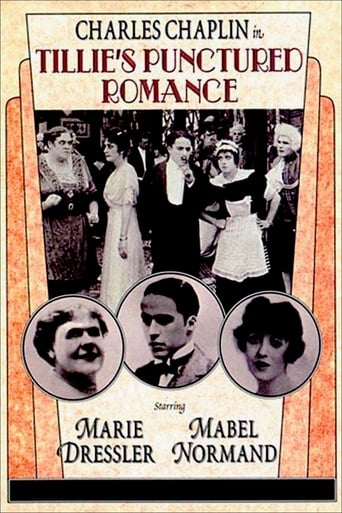
American actor who worked during the silent film era, primarily active from 1913 to 1924. He emerged as a supporting player in the burgeoning Hollywood film industry, appearing in numerous comedies and dramatic shorts during cinema's formative years. Bennett worked extensively with Mack Sennett's Keystone Studios, production companies of the 1910s, appearing alongside comedians like Charlie Chaplin, Mabel Normand, and Marie Dressler. His filmography includes appearances in some of the most significant early American comedies, including the landmark feature 'Tillie's Punctured Romance' (1914), which was one of the first feature-length comedies produced in Hollywood. Throughout his career, Bennett appeared in dozens of short films and features, often in uncredited or minor supporting roles that were typical of character actors of the era. His the transition from one-reel shorts to longer feature films, though he largely disappeared from the screen by the mid-1920s as the film industry evolved and new stars emerged.
The Craft
On Screen
As a supporting actor in the silent era, Bennett likely employed the exaggerated physical acting style common to early film comedy, with broad gestures and facial expressions necessary to convey emotion and humor without dialogue. His work in Keystone comedies suggests he was skilled in physical comedy and slapstick techniques that were hallmarks of the studio's productions.
Milestones
- Appeared in 'Tillie's Punctured Romance' (1914), one of the first feature-length American comedies
- Worked with Mack Sennett's Keystone Studios during their golden age
- Appeared alongside Charlie Chaplin in several early films
- Participated in the early development of American film comedy
- Transitioned from short films to feature-length productions
Best Known For
Iconic Roles
Must-See Films
Working Relationships
Worked Often With
Studios
Why They Matter
Impact on Culture
Charles Bennett, while not a major star, contributed to the development of American film comedy during its crucial formative years. His work with Keystone Studios placed him at the center of the creative revolution that defined early Hollywood comedy, working alongside pioneers who would shape the future of film entertainment. The films he appeared in, particularly 'Tillie's Punctured Romance,' represent important milestones in cinema history, demonstrating the medium's evolution from simple shorts to complex feature-length narratives.
Lasting Legacy
Charles Bennett's legacy lies in his participation in some of the most significant films of early American cinema. Though his individual contributions may have been small, he was part of the collaborative effort that created timeless comedies that continue to be studied and appreciated by film historians. His work shows the many unsung character actors who helped build the foundation of Hollywood during its days.
Who They Inspired
As a supporting actor rather than a star, Bennett's direct influence on subsequent performers was likely limited. However, his participation in Keystone comedies contributed to the development of comedy techniques and cinematic language that would influence generations of filmmakers and performers who followed.
Off Screen
Very little is documented about Charles Bennett's personal life, which was common for supporting actors of the silent era who did not achieve major stardom. Like many character actors of his time, he likely lived a relatively private life outside of his film work, with details about his family, relationships, and personal interests largely lost to history.
Did You Know?
- Appeared in 'Tillie's Punctured Romance' alongside Charlie Chaplin in one of Chaplin's earliest film roles
- Worked during the peak years of Keystone Studios when they dominated American comedy
- Participated in the transition from one-reel shorts to feature-length films
- His active years covered the crucial period when American cinema was establishing its identity
- Like many silent era actors, his career ended before the transition to sound films
- Appeared in films directed by both Mack Sennett and Mabel Normand
- Worked during a time when actors often performed their own stunts
- Part of the ensemble that helped establish the language of film comedy
Frequently Asked Questions
Who was Charles Bennett?
American with credits in this catalog. He was a supporting actor who appeared alongside early film legends like Charlie Chaplin and Mabel Normand.
What films is Charles Bennett best known for?
Titles linked here include Tillie's Punctured Romance (1914), Mabel's Blunder (1914).
When was Charles Bennett born and when did he die?
Unfortunately, specific birth and death dates for Charles Bennett are not well-documented, which was common for supporting actors of the silent era who did not achieve major stardom.
What awards did Charles Bennett win?
Charles Bennett did not receive any major awards or nominations during his career, as formal award systems for film were not well-established during his active years in the 1910s and early 1920s.
What was Charles Bennett's acting style?
Bennett employed the typical acting style of silent film comedians, featuring exaggerated physical expressions and gestures necessary to convey emotion and humor without dialogue. His work in Keystone productions suggests he was skilled in the slapstick comedy techniques popularized by the studio.