

The Courage of the Commonplace
"College dreams deferred"
Keys: Space play/pause · ←/→ 10s · F fullscreen · M mute · </> speed
About this film
Farm daughter sacrifices college savings for family needs until community recognizes her quiet devotion. Progressive-era melodrama praises unpaid women's labor.
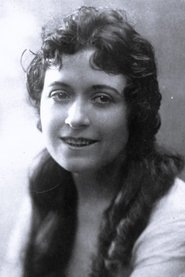
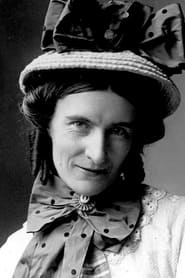
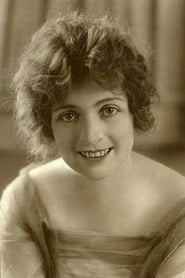
Cast & crew
More films like this

More Drama films
View all →







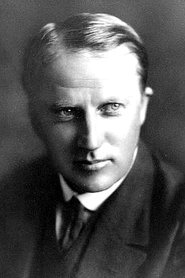
More from Rollin S. Sturgeon
View all →

More about this film
About the production
Release dateNovember 1913
ProductionVitagraph Company of America
Filmed inCalifornia
This film was produced during the early years of American cinema when the industry was still establishing itself as a legitimate art form. The Vitagraph Company was one of the major production houses of the era, known for producing quality dramatic shorts. The film was likely shot on location or on studio sets designed to resemble rural American farmsteads, typical of Vitagraph's approach to realistic storytelling.
Themes
Self-sacrificeFamily dutyEducational aspirationRural lifeWomen's roles
Themes & topics
Historical background
The Courage of the Commonplace (1913) aligns with reform narratives about rural education and gender duty.
Why this film matters
Such 'noble sacrifice' tales shaped silent-era gender ideology in American one-reelers.
Making of
The production of The Courage of the Commonplace took place during a formative period in American cinema when filmmakers were developing the language of cinematic storytelling. Director Rollin S. Sturgeon, working for the Vitagraph Company, would have directed the production using the techniques common to the era - stationary camera positions, theatrical acting styles, and intertitle cards to convey dialogue and exposition. The film was likely shot in a matter of days, as was typical for short productions of this period. The rural setting would have been created either on location at actual farms or on studio backlots designed to resemble the American countryside. The cast, led by Mary Charleson, would have been under contract to Vitagraph, as the studio system was already beginning to take shape in the American film industry.
What critics said
Women's magazines' moral tone echoed in trade reviews; historians note typical reform melodrama.
Did you know?
- Director Rollin S. Sturgeon was one of Vitagraph's most prolific directors, helming over 200 films during his career
- Mary Charleson, who played the lead, was a popular actress of the early 1910s who often portrayed wholesome, virtuous characters
- The film was released during a transitional period when American cinema was moving from one-reel shorts to longer, more complex narratives
- Vitagraph was one of the first film companies to establish a permanent studio in California, taking advantage of the year-round filming weather
- The film's title reflects the Progressive Era's fascination with the dignity of ordinary people and their struggles
- 1913 was the year before the outbreak of World War I, a time when American audiences were increasingly drawn to domestic dramas rather than European stories
- The film was likely accompanied by live musical accompaniment during its theatrical runs, as was standard practice for silent films of this era
- Rollin S. Sturgeon was known for his ability to draw naturalistic performances from his actors, which was particularly important for intimate dramas like this one
Visual style
The cinematography of The Courage of the Commonplace would have employed the standard techniques of early 1910s American cinema. The film was likely shot in black and white using hand-cranked cameras, resulting in the variable frame rates characteristic of the era. Camera work would have been relatively static, with the camera positioned at eye level to create a theatrical perspective. Lighting would have relied primarily on natural light for exterior scenes and basic artificial lighting for interiors, creating the high-contrast look typical of early films. The visual composition would have emphasized the actors and their performances, with careful attention to framing the emotional moments of the story. Any rural or farm settings would have been photographed to emphasize the beauty and hardship of country life.
Innovations
The Courage of the Commonplace does not appear to have been a technically innovative film, instead representing the established techniques of American cinema in 1913. The film would have been shot on 35mm film stock using the equipment standard for the period. Its technical achievements would lie in the competent execution of contemporary filmmaking practices rather than in innovation. The film likely demonstrated Vitagraph's reputation for professional production values, including clear cinematography, proper exposure, and effective use of intertitle cards to advance the narrative. Any technical significance would be in its role as an example of the maturation of American film technique during the transitional period between early cinema's simplicity and the more sophisticated methods that would emerge in the mid-1910s.
Music
As a silent film, The Courage of the Commonplace would have been accompanied by live musical performance during its theatrical exhibition. The musical accompaniment would have varied by venue, ranging from a single piano in smaller nickelodeons to small ensembles or even full orchestras in larger theaters. The music would have been selected to match the emotional tone of each scene, with pastoral melodies for rural settings, dramatic music for moments of conflict, and tender themes for scenes of family affection. Popular songs of the era might have been incorporated when appropriate, and the pianist or orchestra would have used cue sheets provided by the studio or created their own musical interpretations of the on-screen action. The lack of recorded sound meant that the visual storytelling had to carry the entire emotional weight of the narrative.
Memorable scenes
- The climactic scene where the farmer's daughter must choose between using her savings for her family's immediate needs or for her college education, representing the central conflict between duty and personal dreams
What audiences thought
Audience reception of The Courage of the Commonplace in 1913 would have been influenced by the growing appetite among American moviegoers for dramatic stories with relatable characters and moral themes. The film's focus on family values, self-sacrifice, and educational aspiration would have resonated with the predominantly middle-class audiences who attended nickelodeons and early movie theaters. Vitagraph's reputation for quality productions likely drew audiences to their releases, and the film's rural setting would have appealed to the many Americans who still had strong connections to farm life or recent memories of it. The emotional storyline of a young woman's struggle between duty and dreams was a popular theme in early cinema and would have engaged audiences' sympathies.
Film connections
Influenced by
- Progressive Era social reform movements
- Domestic melodrama tradition
- Rural realism in literature
- Women's suffrage movement
- Social problem films
Film restoration
The Courage of the Commonplace is believed to be a lost film, as is the case with the vast majority of American silent films produced before 1920. The Library of Congress estimates that approximately 75% of American silent films are lost, with an even higher percentage for films from the early 1910s. No known copies or fragments of the production are known to exist in major film archives or private collections. The film's status as a Vitagraph production from 1913 makes its survival unlikely, as many films from this period were destroyed when studios converted to sound production in the late 1920s or simply deteriorated due to the unstable nature of early film stock.
Where to watch
- the title is currently unavailable for viewing as it is believed to be lost. No known copies exist in film archives, museums, or private collections. Film enthusiasts interested in similar themes might seek out surviving films from the same period that deal with rural life and women's aspirations, such as those directed by D.W. Griffith or other Vitagraph productions that have survived.