Films
6 films

About Rollin S. Sturgeon
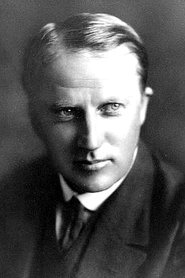
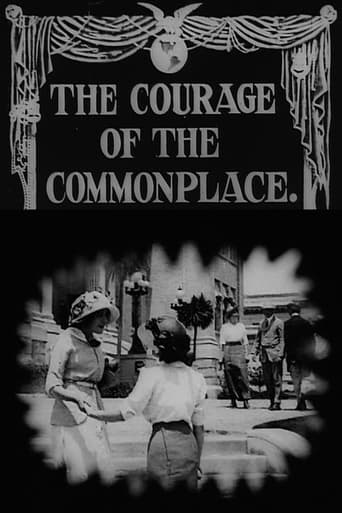
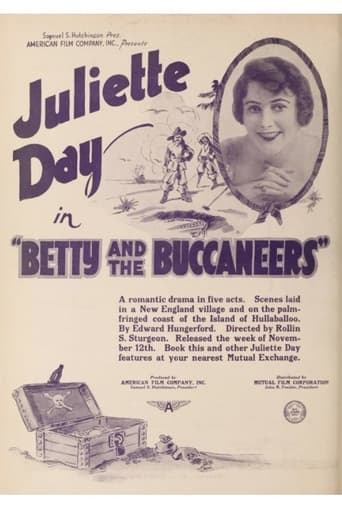
Rollin Sturgeon — American film director who worked during the silent era, with a career that appears to have begun in the early 1910s and extended into the early 1920s. He is credited on a number of early motion pictures, including The Courage of the Commonplace (1913), Betty and the Buccaneers (1917), and All Dolled Up (1921), which places him among the working directors of the formative years of narrative film production. Like many directors of his generation, he developed his craft in an industry that was still defining the grammar of cinema, and his output reflects the rapid growth of studio filmmaking during the silent period. He is primarily remembered as a director rather than as a public celebrity, and surviving documentation about his personal life is limited compared with later Hollywood figures. His filmography suggests consistent employment across a period when directors often moved between companies and genres, contributing to the broad expansion of feature production. Because much of the silent-era record is incomplete, many details of his private biography, education, and later life remain uncertain or undocumented in widely available sources.
The Craft
Behind the Camera
Sturgeon worked in the silent-era mode of directorial craft, where visual clarity, stage-inspired blocking, and economical storytelling were essential. His surviving credits suggest a filmmaker operating within the conventions of early American narrative cinema, likely emphasizing readable action, expressive performers, and straightforward dramatic construction. Because detailed production records and critical assessments are scarce, his personal style cannot be pinned to a single distinctive school or signature technique with confidence. He should be understood as part of the broader cohort of early directors who adapted theatrical storytelling to the screen while the medium was still developing its visual language.
Milestones
- Directed The Courage of the Commonplace in 1913, placing him among the early filmmakers active during the transition from short-form cinema to more developed narrative filmmaking.
- Helmed Betty and the Buccaneers in 1917, demonstrating continued work during the peak years of silent-era production.
- Directed All Dolled Up in 1921, indicating an active career that extended into the post-World War I silent-film landscape.
- Built a filmography during the foundational years of Hollywood studio expansion, when directors helped define genre storytelling and production efficiency.
- Represents the many working silent-era directors whose contributions helped establish the commercial and artistic norms of American cinema.
- Maintained activity across at least eight years of screen history, which was a meaningful span in the fast-changing early film industry.
Best Known For
Must-See Films
Why They Matter
Impact on Culture
Rollin Sturgeon’s cultural impact lies less in broad public fame than in his place within the first generation of American screen directors. Directors like Sturgeon were essential to the establishment of the silent film industry, helping shape how stories were paced, staged, and visually communicated before synchronized sound and modern continuity systems were fully standardized. His work reflects the many craftsmen whose films populated theaters nationwide and helped build audience habits around feature-length narrative cinema. Even when individual titles have not remained widely famous, directors of his era contributed to the industrial and artistic foundation upon which later Hollywood was built.
Lasting Legacy
Sturgeon’s legacy is that of a working silent-era director whose surviving credits document an active role in early film history. He is part of the historical fabric of American cinema at a time when thousands of productions were made, many now lost, and many filmmakers left behind only fragmentary traces. For film historians, his name is valuable as evidence of the breadth of early studio-era talent and the many directors whose careers helped define the medium before the advent of sound. His legacy endures primarily through archival filmographies and historical databases that preserve the names of early practitioners who contributed to cinema’s formative decades.
Who They Inspired
While there is no widely documented record of Rollin Sturgeon directly mentoring major later filmmakers, his work belongs to the generation that established the professional norms later directors inherited. Silent-era directors influenced one another through studio practice, shared crews, and the evolving language of montage, performance, and visual narration. Sturgeon’s films participated in that environment, contributing to the collective body of methods from which later American directors learned. His influence is therefore best understood as institutional and historical rather than as a singular, traceable line of mentorship.
Off Screen
Very little widely available biographical information survives about Rollin Sturgeon’s personal life. Standard silent-era reference sources do not consistently document his family background, marriages, children, or later years. As a result, his private life remains largely outside the historical record accessible through commonly used film databases. He appears in film history primarily through his directing credits rather than through celebrity coverage or extensive contemporary publicity.
Did You Know?
- He is credited with directing films across at least three distinct years separated by important phases of silent-cinema development: 1913, 1917, and 1921.
- His known career arc falls entirely within the silent film era, before the commercial arrival of synchronized sound.
- He is one of many early directors whose biography is far less documented than their surviving film credits.
- His work demonstrates how directors in the early 20th century often built careers on a steady stream of titles rather than on a small number of prestige productions.
- The surviving record suggests he remained active through the post-World War I years, when Hollywood was becoming increasingly centralized.
- Because many silent films are lost, some of his credited work may survive only in catalog records and reference listings rather than in complete prints.
- His name is sometimes encountered only in archival filmographies, which makes him more familiar to historians than to general audiences.
Frequently Asked Questions
Who was Rollin S. Sturgeon?
American silent-era on YTB.my. He is known today primarily through his directing credits rather than through extensive biographical documentation. His career places him among the early filmmakers who helped shape narrative cinema during Hollywood's formative years.
What films is Rollin S. Sturgeon best known for?
Titles linked here include The Courage of the Commonplace (1913), Betty and the Buccaneers (1917).
When was Rollin S. Sturgeon born and when did he die?
His birth and death dates are not readily available in widely used public film references. The historical record for many silent-era directors is incomplete, especially for those who were not major stars. As a result, his exact lifespan remains uncertain in commonly accessible sources.
What awards did Rollin S. Sturgeon win?
No widely documented awards or major nominations are readily associated with Rollin S. Sturgeon. This is not unusual for silent-era directors, many of whom worked before the modern awards culture was established. His importance is primarily historical rather than awards-based.
What was Rollin S. Sturgeon's directing style?
His directing style can only be described broadly because detailed criticism of his surviving work is limited. As a silent-era director, he would have worked within the conventions of visual storytelling, expressive staging, and clear dramatic structure. His films belong to the period when directors were helping invent the language of cinematic narrative.
What is Rollin S. Sturgeon's legacy in film history?
His legacy is that of a working early Hollywood director who contributed to the growth of silent cinema. Even if he is not a household name, his credits help document the many filmmakers who built the industry from the ground up. Historians value figures like Sturgeon because they show how broad and collaborative the silent era really was.