Loyola O'Connor
Actor
Born: 1868 in Baltimore, Maryland, USA Died: 1931 Active: 1913-1919
Films
4 films
About Loyola O'Connor
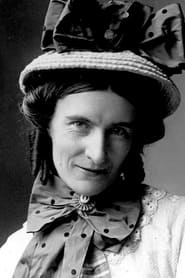
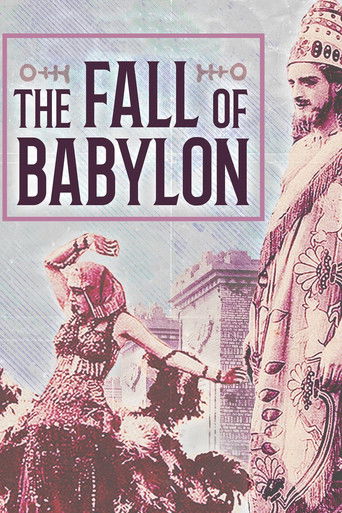
Character actress and supporting player during the silent film era, primarily active from 1913 through 1919. She worked extensively with director D.W. Griffith, appearing in several of his most significant productions including the epic 'Intolerance' (1916), where she played a role in the Babylonian sequence that was later released separately as 'The Fall of Babylon.' O'Connor specialized in portraying maternal figures, matrons, and authority figures, bringing depth and authenticity to her supporting roles. Her filmography, though brief, demonstrates her versatility across different genres from dramas to comedies. Loyola appears alongside some of the biggest stars of the silent era including Lillian Gish, Mae Marsh, and Robert Harron. Like many character actors of her time, she provided essential emotional weight and narrative support to the leading players. Her career coincided with the transitional period when American cinema was evolving from short films to feature-length productions, and she contributed to some of the most influential films of early cinema.
The Craft
On Screen
As a silent film character actress, Loyola O'Connor employed the subtle yet expressive acting style typical of Griffith's stock company. Rather than the exaggerated gestures common in early cinema, she used nuanced facial expressions and naturalistic movement to convey emotion, particularly effective in her maternal and authority figure roles.
Milestones
- Appeared in D.W. Griffith's epic 'Intolerance' (1916)
- Played supporting roles in multiple Griffith-directed films
- Worked during the transitional period from shorts to features
- Collaborated with major silent film stars including Lillian Gish
Best Known For
Iconic Roles
Must-See Films
Working Relationships
Worked Often With
Studios
Why They Matter
Impact on Culture
Loyola O'Connor contributed to some of the most influential films of early American cinema during a pivotal period in film history. Her work with D.W. Griffith placed her at the center of cinematic innovation, particularly in 'Intolerance,' which pioneered techniques in cross-cutting, massive set design, and epic storytelling that would influence generations of filmmakers. As part of Griffith's stock company, she helped establish the template for character acting in cinema, demonstrating how supporting players could provide essential emotional depth and narrative foundation to feature films.
Lasting Legacy
While not a household name like her leading co-stars, Loyola O'Connor's legacy endures through her contributions to landmark films that are still studied by film scholars today. Her performances in Griffith's epics represent the important work of character actors in early cinema who helped establish the dramatic language of film. She exemplifies the journeyman actors who formed the backbone of the early film industry, bringing professionalism and reliability to productions that were pushing the boundaries of the new medium.
Who They Inspired
As a member of D.W. Griffith's acting company, Loyola O'Connor was part of the training ground for many actors who would become stars. Her naturalistic approach to character acting, particularly in maternal roles, helped establish a template for supporting performances in American cinema. The techniques she employed under Griffith's direction influenced how character actors would approach their craft in subsequent decades.
Off Screen
Very little is documented about Loyola O'Connor's personal life, which was common for supporting actors of the silent era who did not achieve star status. She was born in Baltimore, Maryland, in 1868, making her in her mid-40s when she began her film career, relatively old for a newcomer to the film industry at that time. She appears to have dedicated her later years to acting before retiring from films around 1919. She passed away in 1931 at approximately age 63.
Did You Know?
- Began her film career at the relatively advanced age of 45
- Appeared in the Babylonian sequence of 'Intolerance,'
- Worked exclusively in silent films, retiring before the transition to sound
- Her film active years covered only 6 years but included work with some of the most important directors of the era
- Often played characters much older than her actual age
- Part of the stock company system that dominated early Hollywood
- Appeared in both short films and feature-length productions, witnessing the transition in the industry
Frequently Asked Questions
Who was Loyola O'Connor?
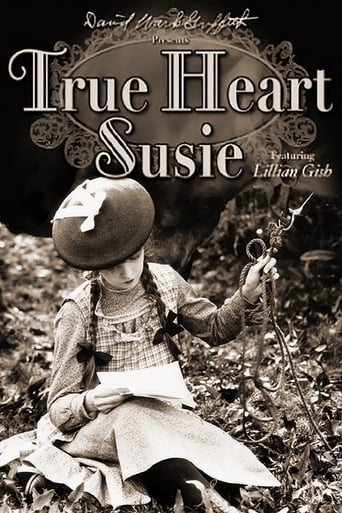
Character actress in silent films who worked primarily with on YTB.my.W. Griffith from 1913-1919. She specialized in maternal and authority figure roles, appearing in notable films including 'Intolerance' and 'True Heart Susie.'
What films is Loyola O'Connor best known for?
Titles linked here include Intolerance (1916), The Fall of Babylon (1919).
When was Loyola O'Connor born and when did she die?
Born 1868; died 1931.
What awards did Loyola O'Connor win?
Loyola O'Connor did not receive any major awards or nominations during her career, which was common for supporting character actors of the silent era. The Academy Awards were not established until 1929, after she had retired from films.
What was Loyola O'Connor's acting style?
She employed a naturalistic acting style typical of D.W. Griffith's stock company, using subtle facial expressions and restrained gestures rather than the exaggerated acting common in early cinema. Her style was particularly effective for the maternal and authority figures she portrayed.