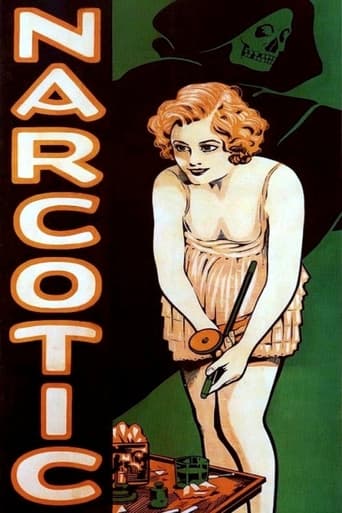
Films
1 film
About Jean Lacy
Jean Lacy appeared in American exploitation films during the early 1930s, a period when these sensationalized movies were gaining popularity despite being outside the mainstream Hollywood system. Most notably, Lacy appeared in Dwain Esper's controversial 1933 film 'Narcotic,' which was part of the exploitation genre that pushed boundaries with taboo subjects like drug addiction and morality. Actors in these films often worked outside the studio system and were frequently uncredited or received minimal recognition in contemporary film publications. The exploitation film industry provided opportunities for performers who might not have had access to major studio contracts, though these roles rarely led to sustained careers in mainstream cinema. Like many actors in this niche genre, Lacy's filmography appears to be limited to a few productions during this specific era. The lack of extensive documentation about Lacy's career is typical of many performers who worked in the lower-budget, independently produced films of this period.
The Craft
Milestones
- Appeared in Dwain Esper's 'Narcotic' (1933)
- Worked in the exploitation film genre during the pre-Code era
Best Known For
Must-See Films
Working Relationships
Worked Often With
Why They Matter
Impact on Culture
Jean Lacy's contribution to cinema, while not extensively documented, represents the broader landscape of American film production during the early 1930s. Actors in exploitation films like 'Narcotic' were part of a parallel film industry that operated outside the constraints of the Hays Code and major studio control. These films, though often dismissed as sensationalist, served as important cultural artifacts that addressed social issues and taboos that mainstream Hollywood avoided. The performers in these productions helped create a body of work that provides modern film historians with insight into the diverse types of cinema being produced during this era.
Lasting Legacy
Jean Lacy's legacy is primarily preserved through their appearance in 'Narcotic,' one of the more notable exploitation films of the early 1930s that has survived to the present day. While individual actors from these films rarely achieved lasting fame, their collective work represents an important chapter in American film history, showcasing the alternative cinema that existed alongside Hollywood's golden age productions.
Who They Inspired
As an actor in the exploitation genre, Jean Lacy was part of a movement that demonstrated the appetite for more controversial and realistic subject matter in American cinema, which would eventually influence more mainstream productions as censorship barriers began to loosen in later decades.
Off Screen
Very little is documented about Jean Lacy's personal life, which is common for actors who worked primarily in exploitation films during the early 1930s. These performers often existed outside the mainstream Hollywood publicity machine, resulting in limited biographical information in contemporary publications and film archives.
Did You Know?
- Appeared in 'Narcotic' (1933), one of director Dwain Esper's most famous exploitation films
- Worked during the pre-Code era when film censorship was less restrictive
- Part of the niche exploitation film industry that operated independently of major Hollywood studios
- Like many exploitation film actors, likely worked for lower pay but had more creative freedom than studio contract players
- Exploitation films of this era often dealt with taboo subjects like drug addiction, which mainstream films avoided
Frequently Asked Questions
Who was Jean Lacy?
Screen credits include exploitation films during the early 1930s, most notably in Dwain Esper's controversial 1933 film 'Narcotic.' Like many actors in this genre, Lacy worked outside the mainstream Hollywood system in independently produced films that dealt with taboo subjects.
What films is Jean Lacy best known for?
Titles linked here include Narcotic (1933).
When was Jean Lacy born and when did they die?
Specific birth and death dates for Jean Lacy are not documented in available film archives or historical records, which is common for many actors who worked primarily in exploitation films during the early 1930s.
What awards did Jean Lacy win?
Jean Lacy did not receive any major film awards or nominations, which was typical for actors working in exploitation films during this period as these productions existed outside the mainstream Hollywood award system.
What was Jean Lacy's acting style?
There is insufficient documentation about Jean Lacy's specific acting style or technique. Actors in exploitation films of the 1930s often employed more dramatic and exaggerated performances to emphasize the sensational nature of the subject matter, but individual details about Lacy's approach are not recorded in available sources.