
Dwain Esper
Director
Born: October 7, 1892 in Sunnyside, Washington, United States Died: October 18, 1982 Active: 1932-1940
Films
5 films

About Dwain Esper
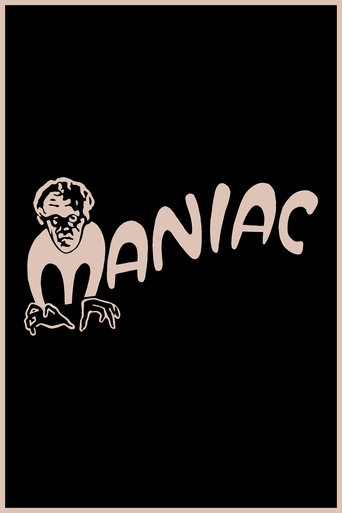
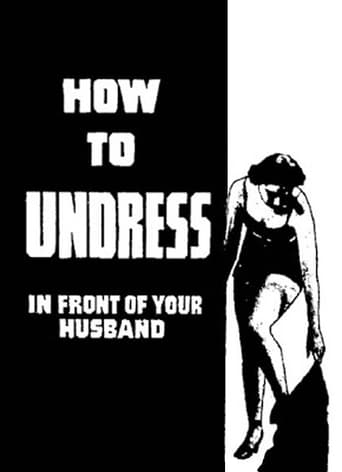
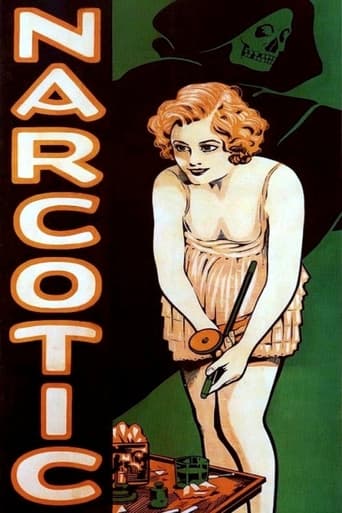
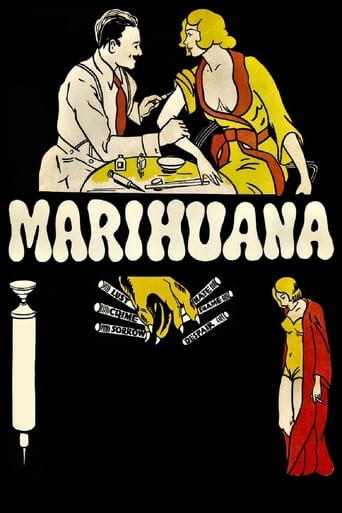
American exploitation film director and producer who operated during the 1930s, creating controversial films that pushed the boundaries of acceptable content in cinema. Beginning his career as a road show exhibitor, Esper transitioned to filmmaking with his wife Hildegarde Stadie, who often wrote the scripts for his productions. His films were typically low-budget productions that exploited sensational topics like drug addiction, mental illness, prostitution, and sexual perversion, often marketed as educational or warning films to bypass censorship restrictions. Esper's most notorious works include 'Maniac' (1934), a loose adaptation of Edgar Allan Poe's 'The Black Cat,' and 'Narcotic' (1933), which depicted the horrors of drug addiction. He frequently used shock value, nudity, and graphic content to attract audiences, establishing himself as successful exploitation filmmakers of his era. Despite the controversial nature of his work, Esper developed a reputation for technical innovation within the constraints of his limited budgets, often employing creative editing and visual effects to enhance the lurid content of his films. His career effectively ended by the early 1940s as the Hays Code enforcement became more stringent and public tastes evolved.
The Craft
Behind the Camera
Esper's directing style was characterized by sensationalism, shock value, and exploitation of taboo subjects. He employed rapid editing, dramatic close-ups, and expressionistic lighting techniques to create a sense of horror and depravity. His films often featured pseudo-documentary elements and moral framing to justify their lurid content, allowing them to be marketed as educational or warning films. Esper was known for working with extremely limited budgets, forcing him to develop creative solutions for special effects and production design, often using stock footage and inventive camera work to enhance the psychological impact of his films.
Milestones
- Directed 'Maniac' (1934), considered
- Produced 'Narcotic' (1933), a groundbreaking drug addiction exploitation film
- Created 'Sex Madness' (1938), one of the first films to address sexually transmitted diseases
- Pioneered the road show exhibition method for controversial films
- Developed innovative low-budget filming techniques that influenced later B-movie directors
Best Known For
Must-See Films
Accolades
Special Recognition
- Cult film status for several of his works
- Retrospective screenings at exploitation film festivals
Working Relationships
Worked Often With
Studios
Why They Matter
Impact on Culture
Dwain Esper significantly impacted American cinema by pushing the boundaries of acceptable content and demonstrating the commercial viability of exploitation films. His work challenged the censorship mechanisms of the Hays Code era, exposing the public's appetite for taboo subjects and forcing the film industry to confront issues of morality in entertainment. Esper's films, while often dismissed as trash cinema during their time, have gained recognition as important cultural artifacts that reflect the social anxieties and repressed desires of Depression-era America. His success in marketing controversial content under the guise of education established a template that would be used by countless exploitation filmmakers in subsequent decades.
Lasting Legacy
Dwain Esper's legacy endures through the cult status of his films, which are now studied as examples of early exploitation cinema and precursors to later horror and exploitation genres. His techniques for maximizing shock value on minimal budgets influenced generations of B-movie and horror filmmakers, from Roger Corman to John Waters. Esper's work represents an important chapter in film history that demonstrates how filmmakers circumvented censorship and commercial constraints to address taboo subjects. His films are now recognized not just for their sensational content but for their artistic merit within the exploitation genre, with 'Maniac' often cited as a masterpiece of low-budget psychological horror.
Who They Inspired
Esper influenced later exploitation filmmakers through his innovative use of limited resources and his understanding of audience psychology. His techniques for marketing controversial content as educational material became standard practice in the exploitation film industry. Directors like Herschell Gordon Lewis, the 'Godfather of Gore,' and Doris Wishman built upon Esper's legacy of pushing boundaries with limited budgets. His work also influenced the development of horror cinema, particularly psychological horror films that explore mental illness and depravity.
Off Screen
Dwain Esper was married to Hildegarde Stadie, who was not only his life partner but also his primary creative collaborator, writing most of his film scripts. The couple worked together extensively throughout Esper's filmmaking career, with Stadie often contributing to the marketing and promotional aspects of their films. Their partnership was both personal and professional, with Stadie's writing providing the narrative framework for Esper's visual sensationalism. Little is publicly known about Esper's family background or children, as he maintained a relatively private personal life despite the public nature of his controversial films.
Education
Limited formal education; largely self-taught in filmmaking through practical experience in road show exhibitions and film distribution
Family
- Hildegarde Stadie (married until her death in 1977)
Did You Know?
- Often marketed his films as 'educational' to bypass censorship restrictions
- His film 'Maniac' was loosely based on Edgar Allan Poe's 'The Black Cat'
- Many of his films were shot in less than a week with budgets under $10,000
- Esper frequently reused footage and sets from his earlier films to save money
- His wife Hildegarde Stadie wrote most of his scripts under various pseudonyms
- Several of his films have fallen into the public domain and are available online
- Esper was known for using non-professional actors to save costs
- His films often featured pseudo-scientific explanations for their content to appear legitimate
- Esper's distribution method involved traveling road shows rather than traditional theater releases
- Despite their controversial nature, his films often contained moral messages about the dangers of vice
In Their Own Words
We're not making dirty pictures, we're making educational films that warn people about the dangers of modern society
If the public wants to see the truth about what's happening in our cities, someone has to show it to them
Censorship is just another way of saying the public can't be trusted with the truth
We give the people what they want, whether the studios like it or not
Every scandal we expose on screen is happening somewhere in real life right now
Frequently Asked Questions
Who was Dwain Esper?
American exploitation on YTB.my. He operated outside the mainstream studio system, often marketing his films as educational to bypass censorship restrictions.
What films is Dwain Esper best known for?
When was Dwain Esper born and when did he die?
Born October 7, 1892; died October 18, 1982.
What awards did Dwain Esper win?
Dwain Esper did not receive any mainstream film industry awards during his career, as his exploitation films existed outside the Hollywood establishment. However, his films have gained recognition in retrospect, with several achieving cult film status and being featured in exploitation film retrospectives and festivals.
What was Dwain Esper's directing style?
Esper's directing style emphasized sensationalism, shock value, and exploitation of taboo subjects. He employed rapid editing, dramatic close-ups, and expressionistic techniques to create horror and depravity. Working with minimal budgets, he developed creative solutions for special effects and often used pseudo-documentary elements to lend legitimacy to his controversial content.