
Too Many Kisses
"Wanting his son to get away from his many girlfriends and buckle down to…"
Keys: Space play/pause · ←/→ 10s · F fullscreen · M mute · </> speed
About this film
Wanting his son to get away from his many girlfriends and buckle down to work, the New York industrialist father of a playboy sends him to an obscure village in Spain to find samples of a rare mineral. When the son gets to Spain, he runs afoul of the local police chief - who has
Cast & crew
More Adventure films
View all →
More from Paul Sloane
View all →

More about this film
About the production
Release dateAugust 10, 1925
Box officeUnknown
ProductionFamous Players-Lasky Corporation, Paramount Pictures
Filmed inParamount Studios, Hollywood, California, On-location sets designed to simulate Spanish villages
The film was produced during the peak of the silent era when Paramount was one of the major studios. The Spanish village sets were elaborate constructions on the Paramount backlot, typical of the era's trend of exotic location shooting without leaving Hollywood. The production utilized the new panchromatic film stock that was becoming popular in 1925, offering better tonal reproduction for outdoor scenes. The film featured synchronized sound effects using the Phonofilm system in some theaters, though it was primarily presented as a silent film.
Themes
Coming of ageFather-son relationshipsRedemption through adventureCulture clashLove conquering all
Themes & topics
Historical background
Released in 1925 during the late silent period, Too Many Kisses reached audiences when exhibitors were still defining programming conventions. The narrative hook—Wanting his son to get away from his many girlfriends and buckle down to…—reflects what contemporary producers thought would draw viewers.
Why this film matters
Too Many Kisses remains discussed by archivists tracing how screen stories of its period represented work, desire, conflict, and social order. Its central situation—Wanting his son to get away from his many girlfriends and buckle down to…—still prompts questions about genre conventions and audience expectations.
Making of
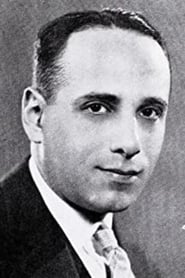
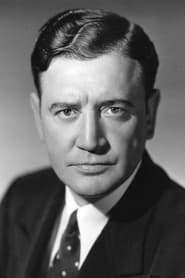
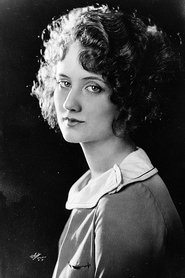
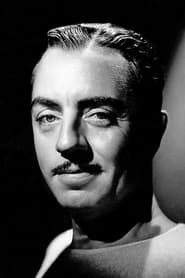
The production of 'Too Many Kisses' took place during a transitional period in Hollywood when studios were experimenting with new technologies. Director Paul Sloane, who had been an actor in the 1910s, brought an actor's perspective to his direction, focusing heavily on character development through visual storytelling. The casting of Richard Dix was strategic, as he was one of Paramount's most reliable leading men, known for his ability to blend comedy with dramatic moments. William Powell, who would later become famous for his sophisticated comedic timing, was still developing his screen persona in this film. The production design was particularly elaborate, with the art department creating detailed Spanish village sets that included authentic props imported from Spain. The film featured several scenes with synchronized sound effects using Lee De Forest's Phonofilm process in select theaters, making it part of the early transition toward sound cinema. The chemistry between Dix and Howard was considered so strong that Paramount considered pairing them for future projects, though Howard's impending marriage to Samuel Goldwyn ended her acting career.
What critics said
Trade and newspaper notices for Too Many Kisses generally emphasized casting, spectacle, and program fit rather than extended aesthetic argument. Retrospective screenings and archival notes continue to shape how viewers evaluate Too Many Kisses today.
Did you know?
- This was one of William Powell's early film roles before he became a major star in the 1930s, showcasing his versatility even in silent films.
- The film featured an early appearance by Myrna Loy in a small, uncredited role as a Spanish dancer, before her breakthrough to stardom.
- The 'kissite' mineral mentioned in the plot was entirely fictional, created specifically for the film's storyline.
- Richard Dix was one of Paramount's top stars in the mid-1920s, commanding a salary of $2,000 per week for this production.
- The film's title was considered somewhat risqué for 1925, playing on the era's fascination with romance and physical affection in cinema.
- Director Paul Sloane was a former actor who transitioned to directing, making this one of his early directorial efforts.
- The film was released with both color tinted sequences and black-and-white prints, a common practice for major productions of the era.
- Frances Howard, who played the female lead, retired from acting shortly after this film to marry producer Samuel Goldwyn.
- The Spanish police chief character was one of the first film roles to feature the 'corrupt authority figure' trope that would become common in adventure films.
- The film's promotional campaign emphasized its exotic Spanish setting, even though most scenes were shot on Hollywood backlots.
Visual style
The cinematography of 'Too Many Kisses' was handled by James Wong Howe, who would later become one of Hollywood's most celebrated cinematographers. Howe employed the techniques common to mid-1920s filmmaking, including soft focus for romantic scenes and dramatic lighting for moments of conflict. The film utilized the new panchromatic film stock that was becoming standard in 1925, offering better tonal reproduction and more natural skin tones than the earlier orthochromatic film. The Spanish village sequences featured extensive use of natural lighting effects, with carefully planned shooting schedules to maximize the quality of outdoor scenes. Howe's work on the film demonstrated his early mastery of contrast and shadow, techniques that would become hallmarks of his later style. The film also featured several night scenes that used innovative lighting techniques for the period, including the use of arc lights to simulate moonlight. The cinematography effectively supported the film's narrative shifts between comedy and drama through visual style changes.
Innovations
While 'Too Many Kisses' was not a film technically, it incorporated several innovations that were cutting-edge for 1925. The film utilized panchromatic film stock throughout, which was still relatively new and offered superior image quality compared to the older orthochromatic film. Some prints featured hand-tinted color sequences, particularly for the Spanish village scenes, adding visual appeal to key moments. The production experimented with early sound synchronization using the Phonofilm process in select theaters, placing it among the transitional films that bridged the silent and sound eras. The set design employed forced perspective techniques to create the illusion of larger Spanish village spaces within the confines of studio sets. The film also made use of the new Mitchell camera, which offered improved mobility and smoother movement compared to earlier cameras. The lighting setups were particularly sophisticated for the time, using multiple light sources to create more naturalistic effects than the flat lighting common in earlier films.
Music
As a silent film, 'Too Many Kisses' did not have a recorded soundtrack but would have been accompanied by live musical performance in theaters. The typical presentation would have featured a theater organist or small orchestra playing music adapted to the on-screen action. The score likely incorporated popular songs of the era as well as Spanish-themed musical pieces to complement the film's setting. Some theaters presenting the film used the Phonofilm system for synchronized sound effects in key scenes, making it one of the early experiments in partial sound cinema. The musical accompaniment would have followed the standard practice of the era, with romantic scenes underscored by lush melodies, comedic moments accompanied by lighter music, and adventure sequences featuring more dramatic compositions. The film's title suggested the possibility of using popular love songs of the period as part of the accompaniment. The transition to sound was just beginning in 1925, and films like this represented the final stages of pure silent cinema before the 'talkies' revolution.
Famous quotes
Elmer J. Fudd: 'A kiss in every corner of the world? Father, you don't know me very well!'
Police Chief: 'In this village, we have our own way of dealing with American meddlers.'
Elmer J. Fudd: 'I came here for minerals, but I think I've found something much more valuable.'
Memorable scenes
- The opening sequence showing Elmer J. Fudd's chaotic New York lifestyle with multiple girlfriends, establishing his playboy character through rapid montage and physical comedy.
- Elmer's arrival in the Spanish village, where his American arrogance immediately clashes with local customs, creating culture shock humor.
- The climactic confrontation scene where Elmer discovers the police chief's secret mining operation, combining action elements with comedic timing.
- The romantic balcony scene where Elmer attempts to woo the local woman using American charm that fails to translate in the Spanish context.
- The final chase sequence through the village streets, showcasing elaborate stunt work and the film's adventure elements.
What audiences thought
Audience reception in 1925 appears to have been solid, with the film performing respectably at the box office, particularly in urban areas where Richard Dix was a popular star. The film's exotic Spanish setting and romantic elements appealed to the typical moviegoing audience of the mid-1920s, who sought escapist entertainment during the prosperous Roaring Twenties. The blend of adventure and comedy proved popular with both male and female viewers, a key demographic consideration for studio programmers. While the film didn't generate the level of excitement that major blockbusters like 'The Big Parade' (1925) did, it satisfied audiences looking for light entertainment. Contemporary theater reports indicated that the film played well in second-run theaters and was often paired with short subjects or newsreels to create a complete program. The film's title itself generated some buzz, as it was considered somewhat suggestive for the time, adding to its appeal among younger audiences.
Film connections
Influenced by
- The Sheik (1921) - for its exotic romance elements
- Robin Hood (1922) - for its adventure storytelling structure
- The Ten Commandments (1923) - for its epic production values
- The Covered Wagon (1923) - for its location storytelling approach
This film influenced
- The Love Parade (1929) - similar romantic comedy elements
- The Vagabond King (1930) - exotic adventure romance
- The Merry Widow (1934) - sophisticated romantic comedy
Film restoration
Unfortunately, 'Too Many Kisses' is considered a partially lost film. Only fragments and reels survive in various film archives, including the Library of Congress and the UCLA Film & Television Archive. Approximately 30-40 minutes of footage exists, but the complete film is not available for viewing. The surviving elements include some key scenes and the film's opening sequence, but significant portions, including parts of the climax, are missing. The existing footage has been preserved on safety film and digitized for archival purposes. Some still photographs and production materials survive, providing documentation of the film's appearance and content. The incomplete preservation status is typical for silent films of this era, with an estimated 75% of silent films considered lost.
Where to watch
- Due to its lost/partially lost status, 'Too Many Kisses' is not commercially available for viewing. The surviving fragments can be accessed through film archives and specialized silent film research institutions. Occasionally, film preservation organizations or silent film societies may screen the existing footage during special events or retrospectives. The Library of Congress maintains some elements in their collection, accessible to qualified researchers. Film historians and scholars may view the surviving material through archival channels by appointment. No home video releases or streaming services currently offer this film due to its incomplete preservation status.