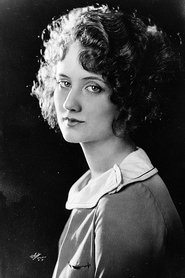
Frances Howard
Actor
Born: June 4, 1903 in Chicago, Illinois, USA Died: March 2, 1976 Active: 1925-1925 Birth Name: Frances Howard McCoy
Films
2 films
About Frances Howard
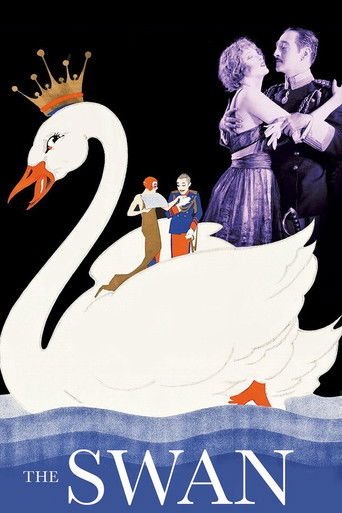
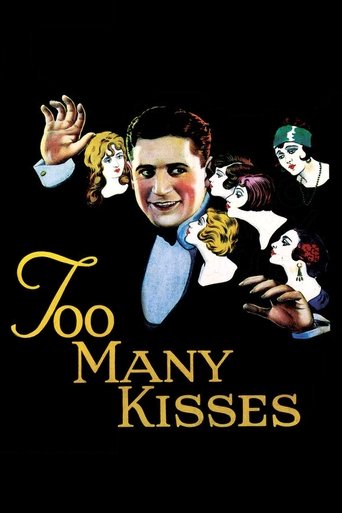
American actress who rose to prominence during the silent film era of the 1920s, though her career was notably brief but impactful. Born into a wealthy Chicago family, she entered the film industry against her parents' wishes and quickly secured roles in prestigious productions. Her most notable performances came in 1925 with appearances in 'The Swan' starring Adolphe Menjou and 'Too Many Kisses' with Richard Dix, showcasing her ability to portray sophisticated society women. Howard's acting style embodied the elegance and refinement characteristic of the era's leading ladies, with a particular talent for conveying emotion through subtle gestures and expressions essential to silent film performance. Her career came to an abrupt end in 1925 when she married film producer Samuel Goldwyn, after which she retired from acting to focus on her role as a Hollywood hostess and philanthropist. Despite her brief film career, Howard on Hollywood society, becoming and respected figures in Golden Age Hollywood circles. She spent the remainder of her life supporting her husband's career and engaging in extensive charitable work, particularly in support of the arts and education.
The Craft
On Screen
Frances Howard embodied the sophisticated, aristocratic style popular in 1920s cinema, specializing in portraying elegant society women with grace and refinement. Her technique relied heavily on subtle facial expressions and controlled gestures, perfectly suited to the demands of silent film performance. Howard possessed a natural poise and screen presence that allowed her to command attention without dialogue, using her eyes and body language to convey complex emotions. Critics noted her ability to balance vulnerability with strength in her performances, creating memorable characters despite the limitations of the silent medium.
Milestones
- Film debut in 'The Swan' (1925) opposite Adolphe Menjou
- Starred in 'Too Many Kisses' (1925) with Richard Dix
- Married film producer Samuel Goldwyn in 1925, effectively ending her acting career
- Became one of Hollywood's most prominent society hostesses
- Established herself as a major philanthropist in the entertainment industry
Best Known For
Iconic Roles
Must-See Films
Accolades
Special Recognition
- Hollywood Walk of Fame star (as part of Samuel Goldwyn's star)
- Honorary recognition from various film preservation societies
- Philanthropic awards for her charitable work in the arts
Working Relationships
Worked Often With
Studios
Why They Matter
Impact on Culture
Frances Howard's impact on cinema was less about her on-screen performances and more about her role as a Hollywood power broker and cultural influencer during the Golden Age. As Samuel Goldwyn's wife, she became. Her sophisticated salons and gatherings brought together the most creative minds in Hollywood, fostering collaboration and artistic exchange. Howard's transition from actress to influential Hollywood hostess represented a common path for women of her era who used marriage to industry leaders as a means of maintaining influence in a male-dominated field. Her philanthropic efforts, particularly in supporting film preservation and arts education, helped ensure that the legacy of Golden Age Hollywood would be preserved for future generations.
Lasting Legacy
Frances Howard's legacy extends far beyond her brief film career, encompassing her significant contributions to Hollywood culture and philanthropy. She is remembered as. Her marriage to Samuel Goldwyn created one of Hollywood's most powerful couples, and her role as a cultural ambassador helped legitimize Hollywood's place in American high society. Through her son Samuel Goldwyn Jr., her influence continued into later generations of Hollywood filmmaking. Howard's life story represents the transition from the silent era's glamour to the more established studio system, and her ability to adapt and maintain influence throughout these changes demonstrates her remarkable social and cultural acumen.
Who They Inspired
Frances Howard influenced Hollywood primarily through her role as a tastemaker and social connector, using her position to promote artistic excellence and support emerging talent. Her sophisticated approach to Hollywood entertaining set a standard for industry social events that lasted for decades. Many young actresses looked to her as a model of how to navigate Hollywood society with grace and dignity. Her philanthropic work, particularly in supporting arts education, influenced subsequent generations of Hollywood benefactors. Howard demonstrated how women could maintain significant influence in the film industry even when not actively working in front of the camera, paving the way for other Hollywood power brokers and behind-the-scenes influencers.
Off Screen
Frances Howard was born into the prominent McCoy family of Chicago and received an elite education before pursuing acting against her family's wishes. Her life changed dramatically in 1925 when she met and married Samuel Goldwyn, one of Hollywood's most powerful producers, effectively ending her brief acting career. The marriage lasted until Goldwyn's death in 1974, making them one of Hollywood's longest-lasting couples. Howard became renowned for her role as a Hollywood hostess, entertaining the industry's elite at the Goldwyn estate and becoming. She was deeply involved in philanthropic work, particularly supporting the arts, education, and medical research, continuing her charitable activities well into her later years.
Education
Attended prestigious finishing schools in Chicago and New York; studied drama and elocution privately
Family
- Samuel Goldwyn (1925-1974)
Did You Know?
- She appeared in only two films before retiring from acting after her marriage
- Her father was a wealthy Chicago businessman who initially opposed her acting career
- She met Samuel Goldwyn at a Hollywood party in 1925 and married him after a whirlwind courtship
- The Goldwyn estate became famous for its lavish parties hosted by Frances
- She was fluent in French and often entertained European dignitaries and filmmakers
- Her son Samuel Goldwyn Jr. Became a successful film producer, continuing the family legacy
- She was known for her extensive collection of art and antiques
- Howard maintained lifelong friendships with many of Hollywood's biggest stars
- She was instrumental in establishing several film preservation programs
- Despite her wealth, she was known for her modest personal lifestyle and extensive charitable giving
In Their Own Words
I found my real role not in front of the camera, but in supporting the art of filmmaking from behind the scenes.
Hollywood is not just about making pictures; it's about creating a culture of excellence and generosity.
The greatest privilege of my life has been supporting the dreams of artists who bring stories to life.
Frequently Asked Questions
Who was Frances Howard?
Screen credits include two notable films in 1925 before marrying producer Samuel Goldwyn and retiring from acting. She became one of Hollywood's most influential society figures and philanthropists during the Golden Age.
What films is Frances Howard best known for?
Titles linked here include The Swan (1925), Too Many Kisses (1925).
When was Frances Howard born and when did she die?
Born June 4, 1903; died March 2, 1976.
What awards did Frances Howard win?
While Frances Howard did not receive acting awards due to her brief career, she was recognized for her philanthropic work and contributions to Hollywood culture, including honorary mentions from film preservation societies.
What was Frances Howard's acting style?
Frances Howard specialized in portraying elegant society women with grace and refinement, using subtle facial expressions and controlled gestures perfect for silent film performance. She embodied the sophisticated aristocratic style popular in 1920s cinema.
How did Frances Howard impact Hollywood beyond acting?
Beyond her brief acting career, Howard became one of Hollywood's most influential society hostesses and philanthropists, using her position as Samuel Goldwyn's wife to support the arts, education, and film preservation while shaping Hollywood's cultural landscape.