
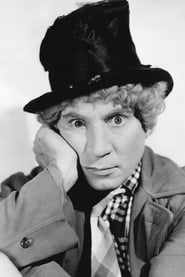
Harpo Marx
Actor
Born: November 23, 1888 in New York City, New York, USA Died: September 28, 1964 Active: 1910-1964 Birth Name: Adolph Marx (later Arthur Marx)
Films
4 films
About Harpo Marx
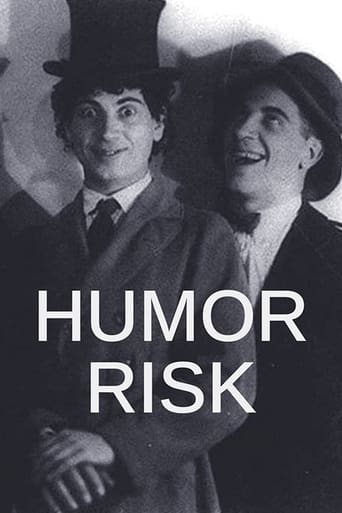
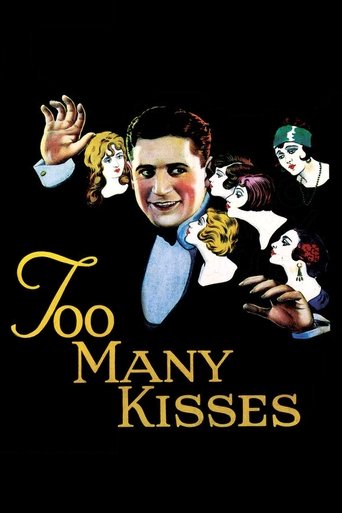
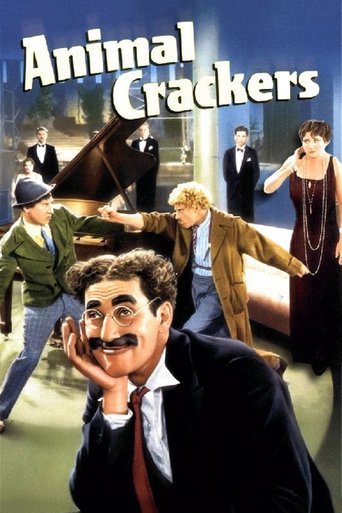
Harpo Marx, born Adolph Marx, was one of the Marx Brothers comedy team who revolutionized American comedy in the 20th century. He began his career in vaudeville with his brothers in the early 1900s, developing his signature silent character who communicated through pantomime, horn honking, and harp playing. His film career began with the lost silent film Humor Risk (1921) and Too Many Kisses (1925), leading to their Broadway success and transition to talking pictures with The Cocoanuts (1929). Throughout the 1930s, Harpo became beloved for his chaotic, childlike innocence and masterful physical comedy in classics like Animal Crackers, Duck Soup, and A Night at the Opera. Despite never speaking on screen, his expressive face, wild red wig, and relentless pursuit of mayhem made him one of cinema's most distinctive comedians. After the Marx Brothers' film career wound down in the late 1940s, Harpo continued performing on television and wrote his autobiography in 1961. His unique blend of musical talent and comedic genius created an enduring legacy that influenced generations of physical comedians and silent performers.
The Craft
On Screen
Harpo Marx developed a unique silent comedy style characterized by exaggerated physical gestures, expressive facial contortions, and childlike innocence. His character never spoke on screen, communicating instead through pantomime, honking a taxi horn, and playing his harp. He specialized in chaotic chase scenes, elaborate sight gags, and surreal visual comedy that often involved props appearing and disappearing magically. His performances combined elements of vaudeville slapstick with more sophisticated physical comedy, creating a character that was simultaneously anarchic and endearing.
Milestones
- Film debut in Humor Risk (1921)
- Broadway debut in I'll Say She Is (1924)
- First talking picture The Cocoanuts (1929)
- Classic film Duck Soup (1933)
- MGM contract with Marx Brothers (1935-1941)
- Published autobiography Harpo Speaks! (1961)
- Final film appearance in The Story of Mankind (1957)
Best Known For
Iconic Roles
Must-See Films
Accolades
Won
- Academy Honorary Award (shared with Marx Brothers) (1974)
- Hollywood Walk of Fame Star (1960)
Special Recognition
- Inducted into the International Comedy Hall of Fame
- Honorary Doctorate of Fine Arts from University of Wisconsin (1963)
- Marx Brothers received special Academy Award for their contribution to cinema comedy (1974, posthumously)
Working Relationships
Worked Often With
Studios
Why They Matter
Impact on Culture
Harpo Marx revolutionized silent comedy within the sound era, proving that a character could thrive without dialogue in talking pictures. His unique blend of musical talent and physical comedy created a new archetype for the musical clown in cinema. The Marx Brothers' anarchic style challenged Hollywood conventions and paved the way for more subversive comedy in American film. Harpo's harp performances introduced classical music to mass audiences in an accessible, entertaining way. His character's childlike innocence and non-verbal communication transcended language barriers, making the Marx Brothers popular internationally. The visual comedy techniques he pioneered continue to influence modern comedy, from sketch shows to feature films.
Lasting Legacy
Harpo Marx's legacy endures through his timeless film performances and his influence on generations of comedians. His signature character remains one of cinema's most recognizable and beloved comic creations. The Marx Brothers' films are regularly studied in film schools for their innovative comedy techniques and their challenge to Hollywood narrative conventions. Harpo's autobiography 'Harpo Speaks!' became a classic of entertainment literature, offering insights into early 20th century American entertainment. His harp playing inspired many musicians to take up the instrument, and his comedic style influenced performers from Charlie Chaplin to modern physical comedians. The character he created represents pure, joyful anarchy that continues to resonate with audiences decades after his death.
Who They Inspired
Harpo Marx directly influenced physical comedians including Buster Keaton (who praised his timing), Jerry Lewis (who cited his character work), and Rowan Atkinson (whose Mr. Bean character shares similar silent comedy techniques). The Marx Brothers' surreal comedy style influenced groups like Monty Python and The Firesign Theatre. His approach to visual gags and prop comedy can be seen in the work of modern comedians like Jim Carrey and Sacha Baron Cohen. The concept of the silent character in sound films influenced performers like Marcel Marceau and even modern animated characters. His harp playing helped popularize the instrument in American entertainment, inspiring musicians ranging from Harpo's own imitators to serious classical performers.
Off Screen
Harpo Marx married actress Susan Fleming in 1936, adopting four children together: William, Jimmy, Minnie, and Alex. He was known for his gentle, kind personality off-screen, contrasting sharply with his chaotic on-screen persona. Despite his lack of formal education, he was an avid reader and maintained friendships with intellectuals and artists including Alexander Woollcott and members of the Algonquin Round Table. His home life was remarkably stable and domestic, and he was devoted to his family until his death from heart surgery complications at age 75.
Education
Left school after second grade to help support his family, largely self-educated through extensive reading
Family
- Susan Fleming (1936-1964)
Did You Know?
- Originally named Adolph, he changed his name to Arthur during WWI due to anti-German sentiment
- Never spoke a line in any Marx Brothers film, though he did speak in other productions
- Taught himself to play the harp by watching others and developing his own unique style
- His trademark horn honking came from a taxi horn he bought and kept in his coat pocket
- Was an accomplished chess player who regularly played with Alexander Alekhine
- His red wig was originally dyed green but appeared red on black-and-white film
- Was the only Marx Brother to adopt children
- Served as a secret courier during World War II, delivering messages behind enemy lines
- His autobiography 'Harpo Speaks!' revealed his friendships with literary figures and intellectuals
- Could play the harp behind his back and with his teeth
- Was known for his elaborate practical jokes, including once replacing a friend's elevator with a fake one
- Spoke fluent French and conversational Russian despite limited formal education
- The film Humor Risk (1921) is considered lost, with no known copies existing
In Their Own Words
(On why he never spoke in films) 'I was a talkative kid, and my mother told me if I didn't shut up, they'd cut my tongue out. I never believed her until I got into the movies and found out I couldn't talk'
(On his harp playing) 'I don't play the harp well, but I play it loud'
(On comedy) 'I'm a clown. What can I tell you? I'm a clown. I'm an idiot. I'm a jerk. I'm a moron. I'm a nut. I'm a screwball. I'm a silly person'
(On his character) 'I'm the sweet one. I'm the one who gets kissed by the girls'
(On his brothers) 'We were the original dysfunctional family. We just happened to be funny'
Frequently Asked Questions
Who was Harpo Marx?
Harpo Marx was one of the famous Marx Brothers comedy team, known for his silent, harp-playing character who never spoke on screen. He excelled in physical comedy and pantomime, appearing in classic films like Duck Soup and A Night at the Opera from the 1920s through the 1940s.
What films is Harpo Marx best known for?
Titles linked here include Duck Soup (1933), A Night at the Opera (1935).
When was Harpo Marx born and when did he die?
Born November 23, 1888; died September 28, 1964.
What awards did Harpo Marx win?
Harpo Marx received a Hollywood Walk of Fame star in 1960 and, along with his brothers, was posthumously honored with an Academy Honorary Award in 1974 for their unique contribution to the art of motion picture comedy. He also received an honorary doctorate from the University of Wisconsin in 1963.
What was Harpo Marx's acting style?
Harpo Marx developed a unique silent comedy style characterized by exaggerated physical gestures, pantomime, and visual gags. His character never spoke on screen, instead communicating through facial expressions, honking a taxi horn, and playing his harp. He specialized in chaotic chase scenes and surreal visual comedy that combined vaudeville slapstick with sophisticated physical comedy techniques.