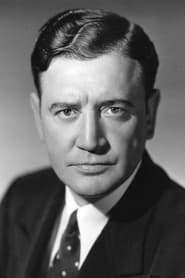
Richard Dix
Actor
Born: July 18, 1893 in St. Paul, Minnesota, USA Died: September 20, 1949 Active: 1917-1947 Birth Name: Ernest Carlton Brimmer
Films
9 films
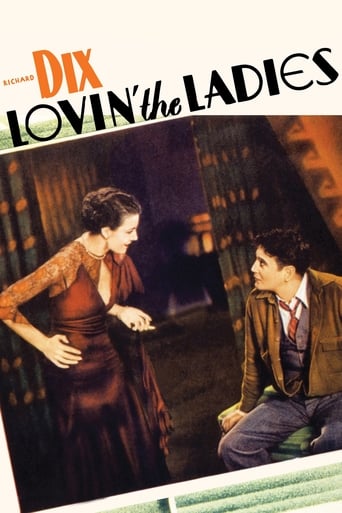
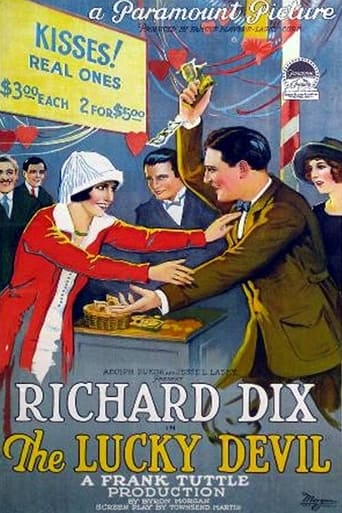
About Richard Dix
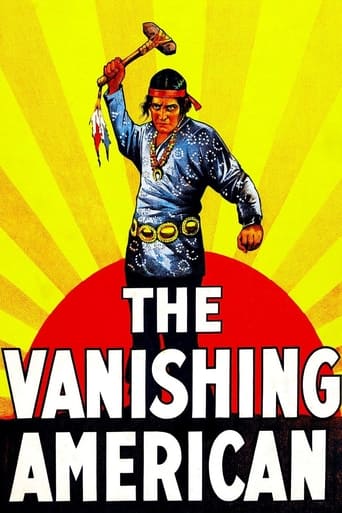
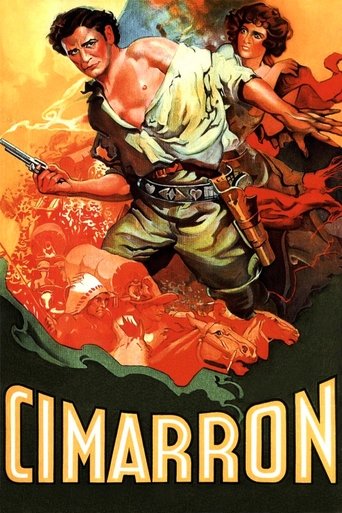
Richard Dix (born Ernest Carlton Brimmer) was prominent leading men of the silent era and early sound period, known for his rugged, masculine presence and intense acting style. Beginning his career after serving in World War I, Dix quickly rose to stardom at Paramount Pictures in the early 1920s, becoming one of the studio's top box office draws. His breakthrough came with films like 'The Ten Commandments' (1923) and 'The Vanishing American' (1925), where he portrayed strong, determined characters that resonated with audiences. Dix successfully transitioned to sound films, earning an Academy Award nomination for Best Actor for his role in 'Cimarron' (1931), which became one of his most celebrated performances. Throughout the 1930s, he continued to star in numerous films, often playing Western heroes or dramatic leads, though his star power gradually waned as newer actors emerged. Despite facing career challenges in later years, Dix remained a respected figure in Hollywood until his retirement in the mid-1940s. His legacy endures as a representative of the transition from silent to sound cinema, embodying the classic Hollywood leading man archetype of his era.
The Craft
On Screen
Richard Dix was known for his intense, masculine acting style characterized by strong physical presence and emotional depth. His performances often featured a commanding screen presence with a tendency toward dramatic, sometimes over-the-top expressions typical of the silent era. In sound films, he adapted his style to incorporate more naturalistic delivery while maintaining his trademark intensity and gravitas. Dix excelled at playing determined, often troubled protagonists who faced significant moral or physical challenges.
Milestones
- Starred in Cecil B. DeMille's 'The Ten Commandments' (1923)
- Received Academy Award nomination for 'Cimarron' (1931)
- Became Paramount's top male star in the 1920s
- Successfully transitioned from silent to sound films
- Starred in the popular 'Whistler' film series in the 1940s
Best Known For
Iconic Roles
Must-See Films
Accolades
Won
- Academy Award nomination for Best Actor for 'Cimarron' (1931)
Nominated
- Academy Award for Best Actor - 'Cimarron' (1931)
Special Recognition
- Hollywood Walk of Fame star at 1620 Vine Street
- One of Paramount Pictures' biggest stars of the 1920s
Working Relationships
Worked Often With
Studios
Why They Matter
Impact on Culture
Richard Dix represented the quintessential American leading man of the 1920s and 1930s, embodying the rugged individualism and moral complexity that characterized Hollywood's Golden Age. His successful transition from silent films to talkies demonstrated the adaptability required of early film stars, while his Academy Award-nominated performance in 'Cimarron' helped establish the prestige of the early sound era. Dix's portrayal of Native American characters, while sometimes problematic by modern standards, reflected the era's fascination with the American frontier and its mythologization. His later work in film noir, particularly the Whistler series, contributed to the development of that genre's atmospheric style and psychological complexity.
Lasting Legacy
Richard Dix remains an important figure in cinema history as a bridge between the silent and sound eras. His Oscar-nominated performance in 'Cimarron' stands as one of the early defining roles of the sound period, while his extensive filmography provides a valuable record of Hollywood's evolution during the 1920s-1940s. The Whistler film series, in which he starred, has become cult classics among film noir enthusiasts. Dix's career trajectory from major leading man to character actor illustrates the changing nature of stardom in Hollywood's studio system era.
Who They Inspired
Dix influenced subsequent generations of actors through his demonstrated ability to adapt to changing cinematic technologies and audience tastes. His intense, physical acting style paved the way for later action stars and dramatic leads. His success in both silent and sound films provided a model for other actors facing the challenging transition period of the late 1920s. The Whistler series he starred in influenced later psychological thriller and mystery film formats.
Off Screen
Richard Dix was married twice and had three children. His first marriage to Winifred Coe ended in divorce in 1931. He later married Virginia Webster in 1934, with whom he remained until his death. Dix was known for his professionalism on set and was generally well-liked by colleagues, though he struggled with alcoholism in his later years. He was an avid outdoorsman and enjoyed hunting and fishing when not filming. After retiring from acting, Dix invested in real estate and business ventures. He died of a heart attack at age 56 in Los Angeles.
Education
Attended the University of Minnesota before leaving to pursue acting career
Family
- Winifred Coe (1924-1931)
- Virginia Webster (1934-1949)
Did You Know?
- His real name was Ernest Carlton Brimmer, taking 'Dix' from his father's nickname 'The Colonel'
- He served in the U.S. Army during World War I before beginning his acting career
- Was one of the highest-paid actors in Hollywood during the late 1920s
- His performance in 'Cimarron' (1931) earned him the first-ever Best Actor nomination for RKO Pictures
- Despite being typecast as a Western hero, he was actually born and raised in Minnesota
- He was an accomplished pilot and owned several private aircraft
- His son Robert Dix also became an actor, appearing in numerous films and television shows
- The Whistler film series (1944-1948) were among Columbia Pictures' most profitable B-movies
- He was known to perform many of his own stunts, despite the dangers involved
- His star on the Hollywood Walk of Fame was dedicated in 1960, over a decade after his death
In Their Own Words
Acting is not just about saying lines, it's about becoming the character and living their truth on screen.
The transition from silent to sound wasn't as difficult for me as it was for others. I always believed the voice was just another tool in the actor's toolkit.
Hollywood can make you a star overnight, but it takes years of hard work to stay one.
I've played heroes and villains, but I've always tried to find the humanity in every character.
Frequently Asked Questions
Who was Richard Dix?
Prominent American with credits in this catalog. He was one of Paramount Pictures' biggest stars in the 1920s and received an Academy Award nomination for his role in 'Cimarron' (1931).
What films is Richard Dix best known for?
Titles linked here include Cimarron (1931), The Vanishing American (1925).
When was Richard Dix born and when did he die?
Born July 18, 1893; died September 20, 1949.
What awards did Richard Dix win?
Richard Dix received an Academy Award nomination for Best Actor for his performance in 'Cimarron' (1931). He also has a star on the Hollywood Walk of Fame and was.
What was Richard Dix's acting style?
Richard Dix was known for his intense, masculine acting style characterized by strong physical presence and emotional depth. He excelled at playing determined protagonists and adapted well from the exaggerated style of silent films to more naturalistic performances in talkies.
How did Richard Dix transition from silent to sound films?
Richard Dix successfully transitioned from silent to sound films, unlike many of his contemporaries. His powerful voice and dramatic intensity served him well in talkies, with his performance in 'Cimarron' (1931) marking his peak in the sound era.
What was Richard Dix's legacy in cinema?
Richard Dix's legacy lies in his role as a bridge between the silent and sound eras of Hollywood. His career demonstrates the adaptability required of early film stars, and his work in both epic productions and film noir has secured his place in classic cinema history.