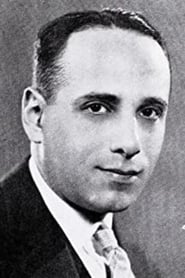
Paul Sloane
Director
Born: April 16, 1893 in New York City, New York, USA Died: November 17, 1963 Active: 1925-1930
Films
5 films

About Paul Sloane
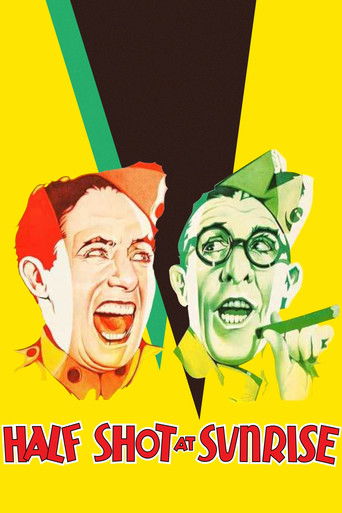
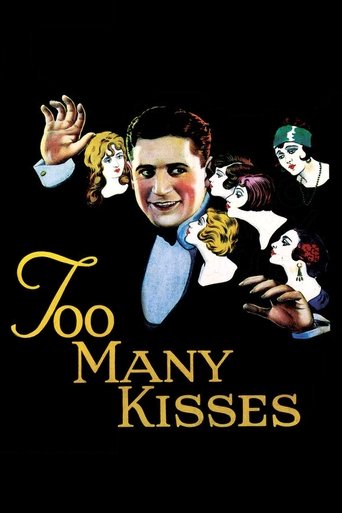
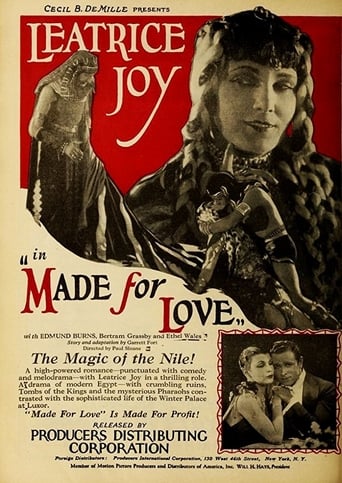
American film director who worked during the transition from silent films to early talkies in Hollywood. He began his directorial career in the mid-1920s, establishing himself with comedies and romantic features that showcased the talents of popular stars of the era. His 1925 film 'Too Many Kisses' was notable for being one of Richard Dix's early starring vehicles and demonstrated Sloane's ability to handle sophisticated comedy. He continued his success with 'Made for Love' in 1926, further cementing his reputation for directing light entertainment. His career reached another peak with 'Half Shot at Sunrise' in 1930, a comedy starring the popular duo Wheeler & Woolsey, which successfully navigated the challenges of early sound production. Despite his promising start and several successful films, Sloane's directing career was relatively brief, spanning roughly five years during one of Hollywood's most transformative periods. After his directorial work, he transitioned to other roles within the film industry, though his specific later activities are not well documented.
The Craft
Behind the Camera
Paul Sloane's directing style was characterized by his proficiency in handling comedy and light romantic entertainment during the silent era and early sound period. He demonstrated a particular talent for working with established comedy teams and stars, bringing out their natural comedic timing while maintaining the visual storytelling requirements of silent cinema. His approach to direction was efficient and commercially oriented, focusing on delivering entertainment that appealed to mainstream audiences of the 1920s. In his transition to sound films, Sloane showed adaptability in managing the technical challenges of early sound recording while preserving the comedic elements that made his silent films successful.
Milestones
- Directed 'Too Many Kisses' (1925) starring Richard Dix
- Directed 'Made for Love' (1926)
- Directed 'Half Shot at Sunrise' (1930) with Wheeler & Woolsey
- Successfully transitioned from silent to sound films
- Worked during Hollywood's transitional period
Best Known For
Must-See Films
Working Relationships
Worked Often With
Studios
Why They Matter
Impact on Culture
Paul Sloane represents the generation of directors who worked during one of cinema's most pivotal transitions - the shift from silent films to sound. His films, particularly 'Half Shot at Sunrise,' captured the essence of early sound comedy and helped establish the template for talking picture entertainment. While not as well-remembered as some of his contemporaries, his work contributed to the development of comedy genres in early sound cinema. His ability to successfully navigate the technical and artistic challenges of early sound filmmaking demonstrated the adaptability required of directors during this transformative period in Hollywood history.
Lasting Legacy
Paul Sloane's legacy lies primarily in his contribution to early sound comedy and his role as a transitional filmmaker during Hollywood's most dramatic technological shift. His films serve as historical artifacts that document the evolution of cinematic comedy from silent to sound. While his directing career was brief, it spanned a crucial period that saw the complete transformation of the film industry. His work with popular comedy teams like Wheeler & Woolsey helped establish their careers and contributed to the development of the comedy duo format that would become a staple of Hollywood entertainment.
Who They Inspired
While specific details about directors influenced by Paul Sloane are not well documented, his work in early sound comedy contributed to the broader development of the genre. His successful transition from silent to sound filmmaking demonstrated techniques that other directors would adopt in navigating the challenges of early sound technology. His films with comedy teams helped establish patterns and approaches that would influence subsequent comedy directors working with similar pairings.
Off Screen
Paul Sloane was born in New York City in 1893 and pursued a career in Hollywood during the golden age of silent cinema. He was part of the generation of filmmakers who navigated the dramatic transition from silent films to talkies in the late 1920s. After his directing career ended in the early 1930s, he remained in the film industry in various capacities. He passed away in Los Angeles in 1963 at the age of 70, having witnessed the complete transformation of Hollywood from its silent beginnings to the modern studio system.
Education
Limited information available about his formal education
Family
- Pauline Garon (1925-1929)
Did You Know?
- His marriage to actress Pauline Garon coincided with his most active directing period
- His film 'Too Many Kisses' (1925) featured an early starring role for Richard Dix
- His final directed film 'Half Shot at Sunrise' was one of the early successes for the comedy team Wheeler & Woolsey
- He directed films during the exact period when Hollywood was transitioning from silent to sound pictures
- His entire directing active years covered only five years but covered one of cinema's most transformative decades
- His filmography consists primarily of comedies and light romantic entertainment
- He worked primarily with Paramount Pictures during his directing career
- His films are now considered valuable examples of early sound comedy techniques
In Their Own Words
No well-documented famous quotes from Paul Sloane are available in historical records
Frequently Asked Questions
Who was Paul Sloane?
American on YTB.my. He directed several comedies and romantic films, including 'Too Many Kisses,' 'Made for Love,' and 'Half Shot at Sunrise,' working with popular stars of the era like Richard Dix and the comedy team Wheeler & Woolsey.
What films is Paul Sloane best known for?
Titles linked here include Too Many Kisses (1925), Made for Love (1926).
When was Paul Sloane born and when did he die?
Born April 16, 1893; died November 17, 1963.
What awards did Paul Sloane win?
There are no documented major awards or nominations for Paul Sloane's directing work. His films were commercially successful during their time but did not receive significant formal recognition from award bodies.
What was Paul Sloane's directing style?
Paul Sloane's directing style focused on comedy and light entertainment, demonstrating skill in working with comedy teams and stars during the transition from silent to sound films. He was efficient in his approach and adept at handling the technical challenges of early sound production while maintaining visual storytelling.
Why was Paul Sloane's directing career so short?
Paul Sloane's directing active years covered only five years (1925-1930), coinciding with Hollywood's difficult transition from silent to sound films. While he successfully made this transition himself, many directors from this period found their careers disrupted by the massive technological and artistic changes occurring in the industry.
Did Paul Sloane work with any famous actors?
Yes, Paul Sloane worked with several notable stars of his era, including Richard Dix in 'Too Many Kisses,' and the popular comedy team of Bert Wheeler and Robert Woolsey in 'Half Shot at Sunrise.' He was also married to actress Pauline Garon during his most active period.