

Made for Love
"An archaeologist prefers bones to his visiting lover."
Keys: Space play/pause · ←/→ 10s · F fullscreen · M mute · </> speed
About this film
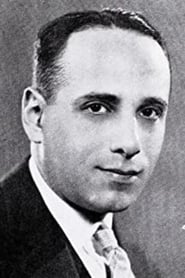
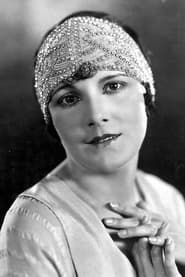
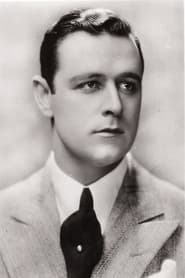
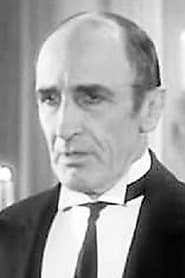
A young woman visits her boyfriend, an archaeologist, at the site in Egypt where he is digging up ancient artifacts. Her frustration mounts when it appears that he is more interested in old bones and mummies than he is in the fact that she's traveled thousands of miles to see him.
Cast & crew
More films like this
More Drama films
View all →







More from Paul Sloane
View all →

More about this film
About the production
Release dateOctober 10, 1926
ProductionProducers Distributing Corporation
Filmed inHollywood, California, Studio sets designed to resemble Egyptian excavation sites
The film was produced during the golden age of silent cinema and featured elaborate Egyptian set designs that were popular in the 1920s following the discovery of Tutankhamun's tomb in 1922. The production utilized studio backlots to create convincing Egyptian archaeological settings, complete with replica tombs, artifacts, and excavation equipment. Director Paul Sloane, who was transitioning from acting to directing, brought his understanding of screen performance to guide the cast through the emotional nuances required for silent storytelling.
Themes
Romantic competitionWork-life balanceCultural fascination with ancient EgyptGender roles in the 1920sAcademic obsession vs. personal relationships
Themes & topics
archaeologyEgyptromantic triangleexcavationmummiesancient artifactscompetitionobsessionneglectdiscoveryromancedrama
Historical background
Made for Love (1926) reached screens through Producers Distributing Corporation. Exhibitors of the time built silent-era bills that mixed shorts, features, and live acts, so a clear premise helped Made for Love travel between cities and exchange markets.
Why this film matters
Archivists and revival programmers still cite Made for Love (1926) when tracing studio habits, casting pools, and the visual rhetoric audiences once took for granted. Even modest surviving prints help map how Made for Love fit beside competing releases of its day.
Making of
The production of Made for Love took place during a fascinating period in Hollywood history when studios were racing to capitalize on the public's fascination with ancient Egypt. The film was shot on the newly expanded backlots of Hollywood studios, where massive Egyptian sets had been constructed following the tremendous success of other Egyptian-themed films. Director Paul Sloane, still relatively new to directing, worked closely with cinematographer James Wong Howe to create atmospheric lighting that enhanced the mysterious quality of the archaeological setting. The cast faced challenges performing romantic scenes in heavy period costumes under hot studio lights, a common difficulty in silent film production. The film's romantic tension was heightened through careful blocking and the use of props, as actors had to convey complex emotions without dialogue. The production team consulted with Egyptologists to ensure authenticity in the archaeological equipment and artifacts depicted, though some dramatic liberties were taken for cinematic effect.
What critics said
Trade coverage around 1926 discussed Made for Love for pacing, clarity, and program fit rather than blockbuster grosses. Later writers value it as evidence of period style and as a reference point beside other films from the same era.
Did you know?
- the production was released during the peak of Egyptomania in America, fueled by the 1922 discovery of King Tutankhamun's tomb by Howard Carter
- Director Paul Sloane was primarily known as an actor before transitioning to directing, with this being one of his early directorial efforts
- The film's title 'Made for Love' was a common phrase used in romantic melodramas of the silent era
- Leatrice Joy was one of the highest-paid actresses of the 1920s and had recently left her contract with Cecil B. DeMille to work as a freelance actress
- The archaeological dig sets were so elaborate that they were reused in several other productions with Egyptian themes
- the production was one of the last productions of the Producers Distributing Corporation before the company merged with others to form RKO Pictures
- The film's intertitles were written by prominent screenwriter June Mathis, who was known for her work on Rudolph Valentino films
- Brandon Hurst, who plays one of the suitors, was a veteran character actor who specialized in villainous roles in silent films
- The mummy prop used in the film was reportedly so realistic that it caused concern among some cast members during filming
- The film's release coincided with the beginning of the transition to sound in cinema, making it part of the last wave of major silent productions
Visual style
The cinematography of Made for Love was handled by James Wong Howe, who would become one of Hollywood's most celebrated cinematographers. The film featured innovative lighting techniques that created dramatic shadows and highlighted the mysterious atmosphere of the Egyptian setting. Howe employed low-key lighting to enhance the romantic tension and used careful composition to frame the actors against the elaborate set designs. The archaeological dig scenes utilized high-contrast lighting to create depth and emphasize the scale of the excavations. The cinematography made effective use of the limited color tinting available in the 1920s, with amber tones for daylight scenes and blue tints for night sequences, enhancing the film's visual appeal and emotional impact.
Innovations
Made for Love showcased several technical achievements typical of mid-1920s filmmaking, particularly in its set design and special effects. The film featured elaborate Egyptian sets that demonstrated the advanced construction techniques being developed by studio art departments. The archaeological dig sequences utilized practical effects to simulate excavation work, including carefully rigged falling debris and dust effects. The film's makeup department created convincing aging effects for the ancient artifacts and mummy props. The production also employed the latest camera movement techniques available at the time, including subtle tracking shots to follow characters through the archaeological site. The film's intertitles utilized sophisticated typography and artistic design that reflected the Egyptian theme, demonstrating the advanced state of title card design in silent cinema.
Music
As a silent film, Made for Love featured no recorded dialogue or synchronized music, but was accompanied by live musical performances in theaters. The original musical score was composed to enhance the film's romantic and mysterious elements, typically performed by theater organists or small orchestras. The music would have included popular romantic themes of the 1920s alongside original compositions specifically written for the film's key dramatic moments. The score likely incorporated exotic-sounding motifs to underscore the Egyptian setting, a common practice in films of this genre. The musical accompaniment was crucial to conveying the emotional nuances of the story, particularly during the romantic tension scenes and the film's climax.
Famous quotes
These ancient bones have waited three thousand years - can't our love wait a few more days?
You came halfway around the world for me, yet you look at these relics with more passion than you've ever shown me.
In the land of pharaohs and pyramids, I've discovered that the greatest treasure is standing right before me.
Memorable scenes
- The dramatic confrontation scene where the heroine finally confronts her archaeologist boyfriend about his neglect, set against the backdrop of a newly opened tomb
- The sequence where all three suitors simultaneously attempt to woo the heroine during a break in the excavation work, creating comedic tension
- The climactic scene inside the pyramid tomb where romantic tensions reach their peak and true feelings are revealed
What audiences thought
Audience reception to Made for Love in 1926 appears to have been moderately successful, particularly among fans of romantic dramas and Leatrice Joy's work. The film benefited from the public's ongoing fascination with Egyptian themes, which guaranteed a certain level of interest from moviegoers seeking exotic settings and romantic adventures. Contemporary newspaper advertisements emphasized the film's 'thrilling romantic complications' and 'mysterious Egyptian setting,' appealing to audiences looking for escapist entertainment. The film performed adequately in urban markets where Joy was particularly popular, though it didn't achieve the blockbuster status of some other releases from the same period. Audience letters to fan magazines of the era suggest that viewers appreciated the film's blend of romance, exotic location, and the relatable theme of competing for affection.
Film connections
Influenced by
- The Sheik (1921)
- The Ten Commandments (1923)
- The Thief of Bagdad (1924)
- Other Egyptian-themed films following Tutankhamun's discovery
This film influenced
- Later romantic dramas set in exotic locations
- Films featuring archaeologists as protagonists
- Romantic competition films of the late silent era
Film restoration
Made for Love (1926) is considered a lost film, with no known complete copies surviving in any film archives or private collections. Only fragments of the film are believed to exist, and these have not been made publicly available. The loss of the production is representative of the alarming rate of silent film deterioration, with an estimated 75% of all American silent films considered lost. The film's disappearance is particularly unfortunate given its documentation of Leatrice Joy's work during her peak years and its representation of 1920s Egyptian-themed cinema. Film preservation organizations continue to search for missing films like Made for Love in hopes that complete copies may yet be discovered in international archives or private collections.
Where to watch
- Unfortunately, Made for Love (1926) is not available for viewing as it is considered a lost film. No complete copies are known to exist in any film archives, museums, or private collections. Film enthusiasts interested in similar films from the era may want to seek out surviving works starring Leatrice Joy or other Egyptian-themed romantic dramas from the 1920s that are preserved in archives such as the Library of Congress, the Museum of Modern Art, or the UCLA Film & Television Archive.