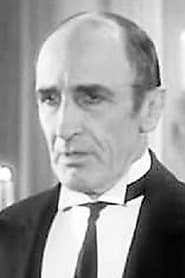
Brandon Hurst
Actor
Born: August 30, 1886 in London, England Died: July 15, 1947 Active: 1914-1947
Films
12 films
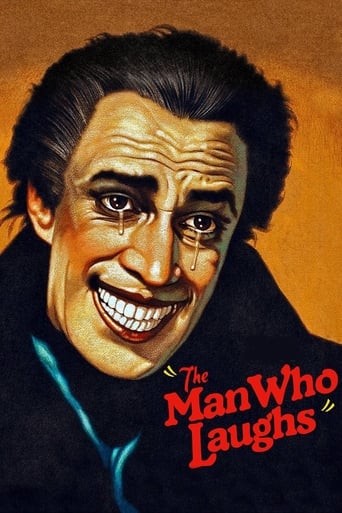

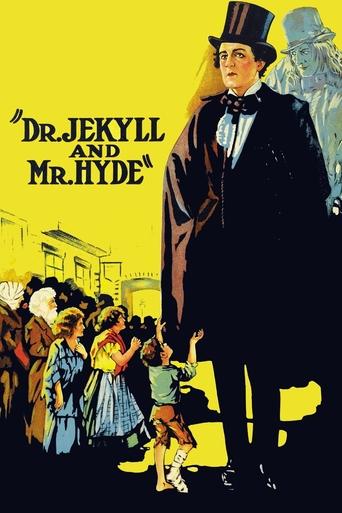
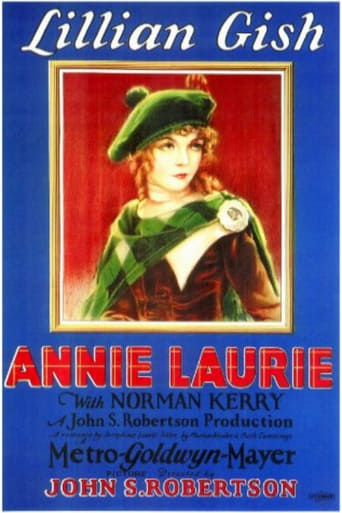
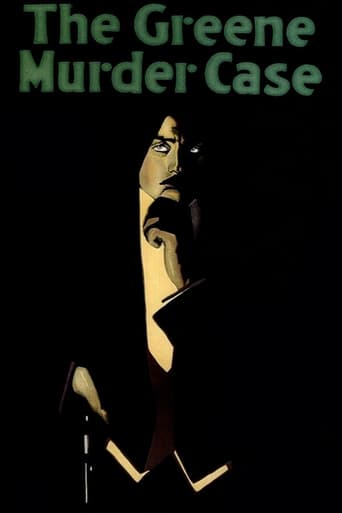
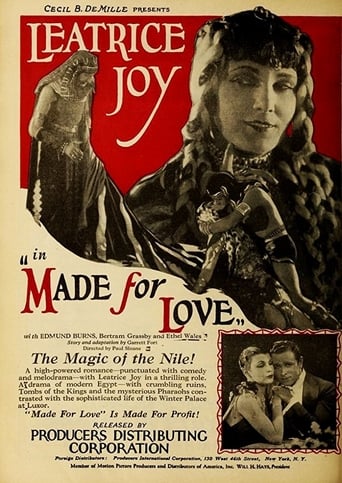
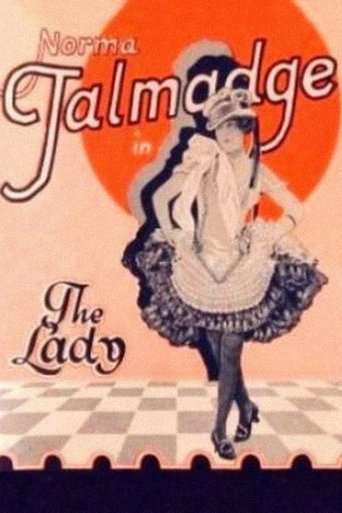
About Brandon Hurst
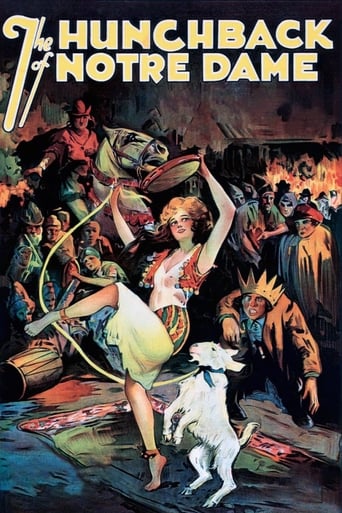
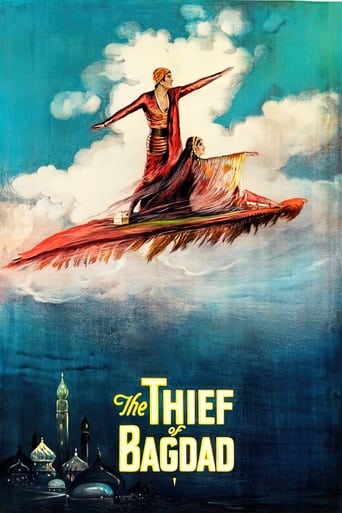
British character actor who achieved remarkable success in Hollywood during the silent film era and early sound period. Born in London, he began his career on the British stage before emigrating to the United States, where he transitioned to film work around 1914. Hurst quickly established himself as one of Hollywood's most reliable villain actors, known for his imposing presence, piercing eyes, and ability to convey menace through subtle gestures and expressions. He worked prolifically throughout the 1920s, appearing in dozens of major productions for leading studios including MGM, Universal, and First National. His most celebrated performances came in classic silent films like Dr. Jekyll and Mr. Hyde (1920) opposite John Barrymore, The Hunchback of Notre Dame (1923) with Lon Chaney, and The Thief of Bagdad (1924) starring Douglas Fairbanks. Hurst successfully made the transition to sound films, though his roles became increasingly smaller as he aged. He continued working steadily through the 1930s and early 1940s, appearing in supporting roles in numerous films until his death in 1947.
The Craft
On Screen
Hurst was known for his commanding screen presence and ability to portray villainy with nuance and sophistication. His acting style was rooted in classical stage training, characterized by precise gestures, intense facial expressions, and a powerful voice that served him well in both silent and sound films. He specialized in playing aristocratic villains, often portraying characters of wealth, power, and corruption with a distinctive blend of menace and refinement. Hurst's tall, imposing frame combined with his sharp features and piercing eyes made him particularly effective as an antagonist, capable of conveying threat through minimal movement. His technique emphasized psychological depth over melodramatic excess, bringing complexity to roles that could have been one-dimensional in lesser hands.
Milestones
- Breakthrough villain role in Dr. Jekyll and Mr. Hyde (1920)
- Memorable performance as Jehan in The Hunchback of Notre Dame (1923)
- Iconic role as The Grand Vizier in The Thief of Bagdad (1924)
- Significant supporting role in He Who Gets Slapped (1924)
- Successful transition to sound films in the late 1920s
- Prolific career with over 150 film appearances
- Worked with major stars including John Barrymore, Lon Chaney, and Douglas Fairbanks
Best Known For
Iconic Roles
Must-See Films
Working Relationships
Worked Often With
Studios
Why They Matter
Impact on Culture
Brandon Hurst made a significant contribution to the development of the character actor archetype in early Hollywood cinema. His consistent portrayals of sophisticated villains helped establish the template for antagonists in silent films, demonstrating that villainous roles could be played with intelligence and nuance rather than mere melodramatic excess. Hurst's work in major productions of the 1920s contributed to some of the most influential films of the silent era, and his successful transition to sound films demonstrated the importance of classical training for actors navigating the changing technology of cinema. His performances alongside legendary stars like John Barrymore and Lon Chaney helped create some of the most memorable character dynamics in silent film history.
Lasting Legacy
Brandon Hurst's legacy endures through his extensive body of work in classic cinema, particularly his contributions to the golden age of silent films. While not as widely remembered by name as some of his leading co-stars, his face and performances remain recognizable to classic film enthusiasts. Hurst represents the crucial role of the character actor in supporting the narrative and emotional impact of classic films, bringing depth and credibility to every role he undertook. His ability to portray villainy with sophistication helped elevate the quality of antagonistic characters in early cinema, influencing subsequent generations of character actors. The preservation of his films ensures that future generations can appreciate his craft and contribution to film history.
Who They Inspired
Hurst influenced the development of character acting in Hollywood by demonstrating the importance of bringing depth and intelligence to supporting roles. His sophisticated approach to villainy influenced how antagonists would be portrayed in subsequent decades, moving away from one-dimensional evil toward more complex and psychologically nuanced characters. Many character actors who followed in his footsteps adopted his approach of bringing theatrical training and classical technique to film performances. His successful career spanning both silent and sound eras also provided a model for actors navigating the technological changes in cinema during the 1920s and 1930s.
Off Screen
Brandon Hurst married actress Grace Goodall in 1915, and their marriage lasted until his death in 1947. The couple had one child together. Despite his prolific film career, Hurst maintained a relatively private personal life, rarely giving interviews or discussing his off-screen activities. He was known among his colleagues as a dedicated professional who took his craft seriously and was respected for his reliability and consistency on set. Hurst was also known to be well-read and maintained interests in literature and theater throughout his life.
Education
Trained in classical theater in London before beginning his professional acting career
Family
- Grace Goodall (1915-1947)
Did You Know?
- Was born in the same year as fellow character actor Dwight Frye, who would also become known for villainous roles
- Appeared in over 150 films during his career, though many are now lost
- Was particularly effective at playing aristocratic villains due to his tall, imposing stature and refined bearing
- Worked with three of the biggest stars of the silent era: John Barrymore, Lon Chaney, and Douglas Fairbanks
- His role as The Grand Vizier in The Thief of Bagdad featured one of his most memorable death scenes
- Despite being typecast as villains, was reportedly a kind and gentle person in real life
- Continued working even after being diagnosed with the illness that would eventually take his life
- His final film appearance was in the 1946 film 'The Verdict' starring Sydney Greenstreet
- Was one of the few British actors to achieve major success in Hollywood during the silent era
- His distinctive appearance made him a popular subject for film publicity stills and posters
In Their Own Words
(On playing villains) 'The villain is often the most interesting character in a story. He has reasons for what he does, even if those reasons are twisted.'
(On the transition to sound) 'The voice adds another dimension to the character, but the eyes still tell the story first.'
(On working with John Barrymore) 'To act opposite Barrymore was to learn something new every day. He excelled in his craft.'
Frequently Asked Questions
Who was Brandon Hurst?
British character with credits in this catalog.
What films is Brandon Hurst best known for?
Titles linked here include Dr. Jekyll and Mr. Hyde (1920), The Hunchback of Notre Dame (1923).
When was Brandon Hurst born and when did he die?
Born August 30, 1886; died July 15, 1947.
What awards did Brandon Hurst win?
Despite his prolific career and significant contributions to classic cinema, Brandon Hurst did not receive major awards or nominations during his lifetime, which was common for character actors of his era.
What was Brandon Hurst's acting style?
Hurst's acting style was characterized by classical training, precise movements, intense facial expressions, and a powerful voice that made him particularly effective at playing sophisticated villains with psychological depth and menace.