

The Thief of Bagdad
"Fairbanks leaps through Arabian nights"
Keys: Space play/pause · ←/→ 10s · F fullscreen · M mute · </> speed
About this film
Raoul Walsh and Douglas Fairbanks co-directed this 1924 United Artists adventure in which a thief in Bagdad competes with the Mongol prince Ahmed for Princess Zaida. Lavish sets by William Cameron Menzies and Fairbanks' athletic stunts made it one of the costliest silents of its day.
Cast & crew
More films like this
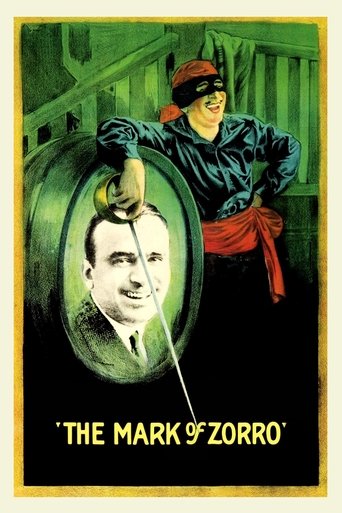

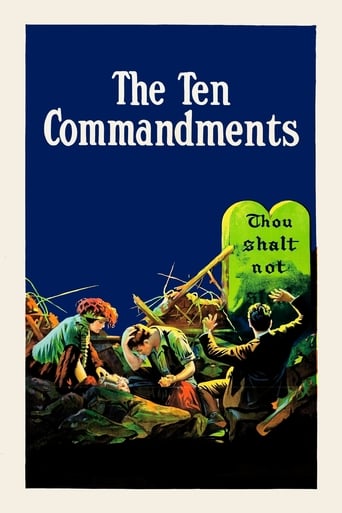
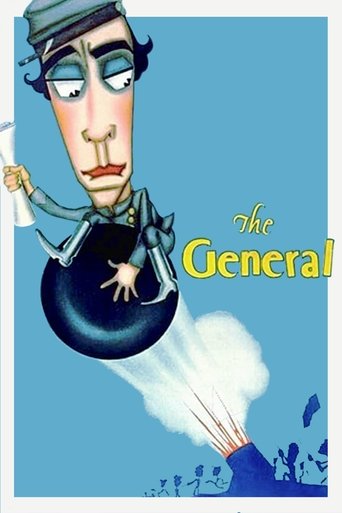
More Romance films
View all →

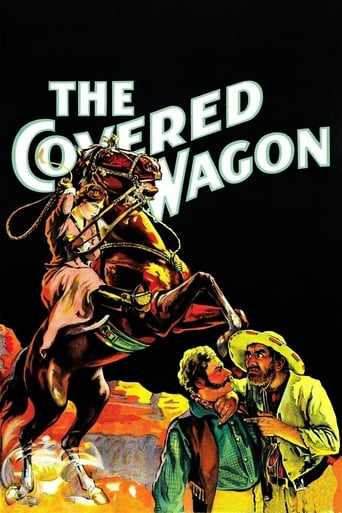



More from Raoul Walsh
View all →

More about this film
About the production
Release dateMarch 18, 1924 (premiered in Los Angeles)
Budget$1,135,654 (an enormous sum for 1924, equivalent to over $18 million today)
Box officeHighly successful, grossing approximately $2.5 million domestically and becoming one of the top-grossing films of 1924
ProductionDouglas Fairbanks Pictures Corporation, United Artists
Filmed inPickford-Fairbanks Studios, Hollywood, California, Bronson Canyon, Griffith Park, Los Angeles
The film featured some of the most elaborate and expensive sets ever constructed for a silent film, including a massive recreation of Bagdad that covered over 10 acres. The production employed over 3,000 extras and used notable special effects techniques including double exposure, matte paintings, and innovative camera tricks. Douglas Fairbanks personally oversaw every aspect of production and performed his own dangerous stunts, including the famous rope-climbing sequences and acrobatic feats that became his trademark.
Themes
Love transcending social classRedemption through heroic actionThe triumph of wit over powerThe nature of true nobilityEast-West cultural encounters
Themes & topics
Historical background
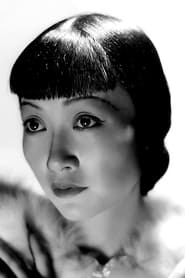
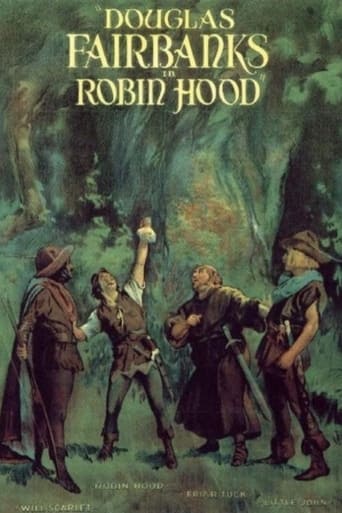
The Thief of Bagdad followed Fairbanks's Robin Hood and cemented his swashbuckler formula: fairy-tale exteriors, childlike heroism, and spectacle. Anna May Wong appears as the Mongol slave girl.
Why this film matters
'The Thief of Bagdad' is widely regarded as influential films in cinema history, establishing many conventions of the fantasy adventure genre that persist to this day. Its success demonstrated the commercial viability of big-budget fantasy films, paving the way for later epics like 'King Kong' and 'The Wizard of Oz'. The film's visual style, particularly its use of color tinting and elaborate set design, influenced countless subsequent productions. Douglas Fairbanks' athletic performance created the archetype of the swashbuckling hero that would be emulated by actors from Errol Flynn to Johnny Depp. The film's themes of social mobility and the triumph of the common man resonated with audiences during the Jazz Age and continue to speak to contemporary viewers. Its influence extends beyond cinema to literature, comic books, and video games, with many modern fantasy works drawing inspiration from its visual vocabulary and narrative structure.
Making of
The production of 'The Thief of Bagdad' was ambitious undertakings of the silent era. Douglas Fairbanks, who was not only the star but also the driving creative force behind the project, spent years developing the concept and assembling the perfect team. Director Raoul Walsh was brought in for his dynamic visual style, though Fairbanks maintained creative control throughout. The special effects team, led by William Cameron Menzies, pioneered numerous techniques that would become standard in the industry. The famous transformation scene where the Thief becomes a Prince used an innovative combination of dissolves and multiple exposures that took weeks to perfect. The production was plagued by numerous challenges, including set fires, costume malfunctions, and injuries to stunt performers, but Fairbanks' determination ensured the film's completion. The relationship between Fairbanks and Mary Pickford, who were married at the time, influenced the film's romantic elements, with Pickford reportedly providing input on the Princess's characterization and motivations.
What critics said
Press in 1924 celebrated the production design and Fairbanks' charm. Restored versions continue to draw praise for Menzies' fantasy architecture and Walsh's pacing.
Did you know?
- Douglas Fairbanks was so committed to authenticity that he studied Arabian culture and architecture extensively before production, even traveling to the Middle East for research.
- The film's famous flying carpet effect was achieved using a combination of glass shots, wires, and carefully angled camera work - revolutionary techniques for 1924.
- Fairbanks performed all his own stunts, including the dangerous rope-climbing sequence where he scales a sheer wall using only a rope and his physical strength.
- The production used over 10,000 individual props and costumes, many of which were handcrafted specifically for the film.
- The film was one of the first to use the Technicolor process for certain sequences, though most of the film was tinted in various colors to enhance mood and atmosphere.
- The massive Bagdad set was so impressive that it was kept standing for years and used in numerous other films before being dismantled.
- Fairbanks was so dedicated to the project that he postponed other films and invested much of his own money to ensure the production values met his vision.
- The film's success led to Fairbanks building his own studio, the Pickford-Fairbanks Studio, which became one of Hollywood's most prestigious production facilities.
- The Mongol Prince's costume and makeup took over four hours to apply each day and was so elaborate that the actor could barely move or speak between takes.
- The film's premiere was a major Hollywood event, attended by virtually every major star of the era and covered extensively by the press.
Awards & recognition
- Photoplay Magazine Medal of Honor (1924) -
- Motion Picture Magazine's Best Picture of 1924
Visual style
The cinematography, primarily by Arthur Edeson and William Marshall, was revolutionary for its time and remains impressive today. The film employed innovative camera techniques including dynamic tracking shots, dramatic low angles to emphasize Fairbanks' acrobatic abilities, and elaborate crane shots that captured the scope of the massive sets. The use of color tinting was particularly sophisticated, with different scenes bathed in carefully chosen colors to enhance mood - amber for daytime scenes, blue for night, and sepia for interior sequences. The special effects photography, including double exposures and matte paintings, created seamless illusions of magic and fantasy that were unprecedented in 1924. The famous flying carpet sequence used a combination of glass shots and carefully controlled camera movements that created a convincing illusion of flight. The cinematography also featured innovative use of light and shadow to create depth and atmosphere in the massive studio sets.
Innovations
The film was a showcase of cutting-edge film technology and techniques of its era. The special effects team pioneered several innovations that would become industry standards. The transformation sequences used sophisticated multiple exposure techniques that allowed for seamless magical effects. The flying carpet effect combined glass painting, wire work, and careful camera positioning to create a believable illusion of flight. The film's massive sets incorporated moving parts and mechanical elements that allowed for dynamic action sequences. The production also made extensive use of the Technicolor Process 2 for certain sequences, though most of the film was tinted using the more common stencil coloring process. The film's editing, by William Nolan and Paul Weatherwax, was particularly innovative for its time, using dynamic cutting and cross-cutting techniques to build suspense and excitement during action sequences. The sound effects, created mechanically in the theater, were carefully synchronized with the on-screen action to enhance the viewing experience.
Music
As a silent film, 'The Thief of Bagdad' was originally accompanied by a musical score compiled from classical pieces and original compositions. The suggested score included works by composers such as Borodin, Rimsky-Korsakov, and Tchaikovsky, chosen to complement the film's exotic setting and dramatic moments. Many theaters employed full orchestras for the film's run, reflecting its prestige and the importance of musical accompaniment to the silent film experience. The film's success led to the creation of a specially arranged orchestral score that was published for theater use. Modern restorations have featured newly commissioned scores by contemporary composers, including a highly regarded 1995 version by Carl Davis. These modern scores attempt to capture the spirit of the original while taking advantage of contemporary recording technology and orchestral resources.
Famous quotes
Happiness must be earned in this world!
I am a thief, but I love you!
A princess may not marry a thief!
Magic is only science we don't understand yet!
The world is my country, and to do good is my religion.
Memorable scenes
- The breathtaking rope-climbing sequence where the Thief scales the palace wall using only his strength and agility
- The magical flying carpet ride through the clouds, a early special effects sequence
- The transformation scene where the Thief magically becomes a Prince to win the Princess
- The elaborate Bagdad market sequence showcasing the film's massive sets and thousands of extras
- The final confrontation between the Thief and the Mongol Prince in the throne room
What audiences thought
The film was a massive popular success upon its release, breaking box office records across the country and running for months in many theaters. Audiences were particularly captivated by Fairbanks' athletic stunts and the film's spectacular visual effects. Contemporary audience reports describe standing ovations and multiple viewings by enthusiastic patrons. The film's success was international as well, with strong performances in Europe and Asia, where its exotic setting particularly resonated. Modern audiences continue to embrace the film at revival screenings and film festivals, with many expressing surprise at how engaging and technically impressive the film remains. The film has developed a cult following among silent film enthusiasts and is frequently cited by modern filmmakers as a source of inspiration. Its availability on home video and streaming platforms has introduced it to new generations, maintaining its status as a beloved classic.
Film connections
Influenced by
- Arabian Nights tales
- Earlier Douglas Fairbanks adventure films
- German expressionist cinema
- Literary Orientalism
- Shakespearean romance conventions
This film influenced
- The Thief of Bagdad (1940 remake)
- The Adventures of Robin Hood (1938)
- The Wizard of Oz (1939)
- Aladdin (1992 Disney film)
- The Princess Bride (1987)
- Pirates of the Caribbean series
Film restoration
The film is well-preserved with complete copies existing in major film archives including the Library of Congress, the Museum of Modern Art, and the UCLA Film & Television Archive. A major restoration was completed in the 1990s that returned the film to its original length and incorporated the original color tinting schemes. The restored version has been released on DVD and Blu-ray by The Criterion Collection, ensuring its availability for future generations. The film was selected for preservation in the United States National Film Registry in 1996, recognizing its cultural, historical, and aesthetic significance.
Where to watch
- The Criterion Collection (Blu-ray/DVD)
- The Criterion Channel (streaming)
- Kino Lorber (home video)
- Various classic film streaming services
- Film archives and museum screenings
- Public domain versions on YouTube (lower quality)