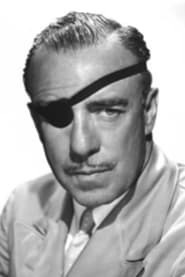
Raoul Walsh
Director
Born: March 11, 1887 in New York City, New York, USA Died: December 31, 1980 Active: 1915-1964 Birth Name: Raoul A. Walsh
Films
4 films

About Raoul Walsh
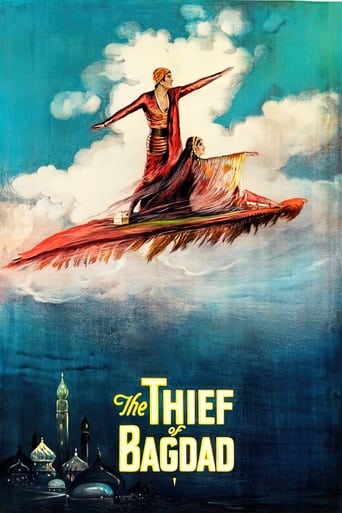
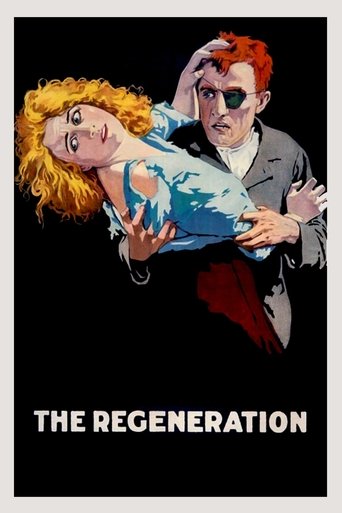
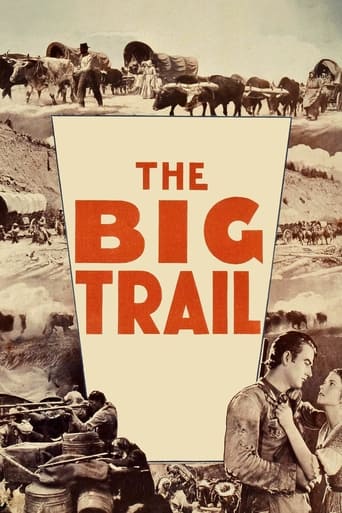
Raoul Walsh was one of Hollywood's most prolific and versatile directors, whose over five decades from the silent era through the golden age of Hollywood. Born in 1887, Walsh began his film career as an actor in D.W. Griffith's company before transitioning to directing in 1915. He quickly established himself excelled in action, adventure, and masculine genres, directing landmark films like 'The Thief of Bagdad' (1924) starring Douglas Fairbanks. Walsh's career flourished during the transition to sound, where he continued to excel in genres ranging from gangster films to westerns. He was responsible for launching John Wayne's stardom in 'The Big Trail' (1930) and directed James Cagney in some of his most roles. Despite losing an eye in a 1929 accident, Walsh continued directing well into the 1960s, completing over 140 films. His last film 'A Distant Trumpet' (1964) marked the end of an extraordinary career that helped shape American cinema's most enduring genres.
The Craft
Behind the Camera
Known for his dynamic, masculine, and action-oriented directing style, Walsh excelled at creating visceral, fast-paced sequences with strong male protagonists. His approach emphasized practical effects, location shooting, and authentic stunts, particularly in westerns and action films. Walsh was famous for his efficiency on set, often completing films ahead of schedule while maintaining high production values. His visual style incorporated sweeping camera movements and dramatic compositions that enhanced the physicality of his stories.
Milestones
- Directed 'The Thief of Bagdad' (1924), one of the greatest silent films
- Lost his eye in an accident during filming of 'In Old Arizona' (1929)
- Launched John Wayne's career with 'The Big Trail' (1930)
- Directed James Cagney in 'The Roaring Twenties' (1939) and 'White Heat' (1949)
- Directed Humphrey Bogart in 'High Sierra' (1941)
- Served as president of the Directors Guild of America
- Made over 140 films in his career
- Successfully transitioned from silent films to talkies
Best Known For
Must-See Films
Accolades
Won
- Directors Guild of America Lifetime Achievement Award (1968)
- Golden Globe Cecil B. DeMille Award (1969)
Nominated
- Academy Award for Best Director for 'In Old Arizona' (1929)
- Directors Guild of America Award for Outstanding Directorial Achievement for 'White Heat' (1949)
Special Recognition
- Star on Hollywood Walk of Fame (6522 Hollywood Blvd)
- Inducted into the Western Hall of Fame
- Retrospective at Museum of Modern Art (1973)
Working Relationships
Worked Often With
Studios
Why They Matter
Impact on Culture
Raoul Walsh's impact on American cinema is profound, particularly in shaping the conventions of action, western, and gangster films. His work helped establish the visual language and narrative structures that would define these genres for decades. Walsh's films often explored themes of masculinity, honor, and violence in ways that reflected and shaped American cultural values. His ability to work across different genres while maintaining a distinctive directorial voice influenced generations of filmmakers and contributed to the development of the Hollywood studio system's efficiency and quality standards.
Lasting Legacy
Raoul Walsh's legacy endures through his vast filmography and the genres he helped define. His influence can be seen in the work of directors like Howard Hawks, Sam Peckinpah, and Martin Scorsese, who adopted his dynamic approach to action and character development. Walsh's ability to launch and nurture the careers of major stars like John Wayne and James Cagney cemented his reputation as a director's director. Despite being less remembered today than some of his contemporaries, film scholars recognize Walsh as.
Who They Inspired
Walsh influenced countless directors through his efficient work methods and genre-defining films. His approach to action sequences and masculine storytelling became templates for later filmmakers. Directors like John Ford, Howard Hawks, and Sam Fuller drew inspiration from Walsh's visual style and narrative economy. His work with actors, particularly in creating tough, charismatic male characters, influenced generations of filmmakers working in westerns, gangster films, and action movies. Modern directors including Quentin Tarantino and Michael Mann have cited Walsh's films as influences on their work.
Off Screen
Raoul Walsh was married five times throughout his life and had two children. His first marriage was to actress Miriam Cooper in 1916, which ended in divorce in 1926. He later married Lillian Way in 1931, which also ended in divorce. His third marriage to actress Mary Harrington in 1936 lasted until her death in 1942. Walsh married actress Isabel Jewell in 1946, but this marriage was short-lived. His final marriage to Ann Sheridan in 1954 lasted until his death in 1980. Walsh was known for his colorful personality, love of gambling, and friendships with many Hollywood stars.
Education
Attended De La Salle Institute in New York, studied at Seton Hall College briefly before leaving to pursue acting career
Family
- Miriam Cooper (1916-1926)
- Lillian Way (1931-1936)
- Mary Harrington (1936-1942)
- Isabel Jewell (1946-1947)
- Ann Sheridan (1954-1980)
Did You Know?
- Lost his right eye in a rabbit hunting accident, which occurred while filming 'In Old Arizona' (1929)
- Wore an eye patch for the rest of his life, becoming one of Hollywood's most recognizable figures
- Served as a pilot in World War I before his film career took off
- Originally cast as the Cisco Kid in 'In Old Arizona' but had to be replaced after his accident
- Was one of the founding members of the Directors Guild of America
- Directed over 140 films, making him one of Hollywood's most prolific directors
- Gave John Wayne his first starring role in 'The Big Trail' (1930)
- Was known for his gambling habit and once lost his house in a poker game
- Worked as a gold prospector in Alaska before entering films
- His autobiography 'Each Man in His Time' was published in 1974
In Their Own Words
I'm not an artist, I'm a storyteller. I make pictures for people to enjoy.
The director is the only one who knows what the picture is about.
I never made a picture I didn't believe in, and I never made a picture I wasn't proud of.
Action is character. What a person does is what he is, not what he says.
In the old days, we made pictures for the public, not for the critics.
Frequently Asked Questions
Who was Raoul Walsh?
Prolific American on YTB.my. He was known for his work in westerns, gangster films, and action movies, helping to define these genres in Hollywood. Walsh also launched the careers of major stars like John Wayne and worked with legends including James Cagney, Humphrey Bogart, and Errol Flynn.
What films is Raoul Walsh best known for?
Titles linked here include The Thief of Bagdad (1924), What Price Glory (1926).
When was Raoul Walsh born and when did he die?
Born March 11, 1887; died December 31, 1980.
What happened to Raoul Walsh's eye?
Walsh lost his right eye in 1929 in a rabbit hunting accident while location scouting for 'In Old Arizona'. The accident forced him to withdraw from playing the lead role in the film, and he wore an eye patch for the remainder of his life, becoming one of Hollywood's most distinctive-looking directors.
What was Raoul Walsh's directing style?
Walsh was known for his dynamic, action-oriented directing style characterized by efficient storytelling, strong masculine protagonists, and visceral action sequences. He excelled at practical effects and location shooting, particularly in westerns and adventure films. His approach emphasized entertainment value and visual spectacle while maintaining narrative clarity and emotional impact.