
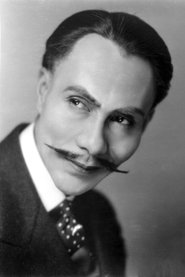
Sôjin Kamiyama
Actor
Born: January 30, 1884 in Sendai, Miyagi Prefecture, Japan Died: July 28, 1927 Active: 1924-1927 Birth Name: Sôjin Kamiyama (no known stage name variation)
Films
4 films


About Sôjin Kamiyama
Japanese actor who became one of the first Asian performers to achieve significant recognition in Hollywood during the silent film era. Born in Japan, he began his acting career in Japanese theater before moving to the United States in the early 1920s to pursue opportunities in American cinema. Kamiyama quickly established himself as a versatile character actor, often cast in roles that capitalized on his exotic appearance and dignified presence. His breakthrough came with his memorable performance as the Mongol Prince in Raoul Walsh's epic 'The Thief of Bagdad' (1924), starring Douglas Fairbanks. Throughout his brief but impactful Hollywood career from 1924 to 1927, he appeared in numerous films, typically playing villains, mysterious figures, or authority figures. Despite the limitations of typecasting common to Asian actors of his era, Kamiyama brought depth and dignity to his roles, avoiding caricature whenever possible. His career was cut short by his untimely death in 1927, but his contributions helped pave the way for future Asian actors in Western cinema.
The Craft
On Screen
Kamiyama was known for his commanding screen presence and dignified demeanor, which he maintained even when playing villainous roles. His acting style was rooted in traditional Japanese theater techniques, emphasizing controlled movements and expressive facial features that translated well to silent cinema. He brought authenticity to his roles through his understanding of both Eastern and Western performance traditions, allowing him to bridge cultural gaps on screen. Unlike many of his contemporaries, Kamiyama avoided exaggerated stereotypes and instead portrayed his characters with nuance and complexity, often infusing them with a sense of honor and intelligence.
Milestones
- Breakthrough role in 'The Thief of Bagdad' (1924)
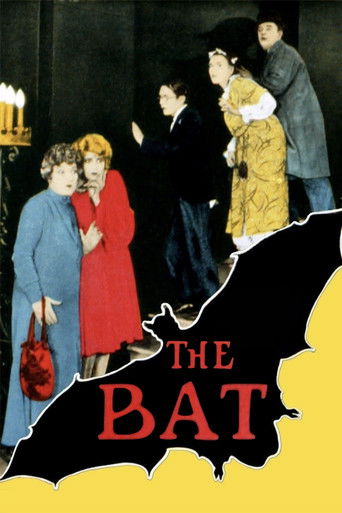
- Memorable performance as the Chinese detective in 'The Bat' (1926)
- Collaboration with Douglas Fairbanks in one of the greatest silent epics
- presence as one of the first successful Asian actors in Hollywood
- Established a template for Asian character actors in American cinema
Best Known For
Iconic Roles
Must-See Films
Accolades
Special Recognition
- Asian actor in Hollywood silent cinema
- Recognized in film history books as an important early Asian performer in Western films
Working Relationships
Worked Often With
Studios
Why They Matter
Impact on Culture
Sôjin Kamiyama's career represented a significant milestone in the representation of Asian actors in Hollywood, occurring during a period when most Asian roles were played by white actors in yellowface. His authentic presence and dignified performances challenged prevailing stereotypes and demonstrated the value of authentic casting. Kamiyama's success in major productions like 'The Thief of Bagdad' helped create opportunities for other Asian actors in Western cinema, though progress remained slow. His work contributed to the gradual recognition of Asian talent in Hollywood and set a precedent for the inclusion of authentic Asian voices in American filmmaking.
Lasting Legacy
Sôjin Kamiyama's legacy endures as that of a trailblazer who helped open doors for Asian representation in Hollywood during its formative years. Though his career was brief, his impact on the industry was significant, particularly in demonstrating that Asian actors could successfully portray complex characters beyond stereotypical roles. Film historians recognize him as an important figure in the history of Asian-American cinema, and his performances continue to be studied for their artistic merit and cultural significance. Kamiyama's work paved the way for future generations of Asian actors in Western cinema, from the early talkies through to contemporary Hollywood.
Who They Inspired
Kamiyama influenced subsequent generations of Asian actors by demonstrating that it was possible to maintain cultural authenticity while working within the Hollywood system. His dignified approach to character portrayal provided a model for actors seeking to avoid caricature and stereotype. Later Asian performers in Hollywood, including those in the 1930s and beyond, benefited from the groundwork he laid in establishing Asian actors as capable of playing complex, nuanced roles. His influence can be seen in the careers of later Asian-American actors who sought to bring authenticity and depth to their performances.
Off Screen
Sôjin Kamiyama was known to be a private individual who maintained strong connections to his Japanese heritage while working in Hollywood. He was respected by his colleagues for his professionalism and dedication to his craft, despite facing the racial prejudices common in the film industry during the 1920s. Kamiyama was married and had family in Japan, though details about his personal relationships remain scarce in historical records. His sudden death at the age of 43 cut short a promising career and left many wondering what greater contributions he might have made to cinema had he lived longer.
Education
Traditional Japanese theater training; specific educational institutions not documented in available sources
Family
- Unknown - records not available
Did You Know?
- One of the first Japanese actors to achieve significant success in Hollywood during the silent era
- His role in 'The Thief of Bagdad' was particularly notable as it was a major production starring Douglas Fairbanks
- Often typecast in villainous roles due to his exotic appearance, but brought dignity to these characters
- His death in 1927 coincided with the transition from silent films to talkies, cutting his career short
- Worked with some of the biggest stars of his era including Douglas Fairbanks and John Barrymore
- Despite his brief Hollywood career, appeared in over a dozen films between 1924 and 1927
- His authentic Japanese background was unusual for Asian actors in Hollywood at the time
- Maintained his Japanese citizenship throughout his Hollywood career
- His performances were praised for avoiding the exaggerated stereotypes common in the era
- Died at the relatively young age of 43, leaving many to wonder what his career might have become
In Their Own Words
No documented famous quotes from Sôjin Kamiyama are available in historical records, as was common for character actors of the silent era who rarely gave interviews
Frequently Asked Questions
Who was Sôjin Kamiyama?
Japanese with credits in this catalog. He was one of the first Asian actors to achieve significant recognition in American cinema, known for his dignified performances in films like 'The Thief of Bagdad' (1924) and 'The Bat' (1926).
What films is Sôjin Kamiyama best known for?
Titles linked here include The Thief of Bagdad (1924), The Bat (1926).
When was Sôjin Kamiyama born and when did he die?
Born January 30, 1884; died July 28, 1927.
What awards did Sôjin Kamiyama win?
Sôjin Kamiyama did not receive any major formal awards during his lifetime, as was common for character actors of the silent era. However, he is recognized in film history as a Asian actor who made significant contributions to early Hollywood cinema.
What was Sôjin Kamiyama's acting style?
Kamiyama's acting style combined traditional Japanese theater techniques with the demands of silent cinema. He was known for his commanding screen presence, dignified demeanor, and ability to bring nuance to stereotypical roles, avoiding caricature while maintaining authenticity in his performances.