
The Bat
"Masked bat stalks the rented mansion"
Keys: Space play/pause · ←/→ 10s · F fullscreen · M mute · </> speed
About this film
A bat-costumed killer stalks guests in a writer's rented mansion. Roland West's 1926 mystery thriller inspired later Old Dark House cinema.
Cast & crew
More films like this
More Comedy films
View all →







More from Roland West
View all →
More about this film
About the production
Release dateMarch 14, 1926
Budget$175,000
Box officeSuccessful but exact figures unknown
ProductionRoland West Productions, Feature Productions
Filmed inHollywood, California, Mack Sennett Studios
The film was based on the popular 1920 Broadway play by Mary Roberts Rinehart and Avery Hopwood. Director Roland West insisted on elaborate sets and practical effects to create the spooky atmosphere. The production used innovative lighting techniques to enhance the mystery and horror elements, including dramatic shadows and silhouettes.
Themes
Mystery and DetectionGreed and BetrayalAppearance vs. RealityJustice and RevengeFear and Suspense
Themes & topics
masked criminalmansionmystery writerhidden treasurecostumesuspensethiefmurderold dark housebat costume
Historical background
Released in 1926, The Bat belongs to the silent feature period and reflects production norms of its release season.
Why this film matters
The Bat contributes to understanding regional output and audience tastes around 1926.
Making of
The production of 'The Bat' was marked by Roland West's meticulous attention to detail and his background in stage direction. West, who had previously directed the stage version, brought theatrical techniques to the film, including carefully choreographed suspense sequences and dramatic lighting effects. The cast underwent extensive rehearsals, unusual for silent films, to perfect their timing and reactions. The famous bat costume was created through multiple iterations, with West personally supervising its design to ensure it was both terrifying and functional for the actor's movements. The film's most complex sequence involved The Bat's entrance through a second-story window, which required a specially constructed rig and multiple takes to achieve the desired effect.
What critics said
Review records for The Bat are typical of 1926: brief for shorts, more sustained for features.
Did you know?
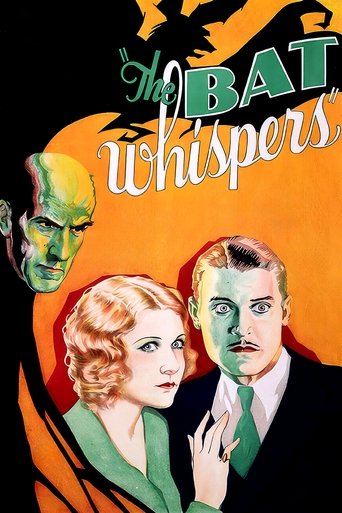
- The film was so successful that director Roland West remade it as a talkie in 1930 titled 'The Bat Whispers.'
- The Bat character is believed to have been an influence on Bob Kane's creation of Batman, though this is debated among comic historians.
- The film featured an early use of a 'thief's hook' device that became a staple in later mystery films.
- Director Roland West married actress Jewel Carmen, who appeared in the film, shortly after production.
- The original stage play ran for 867 performances on Broadway, making it a huge hit before the film adaptation.
- The film's elaborate mansion set was so expensive that it was reused in several other productions.
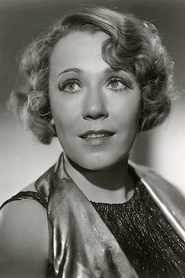
- Emily Fitzroy, who played the housekeeper Lizzie Allen, was a veteran stage actress in her 60s when she made the release.
- The Bat's costume design was revolutionary for its time, featuring articulated wings that could spread dramatically.
- The film was one of the first to use the 'old dark house' trope that would become popular in horror and mystery films.
- A scene where The Bat climbs the exterior of the house was performed by a stunt double using hidden wires.
Awards & recognition
- Photoplay Medal of Honor (1926) - Winner
Visual style
The cinematography by Arthur Edeson employed innovative techniques to create atmosphere and suspense. Edeson used dramatic low-key lighting and deep shadows to enhance the mystery elements, techniques that would become standard in film noir. The film featured elaborate camera movements for its time, including tracking shots that followed characters through the mansion's corridors. Special attention was paid to the lighting of The Bat's appearances, using backlighting and silhouettes to maximize the character's menacing presence. The cinematography also utilized practical lighting effects, such as lightning flashes and candlelight, to enhance the gothic atmosphere.
Innovations
The film featured innovative special effects for its time, including the design and execution of The Bat's costume with articulated wings. The production used sophisticated matte paintings to extend the mansion sets and create the illusion of larger spaces. The film's sound effects (created mechanically for theatrical presentation) included creaking doors, thunder, and other atmospheric elements. The climbing sequence where The Bat scales the house exterior used an early form of wire work that was groundbreaking for 1926. The film also employed advanced makeup techniques for creating The Bat's distinctive appearance.
Music
As a silent film, 'The Bat' would have been accompanied by live musical performances during its original theatrical run. The score was typically provided by a theater's organist or small orchestra, using compiled classical pieces and popular music of the era. Modern releases have featured newly composed scores by silent film music specialists, including recordings by the Mont Alto Motion Picture Orchestra. The original cue sheets suggested specific musical pieces for different scenes, emphasizing suspense with dramatic classical selections and using lighter melodies for comedic moments.
Famous quotes
The Bat! The Bat is here!" (shouted by characters during suspense scenes)
There's something evil in this house... something that walks in the night." (dialogue intertitle)
No one can escape The Bat once he marks them for his prey." (intertitle establishing the threat)
Memorable scenes
- The Bat's dramatic entrance through a second-story window, silhouetted against lightning
- The reveal scene where The Bat's identity is uncovered through a series of deductions
- The climactic confrontation in the mansion's secret room with hidden passages
- The sequence where The Bat scales the exterior wall using his grappling hook
- The discovery of the hidden bank money behind a loose brick in the fireplace
What audiences thought
The film was a box office success upon its release, drawing large audiences to its theatrical run. Moviegoers of the era were particularly captivated by the film's suspenseful sequences and the mysterious Bat character. The film's popularity led to numerous re-releases throughout the late 1920s. Modern audiences rediscovered the film through revival screenings and home video releases, with many appreciating its historical significance and entertainment value despite the limitations of silent film technology.
Film connections
Influenced by
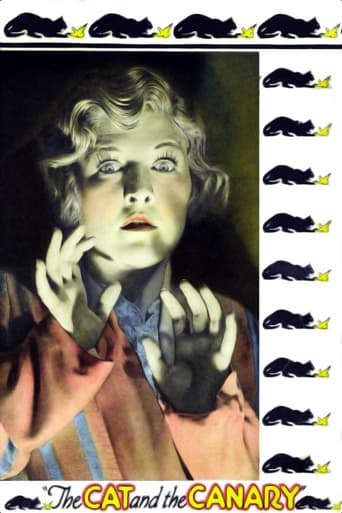
- The Cat and the Canary (1922 play)
- The Monster (1925 film)
- The Hound of the Baskervilles (novel)
- Mystery fiction of the 1920s
This film influenced
- The Bat Whispers (1930)
- The Old Dark House (1932)
- The Cat and the Canary (1927 and 1939 films)
- Batman comics (potential influence)
Film restoration
The film is preserved in the Library of Congress and has been restored by several film archives. A complete 35mm print exists at the UCLA Film and Television Archive. The film has been released on DVD and Blu-ray by several distributors, including Kino Lorber and Flicker Alley. The restoration work has preserved the original tints and toning used in the 1926 release.
Where to watch
- Available on DVD from Kino Classics
- Streaming on Amazon Prime Video
- Available on Blu-ray from Flicker Alley
- Can be viewed on YouTube through archive uploads
- Available on the Criterion Channel (periodically)