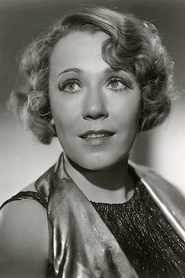
Louise Fazenda
Actor
Born: June 17, 1895 in Lafayette, Indiana, USA Died: April 17, 1962 Active: 1913-1939
Films
14 films

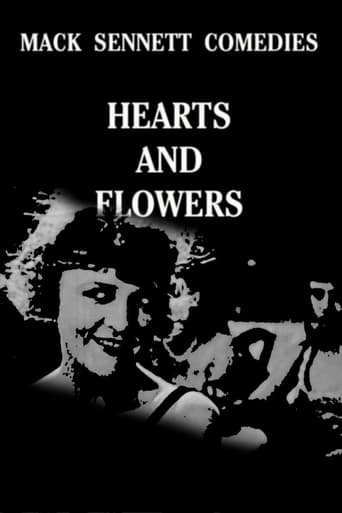
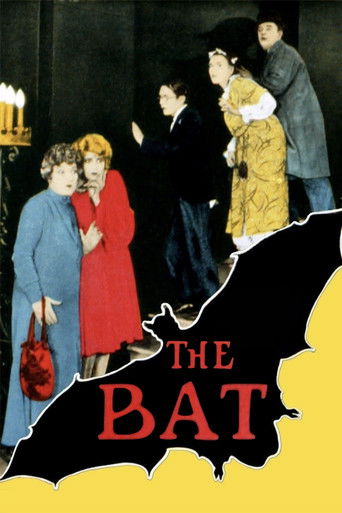

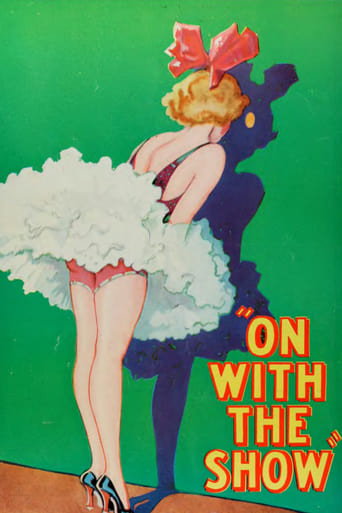

About Louise Fazenda
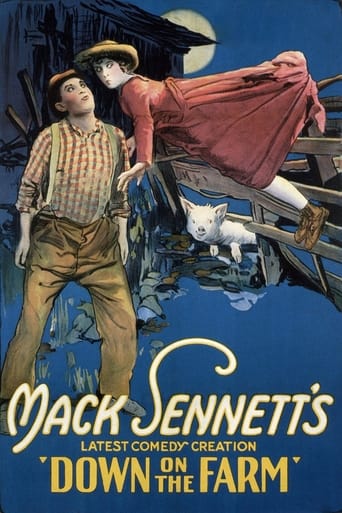
American comic actress who rose to fame during the silent film era as one of Mack Sennett's most reliable performers at Keystone Studios. Beginning her career after winning a beauty contest in 1913, she quickly transitioned from being one of Sennett's 'Bathing Beauties' to becoming a gifted comedienne known for her eccentric character portrayals. Over her prolific career spanning more than two decades, Fazenda appeared in over 250 films, mastering the art of physical comedy while creating memorable dowdy and quirky female characters that defied Hollywood's conventional beauty standards. Her distinctive gap-toothed smile and expressive face became her trademarks, allowing her to convey both humor and surprising depth in her performances. Fazenda successfully made the transition to sound films in the late 1920s, demonstrating her versatility beyond mere slapstick. In 1927, she married prominent film producer Hal Wallis, and while she continued acting through the 1930s, she gradually reduced her film work before retiring in 1939 to focus on her marriage and philanthropic endeavors. Her contributions to early comedy helped establish the template for female character actresses in Hollywood, proving that women could succeed in comedy without relying on traditional glamour.
The Craft
On Screen
Louise Fazenda was renowned for her exceptional physical comedy and character transformations, specializing in portraying eccentric, dowdy, or quirky women with remarkable authenticity. Her acting style combined broad slapstick elements with subtle facial expressions and mannerisms that could convey both humor and unexpected emotional depth. Unlike many comediennes of her era who relied on glamour, Fazenda embraced character roles that allowed her to showcase her versatility through distinctive costumes, makeup, and physical transformations. She possessed an innate ability to create fully realized comic personas through her expressive features, particularly her gap-toothed smile and animated eyes, which became her trademarks. Her approach to comedy was grounded in relatable human eccentricities rather than mere buffoonery, allowing audiences to connect with her characters despite their absurd situations.
Milestones
- Joined Mack Sennett's Keystone Studios in 1915, becoming one of his premier comic actresses
- Successfully transitioned from silent films to talkies in the late 1920s
- Appeared in over 250 films throughout her career
- Married producer Hal Wallis in 1927, forming one of Hollywood's most enduring partnerships
- Received a star on the Hollywood Walk of Fame for her contributions to motion pictures
Best Known For
Iconic Roles
Must-See Films
Accolades
Won
- Star on the Hollywood Walk of Fame (located at 6801 Hollywood Boulevard)
Special Recognition
- Hollywood Walk of Fame star for Motion Pictures
- Recognition as one of Keystone Studio's most valuable performers
- Honored by film historians as a female comedian
Working Relationships
Worked Often With
Studios
Why They Matter
Impact on Culture
Louise Fazenda's impact on cinema extends far beyond her prolific filmography, as she helped establish the template for female comedy performers in early Hollywood. At a time when actresses were primarily valued for their beauty and dramatic abilities, Fazenda proved that women could succeed in comedy through character work and physical humor rather than conventional attractiveness. Her success opened doors for future generations of character actresses who didn't fit the typical Hollywood beauty standards. By creating fully realized eccentric characters, she demonstrated that comedy could be both hilarious and emotionally resonant, influencing how female comic roles would be written and performed. Her seamless transition from silent films to talkies also helped pave the way for other silent-era stars to adapt to the new medium. Through her marriage to Hal Wallis, she also had indirect influence on some of Hollywood's most significant productions during the golden age.
Lasting Legacy
Louise Fazenda's lasting legacy in film history is that of a trailblazing comedienne who brought depth and humanity to comic roles during cinema's formative years. Her work represents an important chapter in the development of film comedy, particularly in demonstrating how character-driven humor could transcend the limitations of silent cinema. Film historians and scholars recognize her as. Her influence can be seen in subsequent generations of character actresses and comediennes who followed her path of succeeding through talent and personality rather than conventional beauty. The preservation of her films continues to provide insight into early 20th-century comedy techniques and the evolution of female representation in cinema. Her star on the Hollywood Walk of Fame ensures that her contributions to motion pictures are permanently recognized in the heart of the industry she helped shape.
Who They Inspired
Louise Fazenda influenced subsequent generations of performers by demonstrating that women could achieve lasting success in comedy through character work rather than relying on traditional beauty standards. Her approach to creating distinct, memorable comic personas through physicality, expression, and costume became a template for character actresses throughout Hollywood history. Comediennes from later eras, including Lucille Ball and Carol Burnett, built upon the foundation Fazenda helped establish by proving that women could be the primary source of humor in entertainment. Her success in both short subjects and feature films showed the versatility possible in comic acting, influencing how studios viewed and cast female comedians. The authenticity she brought to eccentric characters helped elevate comedy from mere slapstick to a more nuanced art form, affecting how comedy would be written and performed in subsequent decades. Her ability to transition successfully to sound films also provided a model for other silent-era stars facing the challenges of the new technology.
Off Screen
Louise Fazenda's personal life was marked by her enduring marriage to film producer Hal Wallis, one of Hollywood's most successful and influential producers. Their 1927 marriage lasted until her death in 1962, making it one of Hollywood's most stable relationships during the golden age. Despite her comic on-screen persona, Fazenda was known for her intelligence, business acumen, and sophisticated taste off-screen. She was a skilled horsewoman and often performed her own stunts, demonstrating her athletic abilities beyond just comedy. After retiring from films, she devoted herself to philanthropic work and supporting various charitable organizations in Hollywood. She was known for her generosity and often helped struggling actors and industry colleagues financially. Fazenda maintained a close circle of friends in Hollywood and was respected for her loyalty and discretion in an industry known for its transience.
Education
Limited formal education, trained through practical experience in the film industry starting with Mack Sennett's studio
Family
- Hal Wallis (1927-1962, until her death)
Did You Know?
- Began her film career after winning a beauty contest in 1913
- Was one of Mack Sennett's original 'Bathing Beauties' before transitioning to comedy
- Her distinctive gap-toothed smile became one of her most recognizable trademarks
- Appeared in more than 250 films during her 26-year career
- Often performed her own stunts, particularly horseback riding sequences
- Was a founding member of the Hollywood Women's Club
- Retired from films at the height of her career to focus on her marriage
- Known for her intelligence and business acumen despite her comic persona
- Maintained one of Hollywood's most stable marriages with Hal Wallis for 35 years
- Was known for her generosity and often supported struggling actors financially
- Could transform her appearance so completely that audiences often didn't recognize her from film to film
- Her comic timing was so precise that she could generate laughs with minimal dialogue
In Their Own Words
Comedy isn't about being pretty, it's about being funny
I'd rather make one person laugh than a thousand people cry
The best comedy comes from the truth, even if it's an absurd truth
Frequently Asked Questions
Who was Louise Fazenda?
Prominent American actress of the silent film era and early sound period, best known for her comic roles in Mack Sennett comedies and her ability to create memorable eccentric characters through physical comedy and distinctive characterizations.
What films is Louise Fazenda best known for?
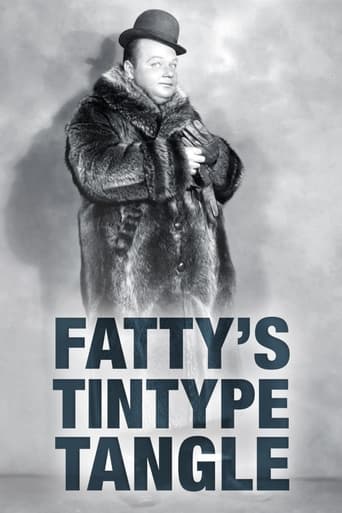
Titles linked here include Fatty's Tintype Tangle (1915), When Ambrose Dared Walrus (1915).
When was Louise Fazenda born and when did she die?
Born June 17, 1895; died April 17, 1962.
What awards did Louise Fazenda win?
While she didn't receive major competitive awards during her career, Louise Fazenda was honored with a star on the Hollywood Walk of Fame for her significant contributions to motion pictures and comedy.
What was Louise Fazenda's acting style?
Fazenda was known for her exceptional physical comedy and character transformations, specializing in portraying eccentric, dowdy, or quirky women with remarkable authenticity through expressive features, distinctive mannerisms, and her trademark gap-toothed smile.
How did Louise Fazenda influence cinema?
Fazenda influenced cinema by proving that women could succeed in comedy through character work rather than conventional beauty standards, helping establish the template for female comediennes and opening doors for future character actresses in Hollywood.
Who did Louise Fazenda marry?
Louise Fazenda married prominent film producer Hal Wallis in 1927, and their marriage lasted until her death in 1962, making it one of Hollywood's most enduring partnerships during the golden age.