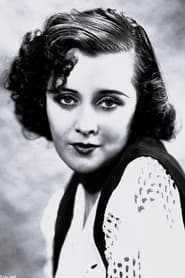
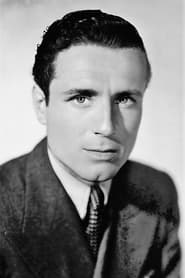
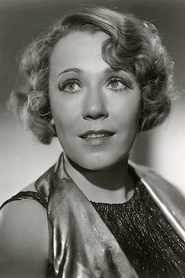
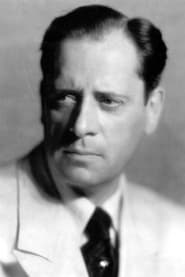
On With the Show!
"Phantom Sweetheart on the brink"
Keys: Space play/pause · ←/→ 10s · F fullscreen · M mute · </> speed
About this film
With unpaid actors and staff, the stage show Phantom Sweetheart seems doomed. To complicate matters, the box office takings have been robbed and the leading lady refuses to appear. Can the show be saved?
Cast & crew
More films like this
More Romance films
View all →




More from Alan Crosland
View all →


More about this film
About the production
Release dateJune 1929
Budget$400,000
Box office$1,200,000 (domestic)
ProductionWarner Bros., The Vitaphone Corporation
Filmed inWarner Brothers Studio, Burbank, California
This was Warner Bros.' first all-talking, all-color musical, using the Vitaphone sound-on-disc system and Technicolor's two-color process. The production faced significant challenges with the early sound technology, requiring actors to remain stationary near microphones hidden in set pieces. The Technicolor process was expensive and time-consuming, requiring special lighting and longer filming times. Several scenes had to be reshot due to technical difficulties with synchronizing sound and color.
Themes
Show business perseveranceRomantic complicationsArtistic integrity vs. commercial successTeamwork and collaborationOvercoming adversity
Themes & topics
Historical background
1929 press listings for On With the Show! named Warner Bros. as the issuing firm on contemporary cue sheets.
Why this film matters
Later programmers cite On With the Show! when illustrating how 1929 scripts framed with unpaid actors and staff, the stage show phantom sweetheart seems doomed.
Making of
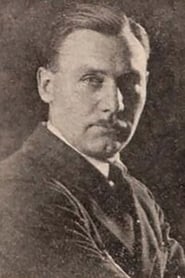
The production of 'On With the Show!' was a groundbreaking but challenging endeavor that pushed the boundaries of early cinema technology. Director Alan Crosland, who had previously directed 'The Jazz Singer,' was chosen for his experience with sound films. The cast and crew had to adapt to the demanding requirements of both sound recording and color photography simultaneously. The soundstage had to be completely silent during takes, as the primitive microphones picked up every noise. The Technicolor cameras were enormous and noisy, requiring them to be housed in soundproof booths with the camera operators outside. Actors had to speak clearly and project their voices while maintaining natural performances, a difficult balance in early talkies. The film's musical numbers required multiple takes due to synchronization issues between the orchestra recording and the on-screen performances. Despite these challenges, or perhaps because of them, the production created a sense of excitement and innovation that permeated the final film.
What critics said
Retrospective writers mention On With the Show! when tracing how 1929 audiences encountered with unpaid actors and staff, the stage show phantom sweetheart seems doomed.
Did you know?
- This was the first all-talking, all-color feature film ever produced, marking a historic milestone in cinema history.
- The film was shot in Technicolor's two-color process, which could only reproduce reds and greens, giving the movie a distinctive but limited color palette.
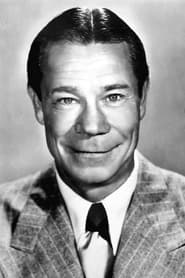
- Joe E. Brown made his film debut in this production, launching his long and successful career in comedy films.
- The original Broadway show on which the film was based was called 'The Little Show' and had been a modest success in 1929.
- Due to the technical limitations of early sound recording, the camera was often stationary, and actors had to gather around hidden microphones.
- The film's success helped convince Hollywood studios that sound and color were the future of cinema, despite the high production costs.
- Several musical numbers were cut from the final release because they tested poorly with preview audiences.
- The Vitaphone sound-on-disc system meant that if the film print broke or was damaged, the sound could continue playing, creating synchronization issues.
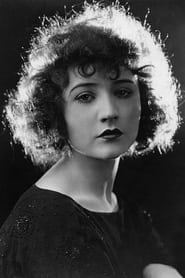
- Betty Compson was paid $25,000 for her role, making her one of the highest-paid actresses of the time.
- The film's title was a reference to the popular theater phrase 'On with the show!' which became even more meaningful with the advent of sound in cinema.
Awards & recognition
- Academy Award nomination for Best Art Direction (1929/1930)
Visual style
The cinematography by Devereaux Jennings and Ray Rennahan was groundbreaking for its use of two-color Technicolor, which required special lighting conditions and camera filters. The filmmakers had to adapt to the limited color palette, using set designs and costumes that would appear most effective in the red-green spectrum. The camera work was necessarily static due to the bulky Technicolor cameras and the need to keep actors near microphones, resulting in more theatrical staging than dynamic movement. Despite these limitations, the cinematographers created visually appealing compositions that maximized the impact of color while maintaining clear sound recording. The film's visual style represents a transitional aesthetic between the expressive lighting of late silent cinema and the more naturalistic approach that would develop in later sound films.
Innovations
The film's most significant technical achievement was being the first feature to combine all-talking dialogue with full-color photography. It utilized the Vitaphone sound-on-disc system, which provided better audio quality than early sound-on-film processes but required careful synchronization. The two-color Technicolor process, while limited to red and green hues, represented a major advancement in color film technology. The production pioneered techniques for hiding microphones in set pieces while maintaining visual composition. The film also demonstrated early methods of recording musical numbers that balanced live performance with recorded sound quality. These technical innovations, while primitive by modern standards, laid important groundwork for future developments in sound and color cinema.
Music
The film's musical score and songs were composed by several songwriters including Ray Henderson, Lew Brown, and B.G. DeSylva. The soundtrack featured approximately ten musical numbers, including 'Am I Blue?' which became a popular standard. The music was recorded using the Vitaphone sound-on-disc system, with the orchestra performing live during filming to provide accompaniment for the actors. The sound quality was remarkable for its time, though it suffered from the limitations of early recording technology, including limited frequency range and occasional synchronization issues. The musical numbers ranged from upbeat production numbers to romantic ballads, showcasing the various talents of the cast. The soundtrack was later released on 78-rpm records, allowing audiences to enjoy the music at home and further popularizing the film's songs.
Famous quotes
The show must go on! Even if we have to carry it on our backs!
In show business, you're only as good as your last performance, and tonight, we're going to be magnificent!
Money problems? That's just part of the scenery. The real drama is on that stage!
They may rob our box office, but they can't steal our talent!
Memorable scenes
- The opening number where the entire cast performs in vibrant Technicolor, immediately showcasing the film's technical innovation
- Joe E. Brown's comedy routine where he attempts to fix the missing props while delivering rapid-fire jokes
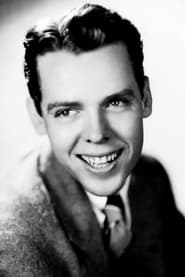
- The romantic duet between Arthur Lake and Betty Compson under artificial moonlight
- The climactic backstage scene where the company rallies together to save the show
What audiences thought
Audiences in 1929 were thrilled by the novelty of hearing and seeing a full-color musical film, with theaters reporting packed houses and enthusiastic responses. The film's musical numbers and comedy sequences were particularly well-received, with Joe E. Brown's performance generating significant laughter and applause. Many viewers attended multiple times to experience the new technology, with some reports of audiences applauding after musical numbers as if they were watching a live performance. The film's success at the box office demonstrated that audiences were hungry for sound and color films, despite the higher ticket prices charged for these special presentations. Modern audiences viewing the film today often appreciate it primarily for its historical value, though some find charm in its earnest performances and period musical numbers.
Film connections
Influenced by
- The Jazz Singer (1927)
- Broadway musical theater tradition
- Vaudeville performance style
- The Broadway Melody (1929)
This film influenced
- The Vagabond King (1930)
- Song of the Flame (1930)
- Hold Everything (1930)
- Sally (1929)
Film restoration
The film exists in complete form with both picture and soundtrack intact. A 35mm Technicolor print is preserved at the UCLA Film and Television Archive, while a black-and-white version is held by the Library of Congress. The film has been digitally restored by Warner Bros. for home video release, though the original two-color Technicolor effect can only be fully appreciated in film screenings. Some original Vitaphone discs survive, allowing for complete audio restoration. The preservation status is considered good compared to other early sound films, many of which have been lost due to the degradation of early sound film stock.
Where to watch
- The Warner Archive Collection DVD/Blu-ray
- Classic film streaming services like The Criterion Channel (occasionally)
- Film archives and cinematheques that screen 35mm prints
- Warner Bros. streaming platforms
- TCM (Turner Classic Movies) television broadcasts