Sally O'Neil
Actor
Born: October 23, 1908 in Bayonne, New Jersey, USA Died: January 23, 1968 Active: 1926-1935 Birth Name: Virginia Louise Concepta Noonan
Films
5 films


About Sally O'Neil
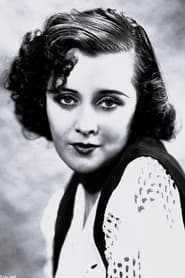
Sally O'Neil was born Virginia Louise Concepta Noonan on October 23, 1908, in Bayonne, New Jersey. She was discovered at age 17 by a talent scout while working as a telephone operator, which led to her first film roles in 1926. Her breakthrough came with the film 'The Nickel-Hopper' where she starred alongside Louise Fazenda, which led to her being named one of the WAMPAS Baby Stars of 1926. She quickly became a popular leading lady in silent comedies and dramas, often playing spirited, energetic characters with a girl-next-door appeal. Her career peaked in the late 1920s with notable films like 'Battling Butler' (1926) with Buster Keaton and 'The Show of Shows' (1929). Unfortunately, like many silent film stars, her career declined with the advent of sound films, partly due to her distinctive New Jersey accent that didn't fit the emerging sound film aesthetic. She made her last film in 1935 and spent her later years working as a nurse, passing away in 1968 at the age of 59.
The Craft
On Screen
Energetic and expressive with natural comedic timing, she specialized in playing vivacious, spunky characters with a girl-next-door appeal. Her performances were characterized by large, expressive eyes and a distinctive pout that earned her the nickname 'The Girl with the Bee-Stung Lips.' In silent films, she relied heavily on physical comedy and facial expressions to convey emotion, transitioning to a more naturalistic style in her early sound films.
Milestones
- Named one of the WAMPAS Baby Stars of 1926
- Starred in 'Battling Butler' (1926) with Buster Keaton
- Appeared in the all-star revue 'The Show of Shows' (1929)
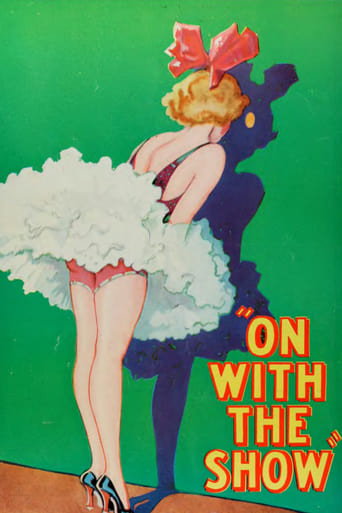
- Transitioned to sound films with 'On With the Show!' (1929)
- Successfully transitioned to a nursing career after leaving Hollywood
Best Known For
Iconic Roles
Must-See Films
Accolades
Won
- WAMPAS Baby Star (1926)
Special Recognition
- WAMPAS Baby Star (1926)
Working Relationships
Worked Often With
Studios
Why They Matter
Impact on Culture
Sally O'Neil represents the transitional period between silent films and talkies, embodying both the glamour of the Roaring Twenties and the challenges faced by silent film actors adapting to sound. As one of the WAMPAS Baby Stars, she was part of a Hollywood tradition of promoting young talent that helped shape star-making in the industry. Her films, particularly her comedies, captured the energetic spirit of the Jazz Age and reflected the changing roles of women in 1920s America. Her relatively brief career illustrates the volatility of fame in early Hollywood and the difficulty many silent stars faced when the industry underwent technological transformation.
Lasting Legacy
Though not as remembered as some of her contemporaries, Sally O'Neil's work survives as an example of the talent that flourished during the late silent era. Her films provide valuable documentation of the transition period in cinema history and showcase the acting styles that defined silent film comedy. The WAMPAS Baby Stars program she was part of has become historically significant as a predictor of future Hollywood success, with many of her fellow honorees going on to greater fame. Her post-Hollywood career as a nurse also represents an alternative path for former performers, demonstrating how some celebrities successfully transitioned to entirely different professions after their entertainment careers ended.
Who They Inspired
While Sally O'Neil did not have a profound influence on subsequent generations of actors, her energetic acting style and girl-next-door persona contributed to the development of the comedy leading lady archetype in silent films. Her experience of struggling to adapt to sound films mirrored that of many of her contemporaries and serves as a cautionary tale about the importance of versatility in an evolving industry. The way she handled career setbacks by transitioning to a new profession demonstrated resilience that may have inspired other performers facing similar challenges.
Off Screen
Sally O'Neil married three times during her life. Her first marriage was to film director William Seiter in 1929, which ended in divorce in 1933. She later married businessman Paul G. Goudeaux in 1936, which also ended in divorce. Her third marriage was to Dr. Edward R. Hays in 1948, and they remained married until his death. She had no children. After her film career ended, she trained as a nurse and worked in the medical field for many years. She was a devout Catholic throughout her life.
Education
Limited information is available about her formal education, but she reportedly attended public schools in Bayonne, New Jersey before leaving to work as a telephone operator.
Family
- William Seiter (1929-1933)
- Paul G. Goudeaux (1936-1948)
- Dr. Edward R. Hays (1948-1968)
Did You Know?
- She was nicknamed 'The Girl with the Bee-Stung Lips' due to her distinctive pout.
- She was discovered while working as a telephone operator in New Jersey.
- She was one of thirteen actresses selected as WAMPAS Baby Stars in 1926.
- 'On With the Show!' (1929), one of her sound films, was the first all-talking, all-color movie ever made.
- She stood only 5'1" tall.
- After leaving Hollywood, she became a registered nurse and worked at a hospital in Van Nuys, California.
- She was a devout Catholic throughout her life.
- Her first husband, William Seiter, directed her in several films before they married.
- She died of a heart attack on January 23, 1968, exactly three months before her 60th birthday.
- Despite her brief career, she appeared in over 30 films between 1926 and 1935.
Frequently Asked Questions
Who was Sally O'Neil?
American actress who rose to fame during the silent film era of the 1920s. Born Virginia Louise Concepta Noonan, she was discovered at age 17 and quickly became a popular leading lady, known for her energetic performances and distinctive appearance. She was named one of the WAMPAS Baby Stars of 1926, an honor given to promising young actresses.
What films is Sally O'Neil best known for?
Titles linked here include The Nickel-Hopper (1926), Battling Butler (1926).
When was Sally O'Neil born and when did she die?
Born October 23, 1908; died January 23, 1968.
What awards did Sally O'Neil win?
While Sally O'Neil did not receive major industry awards like Academy Awards, she was honored as one of the WAMPAS Baby Stars of 1926. This recognition was given annually by the Western Association of Motion Picture Advertisers to young actresses deemed to have potential for stardom.
What was Sally O'Neil's acting style?
Sally O'Neil's acting style was characterized by high energy, expressive facial features, and natural comedic timing. In silent films, she relied heavily on physical comedy and exaggerated expressions to convey emotion, earning her the nickname 'The Girl with the Bee-Stung Lips' for her distinctive pout. She typically played vivacious, spirited characters with a girl-next-door appeal.