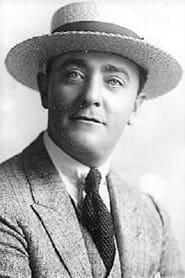
Harry Gribbon
Actor
Born: June 9, 1885 in New York City, New York, USA Died: July 28, 1961 Active: 1915-1929 Birth Name: Henry Gribbon
Films
10 films
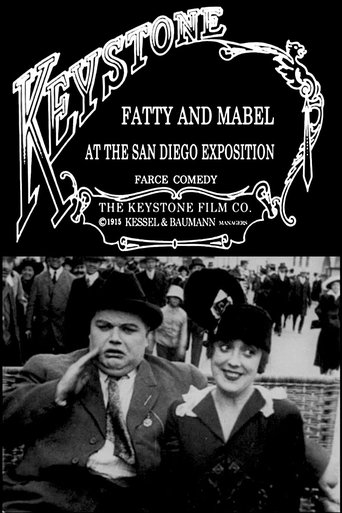
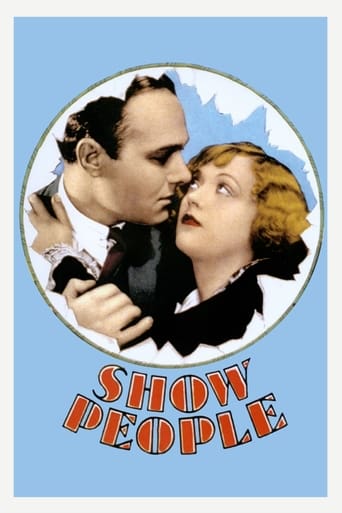
About Harry Gribbon
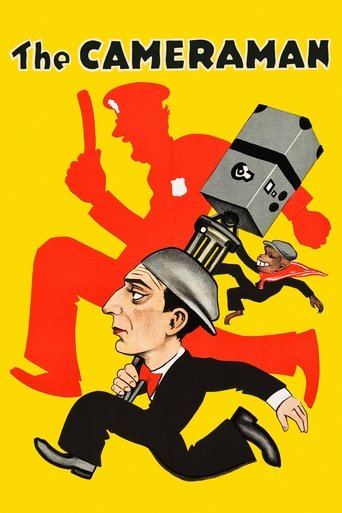
Prolific American character actor of the silent film era, best known for his work with Mack Sennett's Keystone Studios and later with Buster Keaton. Born in 1885, he began his film career around 1915, quickly establishing himself as a reliable supporting player in comedies. Gribbon appeared in numerous short films and features throughout the 1910s and 1920s, often playing authority figures, villains, or comic foils to the main stars. His career peaked during the late 1920s when he worked with major stars like Buster Keaton in 'The Cameraman' (1928) and Marion Davies in 'Show People' (1928). Gribbon was particularly skilled at physical comedy and had a distinctive appearance that made him easily recognizable to audiences of the era. As the transition to sound films began in the late 1920s, his career began to wane, and he made his final film appearances around 1929. Despite not achieving leading man status, Gribbon's extensive body of work made him familiar faces in silent comedy.
The Craft
On Screen
Harry Gribbon was known for his expressive physical comedy and ability to play both comic and villainous roles. He had a distinctive tall, lanky frame that he used effectively in slapstick situations. Gribbon excelled at playing authority figures who would be comically undermined by the main stars, particularly in Keystone comedies. His facial expressions were highly exaggerated, typical of the silent era style, allowing him to convey emotions and reactions clearly without dialogue. He was particularly adept at pratfalls and physical gags, making him a valuable supporting player in comedy productions.
Milestones
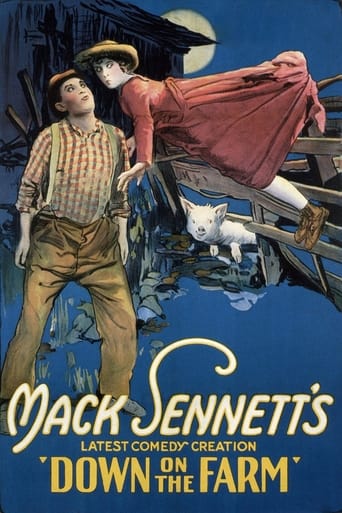
- Regular performer at Mack Sennett's Keystone Studios
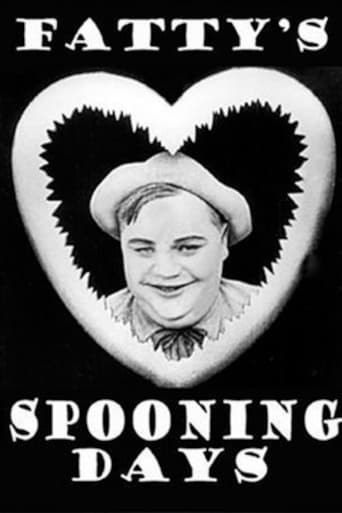
- Frequent collaborator with Roscoe 'Fatty' Arbuckle
- Supporting role in Buster Keaton's 'The Cameraman' (1928)
- Appearance in Marion Davies starrer 'Show People' (1928)
- Prolific career with over 150 film appearances
Best Known For
Iconic Roles
Must-See Films
Working Relationships
Worked Often With
Studios
Why They Matter
Impact on Culture
Harry Gribbon contributed significantly to the development of American silent comedy as one of the reliable supporting players who helped make the stars shine. His work at Keystone Studios during its golden age helped establish the template for American slapstick comedy that would influence generations of comedians. While not a star himself, Gribbon's consistent performances in hundreds of films provided the necessary foundation for the comedy routines of more famous performers. His ability to play both comic and villainous roles demonstrated the versatility needed in silent film acting, where actors often had to convey complex emotions through physical means alone.
Lasting Legacy
Harry Gribbon's legacy lies in his substantial contribution to the golden age of silent comedy. Though largely forgotten by modern audiences, film historians recognize him as an essential part of the machinery that produced classic comedies. His extensive filmography serves as a valuable record of silent era comedy techniques and styles. Gribbon represents the countless character actors who were the backbone of Hollywood's studio system, providing reliable performances that supported the stars. His work with major figures like Arbuckle and Keaton ensures that his performances survive in some of the most celebrated comedies of the silent era.
Who They Inspired
As a supporting actor, Harry Gribbon's direct influence on other performers was limited, but his work helped establish patterns of comic timing and physical comedy that would be studied by later generations. His ability to seamlessly transition between comic and villainous roles demonstrated the range possible in silent film acting. The consistency of his performances across numerous productions set a standard for professionalism in supporting roles. Modern character actors in comedy owe a debt to performers like Gribbon, who proved that effective supporting work was essential to the success of comedy films.
Off Screen
Harry Gribbon was born into an Irish-American family in New York City. He came from a family of performers, as his brother Eddie Gribbon was also a well-known actor in silent films. Harry was married to actress Margaret Seddon, and they often appeared together in films. The couple had a stable marriage that lasted throughout Harry's film career and beyond. After retiring from films, Gribbon lived a relatively quiet life away from the Hollywood spotlight. He passed away in Los Angeles in 1961 at the age of 76, having outlived the silent era in which he made his mark.
Education
Limited formal education, likely educated in New York City public schools before entering show business
Family
- Margaret Seddon (1915-1961)
Did You Know?
- Brother of fellow actor Eddie Gribbon, who also appeared in silent comedies
- Appeared in over 150 films during his 14-year career
- Often played police officers, detectives, or other authority figures in comedies
- Worked with virtually every major comedy star of the silent era
- Was particularly tall for his time, which made him physically imposing in villainous roles
- Married actress Margaret Seddon, and they sometimes appeared together on screen
- His career effectively ended with the transition to sound films
- Was part of Mack Sennett's famous 'Keystone Cops' in several productions
- Had a distinctive mustache that became his trademark in many films
- Often doubled as a stunt performer due to his physical agility
Frequently Asked Questions
Who was Harry Gribbon?
American character with credits in this catalog.
What films is Harry Gribbon best known for?
Titles linked here include The Cameraman (1928), Show People (1928).
When was Harry Gribbon born and when did he die?
Born June 9, 1885; died July 28, 1961.
What awards did Harry Gribbon win?
Harry Gribbon did not receive any major awards during his career, as was common for supporting actors in the silent era, though his contributions to classic comedies are recognized by film historians today.
What was Harry Gribbon's acting style?
Gribbon specialized in physical comedy and expressive silent acting, often playing authority figures or villains who would be comically defeated by the stars. He was known for his tall stature, distinctive mustache, and ability to perform pratfalls and slapstick gags effectively.
How many films did Harry Gribbon appear in?
Harry Gribbon appeared in over 150 films during his career from 1915 to 1929, making him.
Was Harry Gribbon related to any other actors?
Yes, Harry Gribbon's brother Eddie Gribbon was also a well-known actor in silent films, and both brothers often appeared in comedies during the same period.