
Mabel, Fatty and the Law
"Maid and ruin"
Keys: Space play/pause · ←/→ 10s · F fullscreen · M mute · </> speed
About this film
When Mabel catches her husband flirting with their maid, it leads to a sharp dispute. As part of making up, the couple decide to take a walk to the park. Nearby, another married couple have just had a similar domestic squabble, and they too go to the park together.
Cast & crew
More films like this
More Comedy films
View all →







More from Roscoe 'Fatty' Arbuckle
View all →
More about this film
About the production
Release dateMarch 22, 1915
ProductionKeystone Film Company
Filmed inLos Angeles, California, Edendale, California
was produced during the peak of Keystone Studios' output, when they were churning out multiple short comedies each week. The park scenes were likely filmed at Echo Park or nearby locations frequently used by Keystone. The film the typical rapid-fire pacing and physical comedy that made Keystone famous, with Arbuckle and Normand at the height of their collaborative partnership.
Themes
Domestic relationshipsMarital discord and reconciliationMistaken identityPublic vs. private behaviorGender dynamics
Themes & topics
parkmarriageflirtingmaiddisputereconciliationmistaken identityslapstickcomedy of errorsurban life
Historical background
Made in its country of production around 1915, Mabel, Fatty and the Law belongs to the silent era's formative years. Its story of when mabel catches her husband flirting with their maid, it leads to a sharp dispute spoke to audiences of the day through familiar genres and topical settings.
Why this film matters
Archivists and historians still cite Mabel, Fatty and the Law when tracing how the silent era's formative years filmmakers staged mabel and catches on screen.
Making of
The production of 'Mabel, Fatty and the Law' was typical of Keystone's factory-like approach to filmmaking in 1915. Scripts were often minimal, with much of the comedy improvised on set by the performers. Arbuckle and Normand had developed a strong comedic chemistry through their numerous collaborations, allowing them to work efficiently together. The film was likely shot on the Keystone studio lot in Edendale (now part of Los Angeles), with outdoor scenes filmed at nearby parks that the studio frequently used. The rapid pace of production meant that actors had to be quick-thinking and adaptable, often creating gags on the spot that would later become standard comedy routines. The maid character, while without on-screen billing in many sources, would have been played by one of Keystone's stock company actresses who appeared in multiple films.
What critics said
Reviews from 1915 weighed Mabel, Fatty and the Law on pacing, performance, and novelty. Later criticism reads its emphasis on mabel, catches, husband through modern standards of craft and representation.
Did you know?
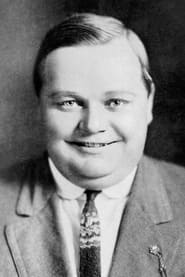
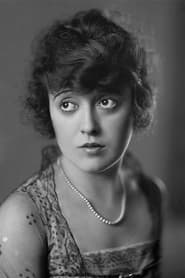
- This was one of numerous collaborations between Roscoe 'Fatty' Arbuckle and Mabel Normand, who were both major stars at Keystone Studios
- The film was released during Keystone's most productive period under Mack Sennett's leadership
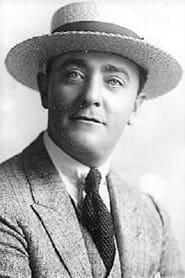
- Harry Gribbon, who plays the other husband, was a regular supporting actor in Keystone comedies and often played alongside Arbuckle
- The film's title follows the common Keystone naming convention of highlighting the stars in the title
- Like many Keystone shorts of this era, the film was likely shot in just one or two days
- The park setting was a favorite location for Keystone comedies, allowing for outdoor chases and physical gags
- was released just before Arbuckle began directing more of his own features
- Mabel Normand was not only starring in films but also directing some of her own shorts during this period
- The domestic dispute theme was a popular trope in silent comedy, allowing for both relatable situations and physical humor
- The film survives today through archives and has been included in several silent comedy collections
Visual style
The cinematography, typical of 1915 Keystone productions, was functional rather than artistic. The camera was largely static, capturing the action from a medium distance to ensure the physical comedy was clearly visible. Outdoor scenes benefited from natural lighting, while interior scenes used basic studio lighting setups. The cinematographer focused on keeping the performers in frame during their physical gags, with occasional close-ups for emotional moments. The visual style prioritized clarity and visibility over artistic composition, reflecting the practical needs of comedy filming in the early studio system.
Innovations
While not technically innovative for its time, the film demonstrates the efficient production methods that Keystone had perfected. The studio's ability to consistently produce entertaining shorts on tight schedules was itself an achievement in early film industry organization. The film's pacing and editing reflect the growing understanding of comedic timing in cinema, with cuts timed to enhance physical gags. The use of real locations rather than entirely studio-bound sets showed the increasing sophistication of film production by 1915.
Music
As a silent film, 'Mabel, Fatty and the Law' had no synchronized soundtrack. During its original theatrical run, it would have been accompanied by live music, typically a pianist or small theater orchestra who would improvise or use stock music appropriate to the action on screen. The music would have emphasized the comedic moments with lively tunes and provided dramatic underscoring for the more serious moments of the domestic dispute. Modern screenings often feature specially composed scores or appropriate period music to recreate the authentic silent film experience.
Famous quotes
(Intertitle) 'I saw you flirting with the maid!'
(Intertitle) 'Let's make up and take a walk in the park'
(Intertitle) 'What's all this commotion?'
Memorable scenes
- The opening domestic dispute between Mabel and Fatty, featuring exaggerated silent film acting and physical comedy
- The chaotic park scene where both couples keep accidentally interfering with each other
- The final resolution sequence with multiple characters running and colliding in classic Keystone fashion
What audiences thought
Like most Keystone productions of this era, the film was well-received by contemporary audiences who craved the fast-paced, physical comedy that had become the studio's trademark. Arbuckle's popularity was at its peak in 1915, and audiences eagerly attended any film featuring his antics. The combination of Arbuckle's physical humor and Normand's comedic timing made for a winning formula that consistently drew crowds to nickelodeons and early movie theaters. Modern audiences encountering the film through silent comedy festivals and archives often appreciate its historical value and the genuine comedic talent of its stars.
Film connections
Influenced by
- French comedies of Max Linder
- Earlier Keystone shorts
- Stage comedy traditions
- Vaudeville routines
This film influenced
- Later Arbuckle-Normand collaborations
- Keystone's subsequent domestic comedies
- Two-reel comedy format development
Film restoration
The film survives and has been preserved by film archives. It is available through various silent comedy collections and has been digitized for home viewing. While some prints may show wear typical of films from this era, the complete film is accessible to modern audiences.
Where to watch
- Internet Archive
- YouTube (public domain uploads)
- Various silent comedy DVD collections
- Film archive screenings
- Silent film festival programs