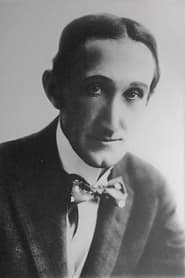
Frank Hayes
Actor
Born: May 17, 1871 in San Francisco, California, USA Died: December 29, 1923 Active: 1913-1916
Films
13 films
His Musical Career
1914
Fatty's Tintype Tangle
1915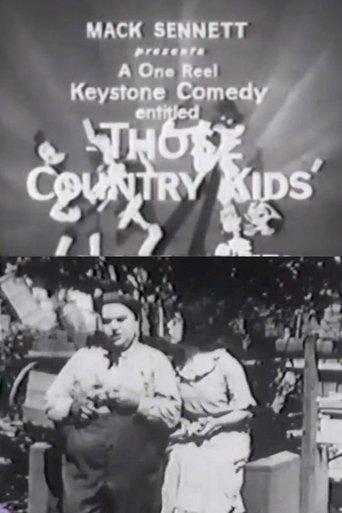
Those Country Kids
1914
When Love Took Wings
1915
Fatty’s Chance Acquaintance
1915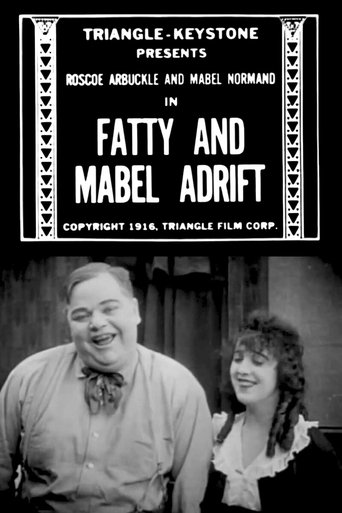
Fatty and Mabel Adrift
1916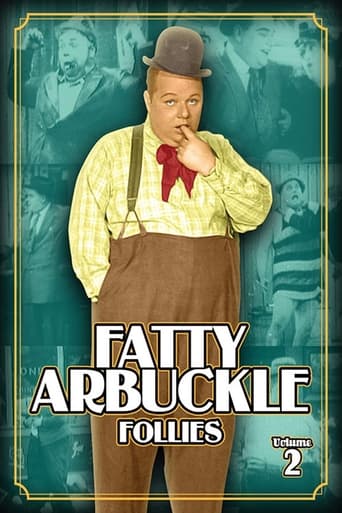
Mabel and Fatty’s Married Life
1915
Their Social Splash
1915
Love
1919
Fatty’s Faithful Fido
1915 Fatty's New Role
1915
The New Janitor
1914About Frank Hayes
American silent film character actor who became a familiar face in early Keystone comedies during the formative years of cinema. Born in San Francisco in 1871, Hayes began his film career around 1913, quickly establishing himself as a reliable supporting player at Mack Sennett's Keystone Studios. He specialized in portraying authority figures, particularly policemen, officials, and stern fathers who often served as comedic foils to the chaotic antics of stars like Charlie Chaplin, Roscoe 'Fatty' Arbuckle, and Mabel Normand. Hayes appeared in over 100 short films between 1913 and 1916, though many of his roles were uncredited or minor in nature. His distinctive appearance, with his tall stature and severe facial features, made him instantly recognizable to audiences of the era. Hayes's career was cut short by health issues, and he retired from acting in 1916, passing away in Hollywood in 1923 at the age of 52. Despite his brief career, Hayes on silent comedy as recognizable character actors of the Keystone era.
The Craft
On Screen
Hayes specialized in playing straight-laced authority figures with deadpan expressions, often serving as the perfect foil to slapstick comedy. His tall, imposing presence combined with a severe, unsmiling demeanor made him ideal for playing policemen, judges, and other officials who would comically lose their composure when faced with the chaotic antics of the main stars. Hayes had a natural ability to maintain a serious expression even in the most absurd situations, enhancing the comedic contrast.
Milestones
- Joined Keystone Studios in 1913
- Appeared in over 100 films in just 3 years
- Worked frequently with Charlie Chaplin in his early career
- Became typecast as authority figures in comedies
- Retired from acting in 1916 due to health issues
Best Known For
Iconic Roles
Must-See Films
Working Relationships
Worked Often With
Studios
Why They Matter
Impact on Culture
Frank Hayes played a significant role in establishing the archetype of the straight-man authority figure in silent comedy. His consistent presence in Keystone comedies helped create a visual language that would influence comedy for decades, establishing the contrast between rigid authority and chaotic humor as a fundamental comedic device. Though often uncredited, Hayes contributed to the success of some of the most influential comedy shorts of the early film era, including several of Charlie Chaplin's earliest works.
Lasting Legacy
Frank Hayes's legacy lies in his contribution to the golden age of silent comedy as. His work, while often overlooked in film histories, represents the essential supporting foundation upon which silent comedy stars built their careers. Film historians and silent cinema enthusiasts recognize Hayes as a quintessential example of the character actors who populated the background of early films, providing the necessary contrast and context that made slapstick comedy effective. His distinctive appearance and consistent performances have made him a subject of study for those interested in the development of comedy archetypes in early cinema.
Who They Inspired
Hayes influenced the development of the authority figure archetype in comedy, demonstrating how a stern, unflappable character could enhance comedic situations. His work with Chaplin and Arbuckle helped establish patterns of comic interaction that would be replicated throughout film history. While he didn't directly mentor future actors, his performances served as templates for countless character actors who would follow in his footsteps, playing similar roles in comedies throughout the silent era and beyond.
Off Screen
Frank Hayes was born and raised in San Francisco before moving to Los Angeles to pursue his acting career. He married actress and fellow Keystone performer Louise Fazenda in 1917, though their marriage was short-lived as Hayes's health was already declining. The couple divorced in 1918. Hayes spent his final years in Hollywood, largely retired from the film industry due to his deteriorating health. He passed away from heart disease at the age of 52, leaving behind a legacy as one of silent comedy's most recognizable character actors.
Family
- Louise Fazenda (1917-1918)
Did You Know?
- Appeared in over 100 films in just 3 years of active work
- Often without on-screen billing in his film roles despite his recognizable face
- Worked with Charlie Chaplin in several of Chaplin's earliest Keystone films
- Was typecast as authority figures due to his tall stature and severe appearance
- Married fellow Keystone actor Louise Fazenda after retiring from films
- His career ended prematurely due to declining health in his mid-40s
- Was one of Mack Sennett's most frequently used character actors
- His death at age 52 was attributed to heart disease
- Never transitioned to sound films due to his early retirement
- Often played multiple roles within the same film due to his versatility
Frequently Asked Questions
Who was Frank Hayes?
American silent film with credits in this catalog. He appeared in over 100 films between 1913 and 1916, often working with Charlie Chaplin, Roscoe Arbuckle, and Mabel Normand.
What films is Frank Hayes best known for?
Titles linked here include His Musical Career (1914), Mabel, Fatty and the Law (1915).
When was Frank Hayes born and when did he die?
Born May 17, 1871; died December 29, 1923.
What awards did Frank Hayes win?
Frank Hayes did not receive any major awards or nominations during his career. Like many character actors of the silent era, his contributions were largely uncredited and unrecognized by formal award institutions of the time.
What was Frank Hayes's acting style?
Hayes specialized in deadpan comedy, playing stern authority figures with a severe expression that served as perfect comic contrast to the slapstick antics of the main stars. His tall, imposing presence and ability to maintain composure in absurd situations made him ideal for playing policemen, judges, and other officials.
Why did Frank Hayes's career end so early?
Hayes retired from acting in 1916 at the age of 45 due to declining health issues. His brief but prolific active years covered only about three years, during which he appeared in over 100 films before health problems forced his early retirement.