Mabel and Fatty’s Married Life
"When a woman's husband leaves town, she begins to see odd things happening in her house."
Keys: Space play/pause · ←/→ 10s · F fullscreen · M mute · </> speed
About this film
Afraid that gangsters are after her, she becomes increasingly anxious. When a woman's husband leaves town, she begins to see odd things happening in her house.
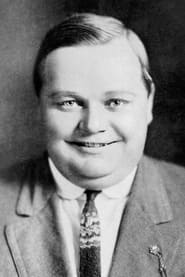
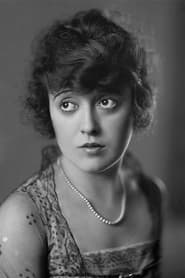
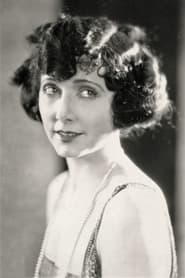
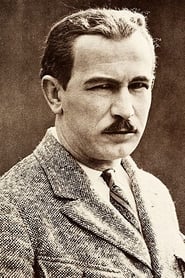
Cast & crew
More films like this
More Comedy films
View all →







More from Roscoe 'Fatty' Arbuckle
View all →
More about this film
About the production
Release dateMarch 22, 1915
Box officeBox office figures not recorded for individual Keystone shorts, but the Arbuckle-Normand pairing was consistently profitable
ProductionKeystone Film Company, Mack Sennett Comedies
Filmed inKeystone Studios, Edendale, Los Angeles, California
This film was part of the highly successful Mabel and Fatty series that capitalized on the chemistry between Arbuckle and Normand. The production followed Keystone's typical rapid shooting schedule, often completing these one-reel comedies in just 1-2 days. The film showcases Arbuckle's signature physical comedy style and Normand's expressive acting abilities.
Themes
Domestic lifeMiscommunicationFear and paranoiaMarital relationshipsAppearance vs. reality
Themes & topics
silent comedyslapstickmarried couplemistaken identityhaunted housepractical jokesphysical comedy
Historical background
Made in 1915, in United States, under Roscoe Arbuckle, Mabel and Fatty’s Married Life belongs to silent filmmaking amid the silent era's rapid stylistic experiments. Mabel and Fatty's Married Life is a 1915 American silent comedy short film directed by and starring Fatty Arbuckle.
Why this film matters
Within silent history, Roscoe Arbuckle's name attaches to the work; surviving prints help researchers study silent-era craft; 1915 film by Roscoe Arbuckle.
Making of
The production of 'Mabel and Fatty's Married Life' exemplified the Keystone Studios method of rapid, efficient filmmaking. Arbuckle and Normand had developed such a strong working relationship that they could often improvise entire scenes, with Arbuckle directing while performing. The film's simple domestic setting allowed the crew to focus on the physical comedy and timing rather than elaborate sets. Contemporary accounts suggest that much of the film's humor was developed on set, with the cast and crew contributing gags throughout the shooting process. The collaborative atmosphere at Keystone meant that even minor crew members might suggest bits that ended up in the final film.
What critics said
Contemporary reviews of Mabel and Fatty’s Married Life are sparse in open sources; later catalog entries chiefly summarize plot and credits.
Did you know?
- This was one of over a dozen films that Roscoe Arbuckle and Mabel Normand made together between 1913-1915
- The film was directed by Arbuckle himself, showcasing his dual talent as both performer and filmmaker
- Keystone Studios typically produced these short comedies at a rate of one per week, making them incredibly efficient productions
- The 'haunted house' premise was a popular trope in early comedy, allowing for maximum physical gags and expressive acting
- Mabel Normand was one of the few women in early Hollywood with significant creative control, often co-directing and writing her films
- The film's success helped establish Arbuckle as one of the highest-paid actors in Hollywood by 1918
- Dan Albert, who appears in the cast, was a regular Keystone player who often played supporting roles in Arbuckle films
- The film was released during the height of the 'Keystone Cops' era, when slapstick comedy dominated American cinema
- Arbuckle's character 'Fatty' became widely recognized comedy personas of the 1910s
- The film's preservation is remarkable, as many Keystone shorts from this period have been lost
Visual style
The cinematography by unknown Keystone cameramen follows the typical style of the period, with static camera positions and medium shots that allow full appreciation of the physical comedy. The lighting is naturalistic for the interior scenes, using the available light from the set windows supplemented by arc lights. The camera work is functional rather than artistic, designed primarily to capture the action clearly for the audience. The film does feature some effective use of shadows to create the mysterious atmosphere that drives the plot.
Innovations
While not groundbreaking technically, the film demonstrates the efficient production methods that made Keystone Studios successful. The use of a single domestic set allowed for economical filming while providing enough variety for the comedic action. The film's editing, though basic by modern standards, effectively builds tension and releases it through comedic timing. The makeup and costume design effectively establish the characters' personalities and social status within the constraints of the budget.
Music
As a silent film, 'Mabel and Fatty's Married Life' would have been accompanied by live music during its theatrical run. Typical accompaniment would have included a pianist or small orchestra playing popular songs of the era along with classical pieces matched to the on-screen action. The score would have been more energetic during the chase sequences and more suspenseful during the mysterious moments. No specific musical score was composed for the film, leaving the musical interpretation to individual theater musicians.
Famous quotes
(As a silent film, dialogue was conveyed through intertitles and pantomime rather than spoken quotes)
Memorable scenes
- The sequence where Mabel barricades herself in the bedroom, using furniture and household items to create elaborate defenses against the supposed intruders
- Fatty's clumsy attempts to sneak around his own house, accidentally creating increasingly suspicious noises
- The final reveal where both characters realize their mutual misunderstanding, leading to a tender reconciliation
What audiences thought
The film was well-received by contemporary audiences, who had come to expect quality entertainment from the Arbuckle-Normand pairing. Theater owners reported strong attendance for the short, often programming it as part of a comedy-heavy bill. Audiences particularly enjoyed the relatable domestic setting combined with the escalating absurdity of the situation. The film's success led to increased demand for more Mabel and Fatty collaborations, cementing their status as especially popular comedy teams of the mid-1910s.
Film connections
Influenced by
- Earlier Keystone comedies
- Mack Sennett's comedic style
- French and Italian slapstick traditions
- Stage farce traditions
This film influenced
- Later domestic comedies
- The Three Stooges shorts
- Abbott and Costello films
- Modern romantic comedies
Film restoration
The film is preserved in the Library of Congress collection and has been restored by various film archives. Prints exist in 16mm and 35mm formats, and it has been made available on home video through several public domain collections. The preservation quality is generally good for a film of this era, though some deterioration is evident in surviving prints.
Where to watch
- Available on YouTube through various public domain channels
- Included in the 'Keystone Comedy Collection' DVD set
- Streaming on Amazon Prime Video as part of classic film collections
- Accessible through the Internet Archive
- Available on some streaming services specializing in silent cinema