
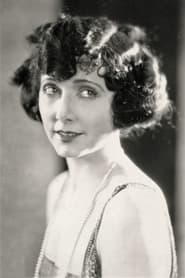
Mae Busch
Actor
Born: June 18, 1891 in Melbourne, Australia Died: April 20, 1946 Active: 1912-1946 Birth Name: Mary Anastasia Busch
Films
9 films
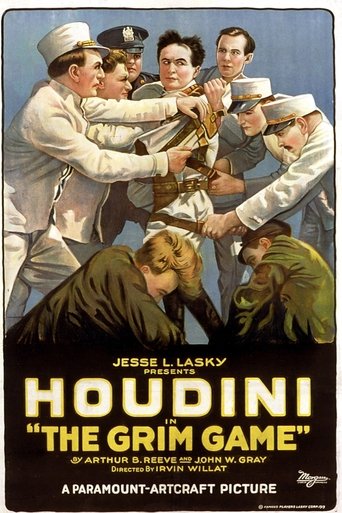
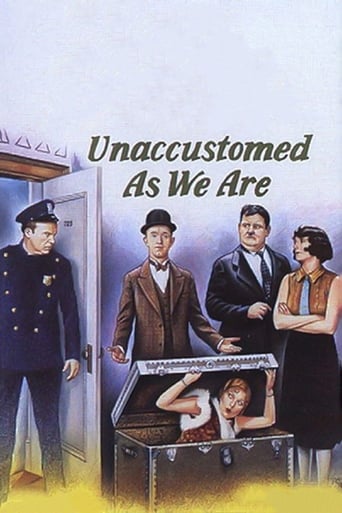
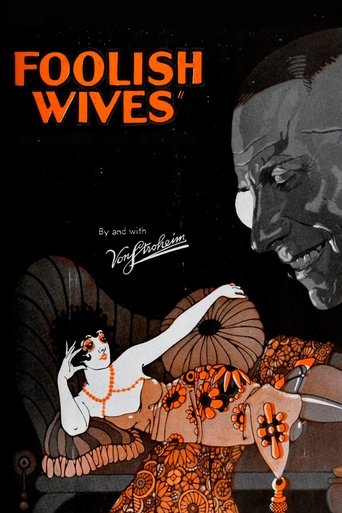
About Mae Busch
Australian-born American actress who enjoyed a prolific career spanning three decades in Hollywood, from the silent era through the early sound period. She began her career in Australia before being discovered by director Raymond Longford and moving to the United States in 1915, where she quickly found work at Mack Sennett's Keystone Studios. Busch worked with many of the era's biggest stars, including Charlie Chaplin, with whom she had both professional and personal relationships that often made headlines. She became particularly renowned for her work in comedy, especially her frequent collaborations with Laurel and Hardy, where she often played the formidable Mrs. Hardy or other comic antagonists with remarkable consistency. Her career encompassed over 150 films, transitioning successfully from leading lady roles in silents to character roles in talkies. Despite never achieving top-billed status, Busch — reliable and versatile character actress whose commanding presence and sharp timing made her invaluable to comedy productions. She continued working until shortly before her death in 1946, leaving behind a legacy of memorable performances in classic comedies that continue to entertain audiences decades later.
The Craft
On Screen
Busch was known for her expressive face, commanding presence, and exceptional physical comedy skills. She had a particular talent for playing formidable, often shrewish women in comedies, using her sharp timing and authoritative demeanor to great effect. Her ability to convey emotion through facial expressions made her particularly effective in silent films, while her clear diction and professional adaptability allowed her to transition seamlessly to talkies. Whether playing romantic leads in early silents or antagonistic characters in comedies, Busch brought a level of professionalism and reliability that made her a favorite among directors.
Milestones
- Discovered by director Raymond Longford in Australia
- Signed with Mack Sennett's Keystone Studios in 1915
- Appeared in Charlie Chaplin films including 'The Champion' (1915)
- Became regular collaborator with Laurel and Hardy in the 1930s
- Successfully transitioned from silent films to talkies
- Appeared in over 150 films during her 34-year career
- Final film appearance in 'The Bullfighters' (1945), last Laurel and Hardy feature
Best Known For
Iconic Roles
Must-See Films
Accolades
Special Recognition
- Recognized by film historians as a significant contributor to early cinema comedy
- Featured in Laurel and Hardy film retrospectives and documentaries
Working Relationships
Worked Often With
Studios
Why They Matter
Impact on Culture
Mae Busch represents the archetype of the reliable character actress who, while never achieving stardom, contributed significantly to the golden age of Hollywood comedy. Her work with Laurel and Hardy helped define the team's comedic dynamic, with her often playing the formidable authority figure that the duo had to outwit or appease. Her performances in silent films demonstrated the importance of expressive acting before sound, and her successful transition to talkies showed her adaptability as a performer. Busch's career trajectory mirrored the evolution of Hollywood itself, from the wild days of silent comedy to the more structured studio system of the sound era. Her ability to consistently deliver memorable performances regardless of the material made her an integral part of many classic films that continue to be studied and appreciated by film enthusiasts and scholars.
Lasting Legacy
Mae Busch's legacy lives on through the enduring popularity of Laurel and Hardy films, where her performances continue to entertain new generations of viewers. She exemplified the working actor who could consistently deliver memorable performances regardless of billing or material, setting a standard for professionalism in character acting. Film historians and comedy scholars recognize her contributions to establishing the tropes of screen comedy that would influence generations of performers. Her extensive filmography serves as a valuable record of the evolution of comedy in early Hollywood, from the slapstick of the silent era to the more nuanced verbal comedy of the 1930s and 40s. Though not a household name, Busch's work continues to be celebrated in film festivals and retrospectives dedicated to classic comedy.
Who They Inspired
While Busch wasn't a star who directly mentored others, her work influenced how character actresses approached comedy roles in subsequent decades. Her ability to play both sympathetic and antagonistic women with equal skill set a standard for supporting performers in comedy films. The template she established for the formidable female character in comedy influenced similar roles throughout Hollywood history. Her successful career longevity demonstrated the viability of character acting as a sustainable career path in Hollywood, inspiring future generations of performers who may not achieve stardom but can build substantial careers through reliable, memorable supporting work.
Off Screen
Mae Busch had a colorful personal life that often attracted media attention, particularly her relationship with Charlie Chaplin in the 1910s. She married actor Earl Metcalfe in 1915, but the marriage ended in divorce in 1918. In 1936, she married John Harlan, a studio publicity man, and they remained together until her death. Busch had no children and was known as a private person off-screen despite the public attention her relationships sometimes garnered. She was described by colleagues as professional and reliable, with a strong work ethic that kept her consistently employed throughout her career.
Education
Limited formal education; began working young and trained through practical experience in theater and film
Family
- Earl Metcalfe (1915-1918)
- John Harlan (1936-1946)
Did You Know?
- Discovered while working as a telephone operator in Australia
- Had a volatile relationship with Charlie Chaplin that included a famous incident where she allegedly shot at him during an argument
- One of the few actresses who successfully transitioned from leading lady roles in silents to character roles in talkies
- Appeared in over 150 films during her 34-year career
- Often typecast as the 'other woman' or shrewish wife in comedies
- Despite her Australian origins, she developed a convincing American accent for her talkie roles
- Her final film appearance was in 'The Bullfighters' (1945), the last Laurel and Hardy feature film
- Died relatively young at age 54 from cancer
- Was known for her professionalism and reliability on set, rarely missing work
- Her real first name was Mary, but she used Mae professionally throughout her career
- Worked with both Mack Sennett and Hal Roach, two of the most important comedy producers of the era
In Their Own Words
I'm not a star, I'm a worker. I just do my job and do it well.
In comedy, timing is everything. You can be funny, but if your timing is off, you're nothing.
Working with Laurel and Hardy was always a joy. They were professionals who respected everyone on the set.
Frequently Asked Questions
Who was Mae Busch?
Australian-born American actress who had a prolific career in silent films and early talkies, best known for her work with comedy legends Laurel and Hardy, where she often played formidable female characters.
What films is Mae Busch best known for?
Titles linked here include Sons of the Desert (1933), Our Relations (1936).
When was Mae Busch born and when did she die?
Born June 18, 1891; died April 20, 1946.
What awards did Mae Busch win?
During her lifetime, Mae Busch did not receive major industry awards, which was common for character actors of her era, though her work has been recognized posthumously by film historians and featured in comedy retrospectives.
What was Mae Busch's acting style?
Busch was known for her expressive face, commanding presence, and exceptional physical comedy skills, particularly effective in playing formidable women with sharp comedic timing in antagonistic roles.
How many films did Mae Busch appear in?
Mae Busch appeared in over 150 films during her 34-year career, spanning from 1912 to 1946, working in both silent films and talkies across various genres.
What was Mae Busch's relationship with Charlie Chaplin?
Busch had a well-publicized romantic relationship with Charlie Chaplin in the 1910s that included a famous incident where she allegedly shot at him during an argument; they also worked together professionally in several films.
How did Mae Busch get her start in films?
Busch was discovered in Australia by director Raymond Longford while working as a telephone operator, then moved to Hollywood in 1915 where she signed with Mack Sennett's Keystone Studios.