

Love 'Em and Weep
"An old flame blackmails a married businessman"
Keys: Space play/pause · ←/→ 10s · F fullscreen · M mute · </> speed
About this film
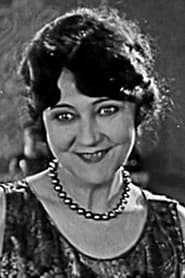
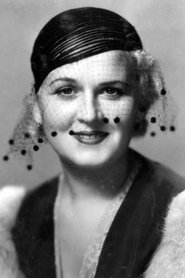
Titus Tillsbury is a successful businessman who is visited by a blackmailing old flame. He enlists a friend to keep her away from his home and wife. This is Mae Busch's first of fifteen appearances with Stan Laurel and Oliver Hardy.
Cast & crew
More films like this
More Comedy films
View all →






More from Fred Guiol
View all →
More about this film
About the production
Release dateApril 16, 1927
Box officeBox office figures not recorded for this short film, but it was commercially successful as part of Hal Roach's comedy slate
ProductionHal Roach Studios
Filmed inHal Roach Studios, Culver City, California
This was one of the early collaborations between Stan Laurel and James Finlayson before Laurel's official partnership with Oliver Hardy. The film was shot in just a few days, typical for Roach's rapid production schedule. Mae Busch was a regular at Hal Roach Studios and would later become famous as the frequent foil for Laurel and Hardy. The film was produced during the transition period when Roach was experimenting with different comedy pairings before establishing the Laurel and Hardy team.
Themes
Marital deceptionBlackmail and extortionDomestic tranquility vs. Past indiscretionsFriendship and loyaltySocial reputation and respectability
Themes & topics
blackmailold flamedeceptiondomestic comedymisunderstandingfriend helping friendsecret pastwifebusinessmansilent comedy
Historical background
Made in 1927, Love 'Em and Weep reflects production norms of late silent cinema and the transition toward sound—shorter runtimes, regional audiences, and limited preservation infrastructure.
Why this film matters
Historians reference Love 'Em and Weep (1927) when discussing 1927 film.
Making of
The production of 'Love 'Em and Weep' took place during a pivotal period at Hal Roach Studios when the comedy unit was experimenting with different star combinations. Stan Laurel had been working as a solo comedian and supporting player, while James Finlayson was establishing himself as a reliable comic character actor. The film was directed by Fred Guiol, who was instrumental in developing the studio's comedy style and would later direct many of Laurel and Hardy's most famous shorts. Mae Busch was already a veteran comedian by this time, having worked with Charlie Chaplin and other comedy greats. The filming followed the efficient Hal Roach method of shooting quickly with minimal takes, relying on the performers' timing and improvisation skills. The set design was typical of Roach productions - realistic middle-class interiors that provided plenty of opportunities for physical comedy and door-slamming farce.
What critics said
Retrospective notes on Love 'Em and Weep emphasize its value as a transitional sound-era artifact rather than blockbuster reception.
Did you know?
- This film was later remade in 1931 as 'Chickens Come Home' with Stan Laurel and Oliver Hardy, making it one of the few Laurel and Hardy films that had a previous version with Laurel in a different role
- James Finlayson plays the lead role here, but in the 1931 remake, Oliver Hardy took over the part while Laurel retained his supporting character
- The film represents an early example of the 'domestic comedy' formula that would become a staple of Laurel and Hardy's work
- Mae Busch, who plays the blackmailing old flame, would become
- Director Fred Guiol was a key figure at Hal Roach Studios and would go on to direct many classic Laurel and Hardy shorts
- The film showcases Stan Laurel's early comedic style before his character was fully developed for the Laurel and Hardy partnership
- This was one of the last films Stan Laurel made before his official teaming with Oliver Hardy, which began later in 1927
- The blackmail plot was a common trope in silent comedies, allowing for misunderstandings and frantic deception scenarios
Visual style
The cinematography, typical of Hal Roach productions of the era, was straightforward and functional, designed to clearly showcase the comedic action. The camera work employed medium shots for dialogue scenes and wider shots for physical comedy sequences. The lighting was bright and even, characteristic of comedy films of the period that needed to clearly capture performers' expressions and movements. The film used the standard 1.33:1 aspect ratio of silent films. The cinematographer focused on maintaining visual clarity during the chaotic scenes, ensuring that the multiple characters and their interactions remained visible and comprehensible to the audience.
Innovations
While not in technical terms, the film demonstrated the polished production techniques that Hal Roach Studios had perfected by 1927. The editing was crisp and well-paced, crucial for maintaining comedic rhythm in silent films. The film made effective use of intertitles to advance the plot without disrupting the flow of action. The set design allowed for smooth camera movement and multiple entrances/exits essential for farcical comedy. The film showcased the studio's ability to produce high-quality shorts efficiently, a technical and organizational achievement that helped Roach dominate the comedy short market.
Music
As a silent film, 'Love 'Em and Weep' had no synchronized soundtrack. The original theatrical presentation would have been accompanied by live music, typically a piano or small theater orchestra. The musical score would have been compiled from standard photoplay music libraries, with selections chosen to match the mood of each scene - upbeat and frantic for the comedy sequences, more romantic or tense for the dramatic moments. Some theaters might have used cue sheets provided by the studio suggesting appropriate musical pieces. The music would have emphasized the comedic timing and helped guide audience emotional responses throughout the film.
Famous quotes
As a silent film, dialogue was conveyed through intertitles and pantomime rather than spoken quotes
Memorable scenes
- The frantic opening sequence where Titus Tillsbury receives the threatening letter from his old flame, establishing the blackmail premise. The scene where Stan Laurel's character attempts to intercept Mae Busch before she can reach the Tillsbury home, featuring classic physical comedy and near-misses. The climactic confrontation scene where all the characters converge in the Tillsbury household, leading to chaotic revelations and comedic confusion. The final resolution where the truth comes out in a series of misunderstandings that ultimately resolve in favor of the protagonists.
What audiences thought
Audiences in 1927 responded positively to the film's relatable domestic situation and escalating comedy. The blackmail premise, while serious in nature, was treated with the light touch that moviegoers expected from comedy shorts. Theater owners reported good audience reactions with consistent laughter throughout the film's runtime. The chemistry between the performers, particularly the contrast between Finlayson's flustered businessman and Laurel's helpful friend, resonated with viewers. The film's success in theaters contributed to Hal Roach's decision to continue experimenting with different comedy pairings, eventually leading to the official Laurel and Hardy team.
Film connections
Influenced by
- Earlier domestic comedies from Mack Sennett Studios
- French farce traditions
- American vaudeville comedy routines
- Previous Hal Roach comedy shorts
This film influenced
- Chickens Come Home (1931) - direct remake with Laurel and Hardy
- Other Laurel and Hardy domestic comedy shorts
- Later comedy films dealing with blackmail and deception
Film restoration
The film survives in complete form and has been preserved by film archives. 16mm and 35mm copies exist in various film collections, including the Library of Congress and the UCLA Film & Television Archive. The film has been digitally restored for home video releases and is considered to be in good preservation condition for a film of its age. Some deterioration is evident in existing prints, but the film remains viewable and complete.
Where to watch
- The film is available on various Laurel and Hardy DVD collections from Kino Lorber and other specialty distributors
- It can be found on streaming services specializing in classic films such as The Criterion Channel
- Public domain versions may be available on YouTube and other free streaming platforms
- Film archives and libraries with 16mm or 35mm collections may have viewing copies available for research purposes