
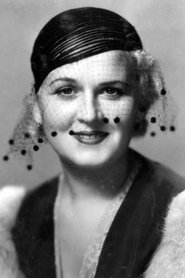
Vivien Oakland
Actor
Born: May 20, 1895 in San Francisco, California, USA Died: August 1, 1958 Active: 1915-1933 Birth Name: Vivian Ruth Anderson
Films
7 films

About Vivien Oakland
Prolific American character actress who became a familiar face in silent comedy shorts during the 1920s. Born Vivian Ruth Anderson in San Francisco, she began her film career in the mid-1910s and quickly established herself as a reliable supporting player in Hollywood comedies. Oakland found her niche at Hal Roach Studios, where she appeared in numerous comedy shorts alongside stars like Charley Chase, Harold Lloyd, and Laurel & Hardy. Her the crucial transition from silent films to talkies, demonstrating her adaptability as a performer. Over her nearly two-decade career, she appeared in more than 150 films, though often in uncredited or minor roles. Oakland retired from acting in the early 1930s, leaving behind a substantial body of work that exemplifies the importance of character actors in early Hollywood comedies.
The Craft
On Screen
Oakland was known for her versatility in comedic roles, often playing sophisticated society women, exasperated wives, or flustered mothers who became the butt of jokes. She possessed excellent comedic timing and could switch seamlessly between playing elegant high-society ladies and comically distressed housewives. Her expressive face and physical comedy skills made her particularly effective in silent films, where she could convey humor and emotion without dialogue. As a supporting actress, she excelled at playing the straight woman, providing the perfect foil to the zany antics of comedy stars.
Milestones
- Appeared in over 150 films during her career
- Regular performer at Hal Roach Studios
- Successfully transitioned from silent to sound films
- Worked with major comedy stars of the era
- Established herself as a reliable character actress in comedy shorts
Best Known For
Iconic Roles
Must-See Films
Working Relationships
Worked Often With
Studios
Why They Matter
Impact on Culture
Vivien Oakland represents the essential but often overlooked character actresses who formed the backbone of silent comedy production. While never achieving star status, her consistent performances across hundreds of shorts helped establish the comedic tropes and character dynamics that defined American silent comedy. Her work with Hal Roach Studios contributed significantly to the development of the comedy short format, which would later influence television sitcoms. Oakland's performances exemplify how skilled character acting elevated comedy shorts beyond mere slapstick, creating the foundation for character-driven comedy that persists in American entertainment.
Lasting Legacy
Though largely forgotten by mainstream audiences, Vivien Oakland's filmography provides valuable documentation of silent era comedy techniques and the crucial role of women in early Hollywood comedies. Her surviving performances serve as excellent examples of the skilled character acting that the best comedy shorts of the 1920s. Film historians and silent cinema enthusiasts recognize her as part of the talented ensemble that made Hal Roach Studios. Her work continues to be studied and appreciated by those researching the golden age of silent comedy.
Who They Inspired
Oakland influenced subsequent generations of character actresses through her demonstration of how supporting roles could be both professionally fulfilling and artistically significant. Her ability to consistently deliver believable performances in similar role types showed how character actors could find their niche and maintain long careers. Her work in establishing comedic archetypes, particularly the 'exasperated wife' or 'society lady,' provided templates that would be adapted and refined in later film and television comedies.
Off Screen
Vivien Oakland married actor Jack Richardson in 1925, and their marriage lasted until Richardson's death in 1957. The couple had no children. Oakland was known as a private individual who rarely discussed her personal life in public, focusing instead on her craft and maintaining steady employment in Hollywood's competitive film industry. After her husband's death, she lived quietly in Hollywood until her own passing the following year.
Education
No formal education records are available for Vivien Oakland, which was common for actors of her era who often entered the film industry without formal training.
Family
- Jack Richardson (1925-1957)
Did You Know?
- Her real name was Vivian Ruth Anderson, but she changed it to Vivien Oakland for her film career
- She appeared in more films than many leading actors of her era, though mostly in supporting roles
- Oakland was particularly skilled at playing the 'exasperated wife' character in domestic comedies
- She worked with both Laurel & Hardy and the Three Stooges during her career
- Despite being a prolific actress, she often didn't receive screen credit in many of her early films
- She successfully made the transition from silent films to talkies, unlike many of her contemporaries
- Oakland often played characters much older than her actual age, a common practice for character actresses
- She retired from acting shortly after the death of her husband Jack Richardson in 1957
- Many of her films have been lost due to the deterioration of nitrate film stock
- She was part of what historians call 'the Oaklands' - a group of actresses with similar names who worked in silent comedies
- Her performance in 'The Battle of the Century' (1927) is considered one of the classic Laurel & Hardy shorts
- She often played the same type of character across different studios, showing her typecasting as a reliable character actress
In Their Own Words
No famous quotes attributed to Vivien Oakland have been preserved in historical records, which was typical for supporting actresses of her era who rarely gave interviews or had their dialogue documented outside of film scripts.
Frequently Asked Questions
Who was Vivien Oakland?
Screen credits include over 150 films during the silent era and early sound period. She was particularly known for her work in comedy shorts, especially with Hal Roach Studios, where she often played sophisticated society women, wives, and mothers opposite comedy stars like Charley Chase and Harold Lloyd.
What films is Vivien Oakland best known for?
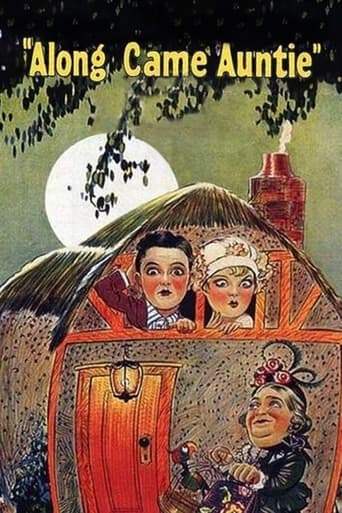
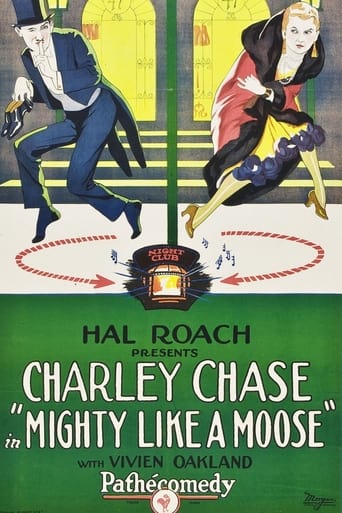
Titles linked here include Along Came Auntie (1926), Mighty Like a Moose (1926).
When was Vivien Oakland born and when did she die?
Born May 20, 1895; died August 1, 1958.
What awards did Vivien Oakland win?
Vivien Oakland did not receive major formal awards during her career, which was common for character actresses in the silent film era. Her recognition came from steady employment and the respect of her colleagues in the comedy film industry rather than official accolades.
What was Vivien Oakland's acting style?
Oakland was known for her versatility in comedic roles, with excellent timing and the ability to play both elegant society women and flustered housewives. As a silent film actress, she relied heavily on facial expressions and physical comedy to convey humor and character emotions effectively.
How many films did Vivien Oakland appear in?
During her career spanning from 1915 to 1933, Vivien Oakland appeared in more than 150 films, mostly in supporting roles. The majority of these were comedy shorts produced by Hal Roach Studios.
Did Vivien Oakland work with famous comedy teams?
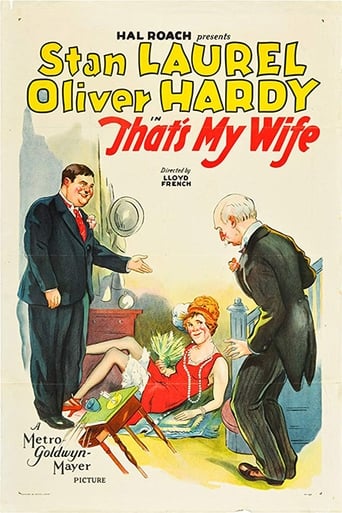
Yes, Oakland worked with many of the era's top comedy stars and teams, including Harold Lloyd, Charley Chase, Laurel & Hardy, and the Three Stooges. She was particularly valued for her ability to play the straight woman or the comedic foil in their routines.
What happened to Vivien Oakland's films?
Like many silent films, a significant portion of Oakland's work has been lost due to the deterioration of nitrate film stock and poor preservation practices in early Hollywood. However, many of her Hal Roach shorts survive and are occasionally screened at film festivals and available through home media releases.