


Along Came Auntie
"Divorce pretense for a rich aunt"
Keys: Space play/pause · ←/→ 10s · F fullscreen · M mute · </> speed
About this film
A divorced couple try to pretend they are still happily married in order to get $100,000 from the woman's divorce-disapproving aunt.
Cast & crew
More films like this
More Comedy films
View all →







More from Fred Guiol
View all →
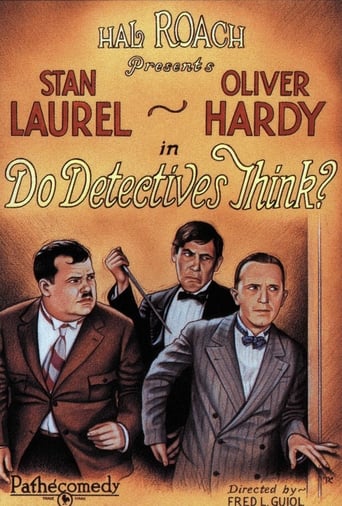
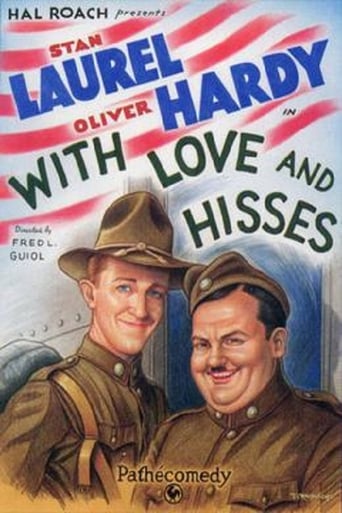
More about this film
About the production
Release dateJuly 25, 1926
ProductionHal Roach Studios
Filmed inLos Angeles, California
This was one of the many comedy shorts produced by Hal Roach Studios during the silent era, featuring Oliver Hardy before his partnership with Stan Laurel. The film was shot on the studio's backlot in Culver City, California, utilizing typical domestic sets that could be quickly rearranged for different productions. The production followed the efficient Hal Roach model of shooting comedy shorts in just a few days with minimal takes, focusing on physical comedy and visual gags that would translate well to silent film audiences.
Themes
Divorce and remarriageFamily dynamicsDeception for financial gainSocial conventions and hypocrisyThe conflict between appearance and reality
Themes & topics
divorceinheritancepretendingauntcomedy of errorsdeceptionfamily reunionmoneymarriagesilent comedy
Historical background
Exhibitors in 1926 booked Along Came Auntie through Hal Roach Studios as part of the era's steady flow of new releases.
Why this film matters
Archivists note that Along Came Auntie preserves period framing of a divorced couple try to pretend they are still happily married in order to get $100,000 f for modern comparison.
Making of
Behind the scenes, 'Along Came Auntie' was typical of the efficient production methods at Hal Roach Studios. The film was likely shot in just 2-3 days, a standard practice for comedy shorts of the era. Director Fred Guiol, who had a background in both directing and writing, brought his expertise in timing and physical comedy to the project. The cast, including Oliver Hardy in a supporting role, would have rehearsed extensively to perfect the physical gags and comedic timing essential to silent film comedy. The production utilized the studio's stock sets and props, allowing for quick changes between scenes. The film's title was likely chosen for its catchy, rhyming quality, a common practice in silent film marketing. The chemistry between the leads was crucial, as silent comedy relied heavily on visual storytelling and expressive performances to convey humor and emotion without dialogue.
What critics said
Trade coverage around 1926 treated Along Came Auntie as routine program material rather than a special event.
Did you know?
- This film was released before Oliver Hardy's famous partnership with Stan Laurel was officially formed, though they had appeared in some films together previously
- Director Fred Guiol would go on to direct several early Laurel and Hardy films, helping establish their comedic style
- The film was part of Hal Roach's extensive catalog of comedy shorts that dominated the 1920s film market
- Glenn Tryon was a popular leading man in comedy shorts during this period, often playing the romantic lead
- Vivien Oakland was a prolific actress in silent comedies, frequently playing the female lead in Hal Roach productions
- The $100,000 inheritance mentioned in the plot would be equivalent to over $1.5 million in today's currency
- Like many silent shorts of the era, the film was likely accompanied by live musical accompaniment during theatrical screenings
- The film was produced during the peak of silent comedy production, just before the transition to sound films
- Hal Roach Studios was known as 'The Lot of Fun' due to its focus on comedy productions
- The film's premise of pretending to be married for financial gain was a common trope in silent comedies
Visual style
The cinematography in 'Along Came Auntie' was typical of mid-1920s comedy shorts, utilizing static cameras with occasional pans to follow the action. The lighting was bright and even, essential for capturing the expressive performances and physical comedy that defined silent films. The film likely used the standard aspect ratio of the time (1.33:1) and was shot on black and white film stock. The camera work was functional rather than artistic, focusing on clearly presenting the comedic action and ensuring the actors' expressions were visible. Close-ups would have been used strategically to emphasize emotional moments or reactions, while wider shots would establish the physical comedy sequences. The cinematography prioritized clarity and readability over stylistic flourishes, as was common in comedy shorts where the humor needed to be immediately apparent to the audience.
Innovations
While 'Along Came Auntie' was not a groundbreaking film in terms of technical innovation, it represents the polished production techniques that Hal Roach Studios had perfected by the mid-1920s. The film demonstrates the efficient workflow and standardized techniques that made the studio successful in producing high-quality comedy shorts on a regular schedule. The editing would have been precise, with careful attention to comedic timing, a crucial element in making visual gags work effectively. The film showcases the sophisticated understanding of film language that had developed by this time, using techniques like match cuts and parallel action to enhance the comedy. The production values, while modest, were consistent with the high standards of major studios of the era, demonstrating the professionalism that characterized Hollywood's golden age of silent comedy.
Music
As a silent film, 'Along Came Auntie' did not have an original synchronized soundtrack. During its theatrical run, it would have been accompanied by live musical performance, typically a pianist or small theater orchestra. The accompaniment would have been chosen from standard compilations of mood music appropriate to comedies, with upbeat, playful themes for humorous scenes and more romantic or dramatic music for emotional moments. Some theaters might have used cue sheets provided by the studio, which suggested specific musical pieces for different scenes. The music would have been crucial in setting the tone and enhancing the comedic timing of the visual gags. Today, when the film is shown in archival screenings or on home video, it is typically accompanied by newly composed scores or period-appropriate music that recreates the silent film experience.
Famous quotes
As a silent film, 'Along Came Auntie' contains no spoken dialogue. The humor is conveyed through visual gags, facial expressions, and intertitle cards that would have contained brief text to advance the plot.
Memorable scenes
- The chaotic scene where the divorced couple must quickly rearrange their home and themselves to appear as a happily married couple when the aunt arrives unexpectedly, involving frantic cleaning, hiding divorce papers, and forcing themselves into awkward displays of affection while trying to maintain their composure.
What audiences thought
Audiences in 1926 generally received 'Along Came Auntie' well, as it provided the light entertainment and escapism they expected from comedy shorts. The film's premise of pretending to be married for money was relatable and humorous to contemporary audiences, who enjoyed seeing social conventions playfully subverted. The physical comedy and visual gags were particularly effective with silent film audiences, who had become sophisticated in reading visual humor. The presence of recognizable actors like Oliver Hardy, even before his Laurel and Hardy fame, would have been an additional draw for moviegoers. The film's short length (approximately 20 minutes) made it perfect for theater programming, where it would be shown as part of a varied bill of entertainment. Like most comedy shorts of the era, it was designed to appeal to a broad family audience and succeeded in providing laughs and entertainment during its theatrical run.
Film connections
Influenced by
- Earlier Hal Roach comedy shorts
- Mack Sennett comedies
- Domestic comedy traditions
- Vaudeville comedy routines
- Stage farce traditions
This film influenced
- Later Hal Roach productions
- Early Laurel and Hardy shorts
- 1930s domestic comedies
- Screwball comedies of the 1930s
Film restoration
Like many silent shorts, 'Along Came Auntie' has survived in archives and film collections, though it may not be widely available to the public. The film exists in the collections of major film archives and has been preserved as part of the effort to save America's silent film heritage. Some versions may be incomplete or show signs of deterioration, typical of films from this era. The film has likely been digitized as part of preservation efforts, ensuring its survival for future generations. While not as well-preserved as major feature films from the period, it remains accessible to film historians and enthusiasts through specialized screenings and archival collections.
Where to watch
- Film archives and special screenings
- Silent film festivals
- Some specialized streaming services dedicated to classic films
- DVD collections of Hal Roach shorts or Oliver Hardy's early work
- Library of Congress or other national film archive collections