
Tyler Brooke
Actor
Born: June 6, 1886 in New York City, New York, USA Died: March 2, 1943 Active: 1925-1943 Birth Name: Victor Hugo de Bierre
Films
8 films
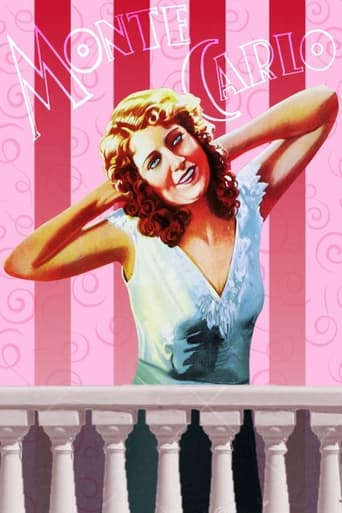
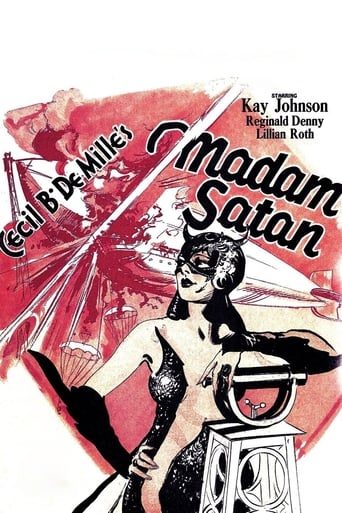
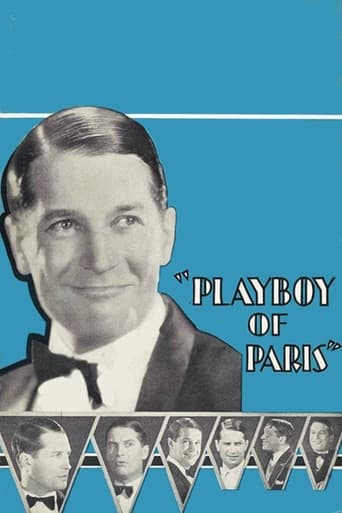
About Tyler Brooke
Tyler Brooke, born Victor Hugo de Bierre, was an American actor who rose to prominence during the silent film era of the 1920s. Beginning his entertainment career in vaudeville, he successfully transitioned to motion pictures where he became a familiar face in comedy shorts and features throughout the mid-to-late 1920s. Brooke specialized in character roles, often playing comic relief parts and supporting the leading comedians of the day with his expressive facial work and physical comedy skills. His most prolific period was from 1925 to 1929, during which he appeared in dozens of short comedies for various studios, particularly excelling in the fast-paced, gag-driven format popular at the time. While he successfully made the transition to sound films, his career trajectory shifted in the 1930s toward smaller character roles and uncredited appearances in major productions. He worked with many notable comedy teams and stars of the era, contributing significantly to the golden age of silent comedy with his reliable performances. His nearly two decades in Hollywood before his untimely death in 1943 at the age of 56.
The Craft
On Screen
Product of the silent film era, specializing in broad physical comedy and expressive facial performances that could convey emotion and humor without dialogue. His style was characterized by exaggerated gestures, comic timing, and the ability to quickly establish character types that audiences of the 1920s could immediately recognize. He excelled at playing the comic sidekick or the slightly befuddled character who often found himself in ridiculous situations, using his rubber-faced expressions and athletic physicality to enhance the comedic impact of scenes. His technique was typical of the Mack Sennett school of comedy, emphasizing rapid-fire gags, slapstick elements, and visual humor that translated well across language barriers.
Milestones
- Transition from successful vaudeville career to silent films in mid-1920s
- Prolific work in comedy shorts during 1925-1929 peak period
- Successful adaptation from silent to sound films
- Appearances in over 100 films throughout career
- Work with major comedy production companies of the era
Best Known For
Iconic Roles
Must-See Films
Working Relationships
Worked Often With
Studios
Why They Matter
Impact on Culture
Tyler Brooke contributed to the American silent comedy during its golden age, representing the type of reliable character actor who was essential to the success of comedy shorts and features. As part of the ensemble casts that populated the rapid-fire comedy productions of the mid-1920s, he helped establish the visual language of screen comedy that would influence generations of performers. His work exemplified the collaborative nature of silent film comedy, where supporting actors like Brooke were crucial in setting up and executing gags for the stars. Though not a headliner himself, his performances in numerous shorts helped create the comedic atmosphere that defined the era and entertained millions of moviegoers during the transition from vaudeville to cinema as America's primary form of popular entertainment.
Lasting Legacy
Tyler Brooke's legacy lies in his contribution to the vast body of silent comedy shorts that entertained audiences in the 1920s and helped establish many of the comedic conventions still used in film today. While not as remembered as the stars he supported, his work represents the essential foundation of ensemble comedy that made silent films so successful. His ability to successfully transition to sound films, albeit in smaller roles, demonstrates the adaptability required of actors during this revolutionary period in cinema history. Modern film historians and silent film enthusiasts recognize actors like Brooke as crucial components of the Hollywood studio system, providing the reliable character work that allowed stars to shine and productions to maintain consistent quality.
Who They Inspired
While Tyler Brooke was not primarily known as an innovator or major influence on other performers, his work exemplified the professional standards and techniques that character actors of the silent era developed and refined. His approach to physical comedy and expressive performance represented the best practices of the period, influencing subsequent generations of character actors who studied silent film techniques. His successful navigation of the silent-to-sound transition provided a model for other supporting actors facing similar challenges in the late 1920s and early 1930s. The sheer volume of his work helped establish patterns and tropes in comedy films that would be referenced and built upon by future filmmakers and performers.
Off Screen
Tyler Brooke led a relatively private personal life away from the Hollywood spotlight. Born into a family in New York City, he showed early interest in performing and began his career in vaudeville circuits before making the leap to motion pictures. He married and had children, though specific details about his family life remain scarce in historical records. His transition from New York to Hollywood coincided with the boom in silent film production, and he established himself as a reliable character actor. Like many performers of his era, he faced the challenge of adapting to the advent of sound films, which required different skills and often led to career disruptions for silent-era specialists. His death in 1943 cut short what might have been a longer career in character roles.
Education
Limited specific information available about formal education; likely trained through vaudeville experience and practical acting experience
Family
- Limited specific information available about marital history
Did You Know?
- Born Victor Hugo de Bierre but changed his professional name to Tyler Brooke for his film career
- Began his entertainment career in vaudeville before transitioning to silent films
- Appeared in over 100 films during his nearly two-decade career
- Successfully made the transition from silent films to talkies, unlike many of his contemporaries
- Specialized in comedy shorts during his peak period from 1925-1929
- Often played comic relief and supporting roles rather than leading parts
- Worked with multiple major comedy production companies including Mack Sennett and Hal Roach studios
- His career declined in the 1930s but he continued working in smaller, often uncredited roles
- Died at the relatively young age of 56 in 1943
- His films showcased the typical fast-paced, gag-driven style of mid-1920s comedy shorts
In Their Own Words
Limited specific documented quotes available for this supporting actor
Frequently Asked Questions
Who was Tyler Brooke?
American with credits in this catalog. Born Victor Hugo de Bierre, he began his career in vaudeville before transitioning to films, where he became a familiar face in numerous comedy productions throughout the mid-to-late 1920s.
What films is Tyler Brooke best known for?
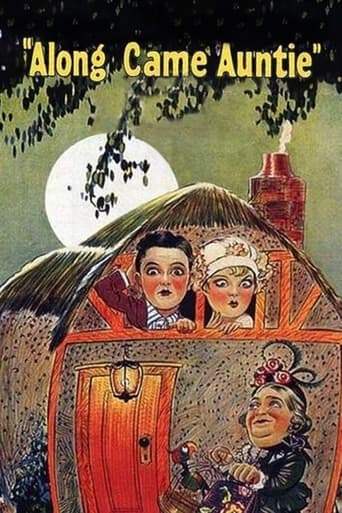
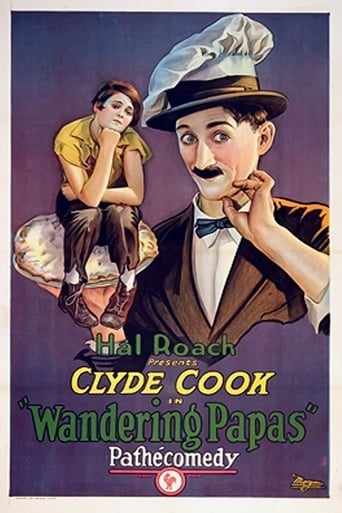
Titles linked here include Along Came Auntie (1926), Wandering Papas (1926).
When was Tyler Brooke born and when did he die?
Born June 6, 1886; died March 2, 1943.
What awards did Tyler Brooke win?
There are no records of Tyler Brooke receiving major awards or nominations during his career. Like many character actors of his era, his contributions were primarily recognized through consistent employment rather than formal accolades.
What was Tyler Brooke's acting style?
Tyler Brooke's acting style was typical of the silent film era, characterized by broad physical comedy, expressive facial work, and exaggerated gestures that could convey humor without dialogue. He specialized in comic relief roles and was adept at the rapid-fire gag format popular in 1920s comedy shorts.
How did Tyler Brooke transition from silent to sound films?
Tyler Brooke successfully made the transition from silent to sound films, though his career shifted toward smaller character roles in the 1930s. Unlike many silent-era actors whose careers ended with the advent of sound, he continued working in often uncredited parts in major productions throughout the 1930s and early 1940s.