

Madame Mystery
"Secret gas, bumbling thieves"
Keys: Space play/pause · ←/→ 10s · F fullscreen · M mute · </> speed
About this film
A female secret agent has gotten ahold of a new type of explosive gas. She has to avoid the efforts of two men who are trying to steal it. They succeed in doing so, but the gas turns out to be not quite what they expected.
Cast & crew
More films like this


More Comedy films
View all →






More from Richard Wallace
View all →
More about this film
About the production
Release dateJuly 25, 1926
Box officeNot specifically documented for this short film
ProductionHal Roach Studios
Filmed inHal Roach Studios, Culver City, California
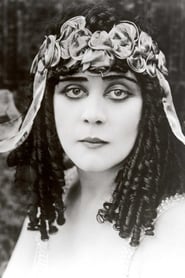
This was one of the final films of Theda Bara's career before her retirement from acting. The production was notable for being an attempt by Hal Roach to capitalize on Bara's fading fame by placing her in a comedy context, playing against her established 'vamp' persona. The film was shot as a standard two-reel comedy, approximately 20 minutes in length, typical of Hal Roach's comedy shorts of the mid-1920s.
Themes
Identity transformationEspionage and intrigueComedy of errorsDeception and misunderstandingThe clash between drama and comedy
Themes & topics
Historical background
Silent-era audiences encountered Madame Mystery around 1926, as studios refined cross-cutting and star-driven storytelling.
Why this film matters
Madame Mystery shows how silent filmmakers conveyed plot through gesture, title cards, and editing.
Making of
The production of 'Madame Mystery' was marked by Hal Roach's ambitious attempt to revive Theda Bara's career by placing her in a comedic context. Bara, who had been one of the biggest stars of the 1910s with her vamp persona in films like 'Cleopatra' and 'Salomé,' found her career declining by the mid-1920s as audience tastes shifted. Roach, known as the 'King of Comedy' for his successful short comedies, saw an opportunity to create buzz by pairing his comedy expertise with Bara's fading star power. The filming process reportedly went smoothly, with Bara adapting well to the comedic timing required for slapstick. James Finlayson, already a veteran of Roach's comedy factory, provided guidance on the physical comedy elements. The production team made sure to include visual gags that would play well in silent format, as this was during the height of the silent era just before the transition to sound. The film's modest budget and quick shooting schedule were typical of Roach's efficient production methods for comedy shorts.
What critics said
Press notices for Madame Mystery (1926) are sparse in digitized sources; interest today rests on preserved prints and comparison with related titles.
Did you know?
- This was Theda Bara's penultimate film before retiring from the movie industry completely
- James Finlayson, one of the male leads, would later become famous as a regular supporting actor in Laurel and Hardy comedies
- The film represents a rare comedic role for Theda Bara, who was almost exclusively known for dramatic 'vamp' roles
- Hal Roach Studios primarily produced comedy shorts, making this an unusual vehicle for a dramatic star of Bara's caliber
- Most of Theda Bara's films from her peak popularity in the 1910s are now lost, making this surviving short particularly valuable to film historians
- The film was part of Hal Roach's attempt to expand beyond his regular comedy stars like Harold Lloyd and the Our Gang kids
- The 'explosive gas' plot device was a common trope in silent comedies, often used for physical comedy and slapstick situations
- Theda Bara was paid significantly more than typical comedy short actors for, reflecting her star status despite her declining popularity
- The film's title plays on Bara's mysterious and exotic public image while signaling the comedic nature of the story
- This short was released during the transition period when many silent film stars were struggling to adapt to changing audience tastes
Visual style
The cinematography of 'Madame Mystery' was handled by the standard Hal Roach Studios camera department, employing the typical visual style of mid-1920s comedy shorts. The film utilized the standard 1.33:1 aspect ratio of the silent era. The lighting was bright and even, characteristic of comedy productions that needed to clearly show physical gags and facial expressions. The camera work included medium shots for dialogue and wider shots for physical comedy sequences, allowing the audience to fully appreciate the slapstick elements. The cinematographer made sure to capture Theda Bara's famous screen presence while also accommodating the needs of the comedy format. The film included typical silent era intertitles with art deco styling that was popular in 1926. The visual composition balanced Bara's glamorous presence with the more exaggerated physical comedy of her co-stars, creating a visual harmony between the dramatic and comedic elements.
Innovations
While 'Madame Mystery' was not groundbreaking in its technical aspects, it demonstrated the high level of craftsmanship typical of Hal Roach Studios productions. The film utilized the standard 35mm film format of the era with the typical frame rate of 16-18 frames per second for silent films. The production employed the efficient shooting methods that made Hal Roach famous for his economical but high-quality output. The special effects involving the 'explosive gas' were achieved through practical means typical of the period, likely using smoke effects and props. The film's editing followed the established rhythm of comedy shorts, with quick cuts during physical comedy sequences to enhance the humor. The intertitles were produced using standard letterpress techniques of the era. While not technically innovative, the film represents the polished production values that major comedy studios had achieved by the mid-1920s.
Music
As a silent film, 'Madame Mystery' did not have an original synchronized soundtrack. However, like all films of this era, it would have been accompanied by live musical performance during theatrical exhibition. The typical accompaniment for a Hal Roach comedy short would include a pianist or small theater orchestra playing popular songs of the day, classical pieces, and specially compiled cue sheets that matched the on-screen action. The music would have been upbeat during comedy sequences, more mysterious during spy elements, and frantic during chase scenes. For modern screenings, the film is typically accompanied by improvised piano or compiled period-appropriate music. The lack of original recorded music is standard for films of this period, with the first feature films with synchronized sound not appearing until 1927.
Famous quotes
The most dangerous weapon can be the one you least expect!
In the world of espionage, nothing is ever as it seems.
Laughter can be more explosive than any gas!
Memorable scenes
- The climactic scene where the thieves finally open the gas container and discover it's laughing gas, leading to uncontrollable laughter from everyone in the room
- Theda Bara's introduction as the mysterious Madame Mystery, playing on her famous vamp persona but with comedic undertones
- The elaborate slapstick sequence where the two male leads attempt various clumsy methods to steal the gas from Bara's character
- The final shot of the formerly serious spies rolling on the floor in hysterical laughter, subverting the typical spy film ending
What audiences thought
Audience reception to 'Madame Mystery' in 1926 was generally favorable, particularly among viewers who remembered Theda Bara from her vamp roles of the previous decade. The novelty of seeing the famous femme fatale in a comedy context drew significant initial interest, though the film's success was moderate compared to Hal Roach's regular comedy offerings. Moviegoers appreciated the physical comedy and the twist ending with the laughing gas, which provided the expected payoff for a comedy short. The film performed well enough in theaters to justify its production costs, though it didn't achieve the level of popularity of Harold Lloyd or Charley Chase comedies from the same period. Modern audiences who have had the opportunity to see the film through film society screenings or archival presentations generally find it charming as a historical artifact that both Bara's screen presence and the comedy style of the era.
Film connections
Influenced by
- The spy films of the 1910s and 1920s
- Theda Bara's vamp persona from her earlier films
- Hal Roach's established comedy short formula
- Slapstick traditions from Mack Sennett comedies
- Popular spy fiction of the era
This film influenced
- Later spy comedies that blended action with humor
- Films featuring dramatic stars in comedic roles
- Subsequent Hal Roach productions that experimented with genre mixing
Film restoration
The preservation status of 'Madame Mystery' is relatively good for a film of its era. Unlike many of Theda Bara's earlier films from the 1910s (most of which are lost), this 1926 short has survived in archives. The film exists in 35mm prints at several film archives, including the Museum of Modern Art in New York and the UCLA Film & Television Archive. While the original camera negative may no longer exist, preservation copies have been made from surviving prints. The film has been included in various silent film retrospectives and Theda Bara career surveys. Some deterioration is present in available copies, typical of nitrate film from this period, but the film remains viewable and complete. Digital restoration has not been widely undertaken, likely due to its status as a short film rather than a feature, but it remains accessible to researchers and silent film enthusiasts through archival screenings.
Where to watch
- The film is occasionally screened at silent film festivals and archival cinema presentations
- Some specialized film archives may provide viewing access for researchers by appointment
- The film may be available through certain educational film distribution services
- Occasionally appears in curated streaming collections of silent comedies or Theda Bara retrospectives
- Film society screenings sometimes include this short as part of silent comedy programs