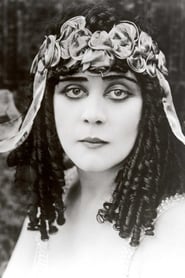
Theda Bara
Actor
Born: July 29, 1885 in Cincinnati, Ohio, USA Died: April 7, 1955 Active: 1914-1926 Birth Name: Theodosia Burr Goodman
Films
6 films

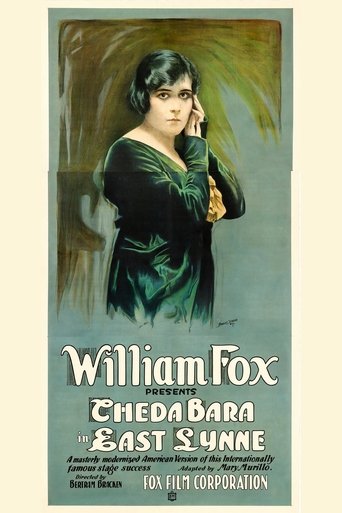
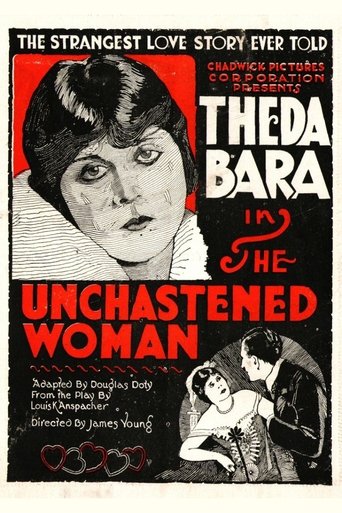
About Theda Bara
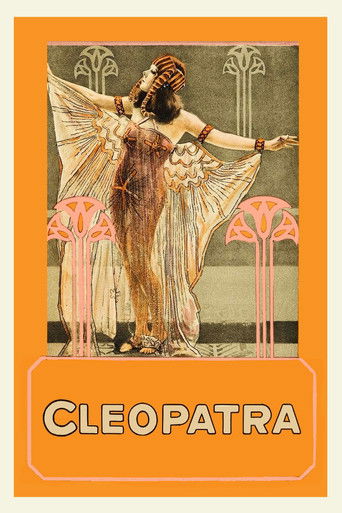
Theda Bara, born Theodosia Burr Goodman, was and influential stars of the silent film era, best known as cinema's first sex symbol and 'The Vamp.' She rose to international fame with her breakthrough role in 'A Fool There Was' (1915), which introduced the vamp archetype to audiences worldwide and made her an overnight sensation. Working primarily for Fox Film Corporation, Bara became one of the highest-paid actresses of her time, commanding salaries that rivaled those of Charlie Chaplin and Mary Pickford. Her career peaked between 1915-1919 with a string of successful films including 'Cleopatra' (1917), 'Salomé' (1918), and 'Madame DuBarry' (1917), where she specialized in playing seductive, dangerous women who preyed on their male victims. As the 1920s progressed and audience tastes changed, her vamp persona fell out of favor, and her career declined despite attempts to diversify her roles. She made only a few sound films before retiring from acting in 1926, after which she largely disappeared from public life. Tragically, most of her films were lost in the 1937 Fox vault fire, making her legacy even more mysterious and in film history.
The Craft
On Screen
Theda Bara's acting style was quintessentially theatrical and exaggerated, typical of the silent era but uniquely intense and seductive. She mastered the art of using her eyes and facial expressions to convey dangerous sexuality and mysterious allure, often employing heavy kohl eyeliner that became her signature look. Her movements were deliberate and snake-like, with graceful hand gestures and body language that suggested both danger and irresistible temptation. Bara specialized in portraying the vamp character - a seductive woman who used her sexuality to manipulate and destroy men - and she brought a hypnotic, almost supernatural quality to these roles. Despite the limitations of silent film, she could convey complex emotions through subtle changes in expression, from predatory desire to mock innocence, creating a multifaceted portrait of feminine power that was both threatening and captivating.
Milestones
- Breakthrough role in 'A Fool There Was' (1915) establishing the vamp archetype
- Became Fox Film Corporation's biggest star and highest-paid actress
- Starred in the epic 'Cleopatra' (1917),
- Named one of the top box office stars in the world for several consecutive years
- Successfully transitioned from stage to film career
- Pioneered the femme fatale character type in cinema
Best Known For
Iconic Roles
Must-See Films
Accolades
Special Recognition
- Hollywood Walk of Fame star at 6657 Hollywood Boulevard
- Posthumous induction into the National Film Registry for 'A Fool There Was'
- Featured on a United States postage stamp as part of the Legends of Hollywood series
- Honored by the Museum of Modern Art for contributions to cinema
- Recognized by the American Film Institute as one of the greatest female stars of Classic Hollywood cinema
Working Relationships
Worked Often With
Studios
Why They Matter
Impact on Culture
Theda Bara's cultural impact was revolutionary for early cinema and society at large. She essentially created and popularized the 'vamp' archetype, establishing the femme fatale as a enduring character type in film that would influence countless movies and actresses for decades. Her portrayal of sexually autonomous women who used their power over men was both shocking and liberating for 1910s audiences, challenging Victorian-era notions of female sexuality and paving the way for more complex representations of women on screen. Bara's exotic, mysterious persona - complete with fabricated stories about her being an Arabian princess or Egyptian descendant - demonstrated early Hollywood's mastery of star creation and public relations. Her influence extended beyond film into fashion, with her dark eyeliner, revealing costumes, and seductive style inspiring women's fashion and beauty trends. The term 'vamp' entered the popular lexicon because of her, becoming shorthand for any seductive, dangerous woman. Her success also proved that female-led films could be massive box office draws, helping establish women as bankable stars in the emerging film industry.
Lasting Legacy
Theda Bara's legacy is both profound and tragic, as she remains. As cinema's first sex symbol and the originator of the vamp character, she fundamentally shaped how female sexuality would be portrayed in American film for generations. Her influence can be seen in the work of later femme fatale actresses from Marlene Dietrich to Rita Hayworth and beyond. The mystery surrounding her lost films has only enhanced her legendary status, making her a fascinating subject for film historians and classic cinema enthusiasts. Bara demonstrated the power of star branding and persona creation in early Hollywood, techniques that would become standard industry practice. Her career represents both the possibilities and limitations for women in early cinema, as she achieved unprecedented fame and financial success while being typecast in roles that reflected societal anxieties about female independence. Today, she is remembered as a trailblazer who pushed boundaries of on-screen sexuality and helped establish the template for the modern movie star.
Who They Inspired
Theda Bara directly influenced the development of the femme fatale archetype in cinema, inspiring generations of actresses who followed in her footsteps. Her distinctive makeup style, particularly the heavy kohl-rimmed eyes, became a signature look for dangerous women in film and continues to influence beauty and fashion trends. Later Hollywood icons like Marlene Dietrich, Greta Garbo, and Hedy Lamarr all drew elements from Bara's mysterious, exotic persona. Film noir directors of the 1940s and 1950s built upon the vamp character she created, developing more complex versions of the seductive, dangerous woman. Her success also influenced studio executives to recognize the commercial potential of female-led films and sex appeal in marketing. Contemporary actresses who play femme fatale roles, from Angelina Jolie to Eva Green, owe a debt to Bara's work. Even outside of cinema, her impact can be seen in literature, comic books, and popular culture's continued fascination with the dangerous seductress character type.
Off Screen
Theda Bara led a relatively private personal life despite her public image as a dangerous seductress. She married British film director Charles Brabin in 1921, and their marriage lasted until her death in 1955, though they had no children. Unlike her vamp persona, Bara was described by friends as a warm, intelligent, and cultured woman who enjoyed reading, painting, and classical music. She was deeply devoted to her parents and lived with them for many years even after becoming a star. After retiring from films, she invested wisely in real estate and lived comfortably in Los Angeles, largely avoiding the spotlight. She was known for her wit and intelligence, speaking several languages and maintaining friendships with many Hollywood figures throughout her life.
Education
Attended Hughes High School in Cincinnati, later studied at the University of Cincinnati for two years before leaving to pursue acting. She also took drama classes and studied music and art, which helped her develop the sophisticated persona she would later use in her film career.
Family
- Charles Brabin (1921-1955)
Did You Know?
- Her stage name 'Theda Bara' was an anagram for 'Arab Death,' created by Fox studio publicists
- Fox Film Corporation fabricated an elaborate backstory claiming she was the daughter of an Arabian princess and a French artist
- She was one of the first actors to have a personal publicist and was a pioneer of celebrity branding
- At the height of her fame, she received over 1,000 fan letters per day
- She was paid $4,000 per week in 1917 (equivalent to over $80,000 today), making her one of Hollywood's highest-paid stars
- Most of her films were lost in the 1937 Fox vault fire; only a handful of her 40+ films survive today
- She was a vegetarian and practiced yoga, unusual for her time
- She spoke fluent French and German, which helped her cultivate her sophisticated, exotic image
- Her famous line 'Kiss me, my fool!' from 'A Fool There Was' became
- She was the first actor to have a personal makeup artist and was known for doing much of her own makeup
- Despite her vamp image, she was known for being extremely professional and prepared on set
- She turned down the lead role in 'The Sheik' (1921), which made Rudolph Valentino a star
In Their Own Words
"Kiss me, my fool!" - Famous line from 'A Fool There Was' (1915)
"I am the woman men love but cannot have" - Describing her vamp persona
"To be good is to be forgotten. To be bad is to be remembered" - On playing villainous roles
"The public wants to see me as a vampire, and I am happy to oblige" - On her typecasting
"I have never been a vamp in real life. I have always been a good girl" - Contrasting her public image with her private self", ""I am not what I seem, and what I seem is not what I am" - On the mystery of her persona", ""Men are fools and women are vamps. That is the law of nature" - Character philosophy from her films" ],
controversies
Theda Bara faced significant controversy during her career due to the provocative nature of her vamp characters. Many conservative groups and religious organizations condemned her films as immoral and corrupting, particularly concerned about her influence on young women. The censorship boards of several states cut or banned her films entirely. Her 1917 film 'Cleopatra' was particularly controversial for its revealing costumes and suggestive scenes, leading to widespread protests and calls for boycotts. There were also rumors and sensationalized newspaper stories about her supposed off-screen affairs and wild lifestyle, though these were largely fabricated to enhance her dangerous image. The biggest controversy surrounding her career was the deliberate deception by Fox studios about her background, which some critics felt was dishonest, though this was common practice in early Hollywood publicity.
externalLinks
faq