
A Fool There Was
"1915 film by Frank Powell"
Keys: Space play/pause · ←/→ 10s · F fullscreen · M mute · </> speed
About this film
It popularised the word vamp , which describes a femme fatale who causes the moral degradation of those she seduces, first fascinating and then exhausting her victims. Upon release, the film was long considered controversial for such risqué intertitle cards as "Kiss me, my fool!" A Fool There Was is one of the few extant films featuring Theda Bara. In 2015, the United States Library of Congress selected the film for preservation in the National Film Registry, finding it "culturally, historically, or aesthetically significant".
Cast & crew
More films like this
More Drama films
View all →







More from Frank Powell
View all →

More about this film
About the production
Release dateJanuary 12, 1915
Budget$18,500
Box office$450,000 (extraordinary for the time)
ProductionFox Film Corporation
Filmed inFox Studio, Fort Lee, New Jersey, New York City locations
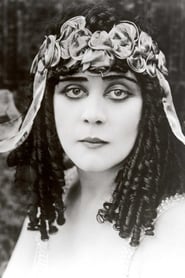
The film was shot in just 12 days with a relatively small budget but became Fox's biggest hit of 1915. Theda Bara's makeup was revolutionary for the time - dark eyeshadow created by using burnt cork and her famous look was carefully crafted to appear exotic and dangerous. The film's success led to the creation of the 'vamp' character type in cinema, named after the vampire-like seductress Bara portrayed.
Themes
Temptation and moral corruptionThe destructive power of unchecked desireFamily values versus personal gratificationThe double standard of sexuality in early 20th century AmericaThe dangers of foreign influence and exoticism
Themes & topics
Historical background
A Fool There Was (1915) circulated in the silent era. It popularised the word vamp , which describes a femme fatale who causes the moral degradation of those she seduces, first fascinating and then exhausting her victims. Contemporary trade papers and later preservation notes document its place among nickelodeon and cinema-club programs.
Why this film matters
A Fool There Was remains accessible to researchers and viewers as a screen title in museum, archive, and streaming collections. It popularised the word vamp (short for vampire), which describes a femme fatale who causes the moral degradation of those she seduces, first fascinating and then exhausting her victims.
Making of
The production was remarkably quick and inexpensive, shot in just 12 days at Fox's studio in Fort Lee, New Jersey. Director Frank Powell, who had previously worked at Biograph with D.W. Griffith, recognized the potential in the story and fought to cast the relatively unknown Theda Bara. Fox Studios launched an elaborate publicity campaign for Bara, creating a false backstory claiming she was an Arabian princess with occult powers. The film's most famous scene, where Bara's character hypnotizes Schuyler with her eyes, was achieved through innovative close-up techniques and careful lighting. The production faced some censorship challenges due to its controversial subject matter, but Fox successfully argued that the film served as a moral warning against temptation.
What critics said
Day-one reviews for A Fool There Was are sparse in digitized press archives; later criticism treats it as a reference point for 1915 cinema programming and preservation.
Did you know?
- The film was based on a 1909 play by Porter Emerson Browne, which itself was adapted from Rudyard Kipling's poem 'The Vampire'
- Theda Bara's famous stage name was an anagram for 'Arab Death' - a publicity stunt created by Fox Studios
- The film's success made Theda Bara the first true sex symbol of American cinema and one of the highest-paid actresses of the 1910s
- The famous line 'Kiss me, my fool!' was not actually in the original script but was added during filming
- The film was so successful that it saved the Fox Film Corporation from bankruptcy
- Bara's vamp character wore heavy makeup including dark eyeshadow made from burnt cork, which was unusual for actresses of the time
- The film's poster featuring Bara with the caption 'The Vampire' became defining images of silent cinema
- Only a few copies of the film survive today, with the most complete version missing several scenes
- The film's success spawned numerous imitators and established the 'vamp' as a stock character in early Hollywood
- Edward José, who played John Schuyler, was a Belgian actor who had previously worked in European films
Awards & recognition
- No major awards were given for this film as the Academy Awards were not established until 1929
Visual style
The film utilized innovative close-up shots to emphasize the emotional intensity of key scenes, particularly those featuring Bara's hypnotic gaze. Cinematographer John W. Noble employed dramatic lighting techniques, using shadows to enhance the mysterious and dangerous atmosphere surrounding the Vampire character. The film made effective use of intertitles to convey dialogue and narrative progression, with some titles featuring stylized lettering to match the film's dramatic tone. The ocean liner scenes were particularly well-shot, using the confined space to create tension and claustrophobia.
Innovations
The film pioneered several techniques that would become standard in cinema, including the use of dramatic close-ups to convey psychological states. The makeup design for Theda Bara's character was revolutionary, creating a distinctive look that would influence film makeup for decades. The film's editing techniques, particularly the cross-cutting between the suffering family and the corrupting influence of the Vampire, were sophisticated for their time. The production also demonstrated the commercial potential of creating a distinctive star persona through carefully crafted publicity and visual presentation.
Music
As a silent film, 'A Fool There Was' would have been accompanied by live musical performances in theaters. The original score was composed by William Furst, who created dramatic leitmotifs for different characters - a seductive, exotic theme for the Vampire and a more traditional, romantic theme for the Schuyler family. Theater orchestras were provided with detailed cue sheets indicating which music to play for each scene. The score emphasized the film's moral themes through its contrast between the 'good' family music and the 'evil' seduction themes.
Famous quotes
Kiss me, my fool!
You are mine - body and soul!
I am what I am - and what I am is a woman who knows what she wants!
There are no good women - there are only bad women and those who haven't been discovered yet.
Memorable scenes
- The first encounter on the ocean liner where the Vampire first spots John Schuyler and declares him her next victim
- The hypnotic seduction scene where Bara uses her intense gaze to entrance Schuyler
- The heartbreaking scene where Schuyler's wife discovers his betrayal through a newspaper
- The final confrontation scene where the Vampire abandons the broken Schuyler for her next conquest
- The iconic poster shot where Bara reclines seductively with the caption 'The Vampire'
What audiences thought
The film was a massive commercial success, becoming one of the biggest hits of 1915 and earning extraordinary returns on its small investment. Audiences were shocked and fascinated by Theda Bara's portrayal of the unapologetic seductress, with women particularly drawn to her powerful and independent character. The film sparked nationwide discussions about morality and the dangers of temptation. Many theaters reported record attendance, and the film's success led to increased demand for more daring and sophisticated content in motion pictures. The character became so popular that 'vamp' entered the popular vocabulary as a term for a seductive woman.
Film connections
Influenced by
- Rudyard Kipling's poem 'The Vampire'
- Porter Emerson Browne's stage play adaptation
- European decadent literature of the late 19th century
- The growing fascination with Freudian psychology and psychoanalysis
- Victorian melodrama traditions
This film influenced
- Carmen (1915)
- The Devil's Daughter (1915)
- The Soul of a Magdalen (1917)
- The Siren (1917)
- The Scarlet Lady (1919)
- Numerous vamp films of the late 1910s and 1920s
- Later femme fatale films including film noir classics
Film restoration
The film is partially preserved with several scenes missing. The most complete version runs about 67 minutes but is believed to be missing approximately 15-20 minutes of original footage. The Library of Congress holds a 35mm print, and the film has been preserved by several archives including the Museum of Modern Art and the UCLA Film and Television Archive. A restored version was released on DVD by Kino International, featuring a new musical score.
Where to watch
- Available on DVD from Kino Classics
- Streaming on The Criterion Channel
- Available for rental on Amazon Prime Video
- Can be viewed on YouTube through public domain uploads
- Available through various classic film streaming services