
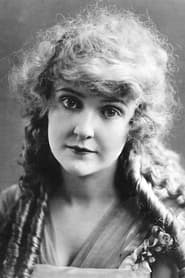
May Allison
Actor
Born: June 14, 1890 in Rising Fawn, Georgia, USA Died: March 27, 1989 Active: 1915-1922
Films
1 film
About May Allison
American actress who rose to prominence during the silent film era, particularly in the mid-1910s. Born in Georgia in 1890, she began her film career in 1915 with a role in the film 'A Fool There Was,' which starred Theda Bara and helped establish the 'vamp' archetype in cinema. Allison quickly became a popular leading lady, forming a celebrated on-screen partnership with actor Harold Lockwood in numerous romantic dramas for American Film Company. Their chemistry proved so successful that they were paired in multiple films throughout 1915 and 1916, making them popular screen couples of the period. After Lockwood's tragic death from the Spanish flu in 1918, Allison continued her career but never quite recaptured the same level of success. She made her final film appearance in 1922 before retiring from the entertainment industry at the relatively young age of 32. Allison spent the remainder of her long life away from the public eye, passing away in 1989 at the age of 98, having lived through nearly the entire history of cinema.
The Craft
On Screen
May Allison was known for her natural, understated acting style that contrasted with the more theatrical performances common in silent films. She brought a sense of authenticity and emotional depth to her roles, particularly in romantic dramas where her expressive eyes and subtle gestures conveyed complex emotions. Her screen presence was described as gentle yet compelling, making her particularly effective in melodramatic roles. Allison's acting technique emphasized emotional realism over exaggerated gestures, which made her performances feel more contemporary and relatable to audiences of her time.
Milestones
- Breakthrough role in 'A Fool There Was' (1915)
- Formed popular screen partnership with Harold Lockwood
- Starred in over 20 films during her career
- Leading lady for American Film Company
- Successful transition from supporting roles to leading roles
Best Known For
Iconic Roles
Must-See Films
Working Relationships
Worked Often With
Studios
Why They Matter
Impact on Culture
May Allison contributed to the development of romantic melodrama in silent cinema, helping establish the template for on-screen chemistry and romantic partnerships that would influence future film pairings. Her work with Harold Lockwood demonstrated the commercial viability of recurring screen couples, a concept that would become a staple of Hollywood programming. Though her career was brief, her natural acting style represented a move toward more subtle, realistic performances in silent film, away from the theatrical gestures of earlier cinema. Her appearance in 'A Fool There Was' placed her at the forefront of a film that helped establish the vamp archetype and influenced how female sexuality was portrayed in early cinema.
Lasting Legacy
May Allison's legacy lies primarily in her contribution to the golden age of silent cinema and her role in popularizing the romantic drama genre. While she is not as widely remembered as some of her contemporaries, her work represents an important transitional period in American film history when acting styles were evolving toward greater naturalism. Her partnership with Harold Lockwood remains a subject of interest for silent film enthusiasts and historians studying early Hollywood star pairings. The fact that she lived to be nearly 100 years old made her one of the last surviving stars from the earliest days of American feature films, providing a living link to cinema's formative years.
Who They Inspired
Allison's naturalistic acting approach influenced subsequent generations of actresses who sought to bring more authenticity to their performances. Her successful screen partnership with Harold Lockwood helped establish the commercial value of recurring romantic pairings in cinema, a concept that would be replicated throughout Hollywood history. While she did not directly mentor other actors, her work style and career choices provided a model for actresses seeking to balance artistic integrity with commercial success in the emerging film industry.
Off Screen
May Allison married Robert Ellis, an actor and director, in 1920, but the marriage ended in divorce in 1923. In 1926, she married James R. Bickford, a wealthy businessman, and this marriage lasted until his death in 1969. After retiring from films, Allison focused on her personal life and philanthropic work, largely staying out of the public eye. She had no children and spent her later years in California, living a quiet life away from Hollywood. Despite her brief career, she maintained interest in cinema throughout her long life, living to see the transition from silent films to modern cinema.
Education
Limited information available about her formal education, but she likely received standard education for the period in Georgia before moving to pursue acting
Family
- Robert Ellis (1920-1923)
- James R. Bickford (1926-1969)
Did You Know?
- She appeared in the same film that made Theda Bara a star ('A Fool There Was')
- Her on-screen partnership with Harold Lockwood was
- She retired from acting at age 32, making her career span only 7 years
- She lived to be 98 years old, outliving nearly all of her silent film contemporaries
- Her second marriage was to a wealthy businessman, which allowed her to live comfortably after leaving Hollywood
- She was one of the few silent film stars to successfully transition out of acting without financial difficulties
- Despite her popularity during her career, she never made the transition to sound films
- She was born in the same year as several other silent film legends who would become more famous than her
- Her film 'Purity' (1916) was considered controversial at the time for its artistic nude scenes
- She was often described by contemporary critics as having 'a gentle, ethereal quality' on screen
In Their Own Words
I found that the screen was not my true calling, though I enjoyed my time in the spotlight
Working with Harold Lockwood was a privilege; he taught me much about the art of film acting
The silent era was a magical time, when we had to express everything through our eyes and gestures
Frequently Asked Questions
Who was May Allison?
American actress who worked in silent films during the mid-1910s to early 1920s. She was best known for her roles in romantic dramas and her popular screen partnership with actor Harold Lockwood. Though her career was relatively brief, she was a significant figure during the transitional period of early American cinema.
What films is May Allison best known for?
Titles linked here include A Fool There Was (1915), The Other Side of the Fence (1916).
When was May Allison born and when did she die?
Born June 14, 1890; died March 27, 1989.
What awards did May Allison win?
May Allison did not receive any major formal awards during her career, as the award systems we know today were not yet established during the peak of her career in the 1910s. Her recognition came primarily from popular acclaim and box office success.
What was May Allison's acting style?
May Allison was known for her natural and understated acting style, which contrasted with the more theatrical performances common in silent films. She emphasized emotional realism and subtle gestures, particularly excelling in romantic dramas where her expressive presence conveyed complex emotions effectively.