
Creighton Hale
Actor
Born: May 24, 1889 in Cork, Ireland Died: August 9, 1959 Active: 1914-1942 Birth Name: Patrick Creighton Hale FitzGerald
Films
15 films
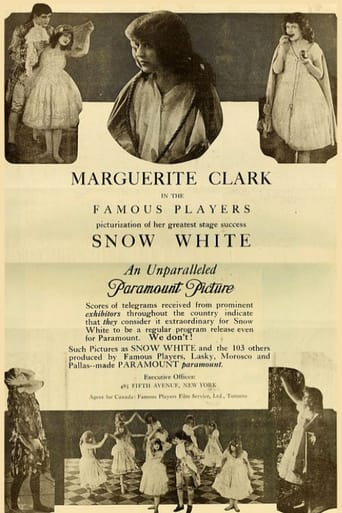
Snow White
1916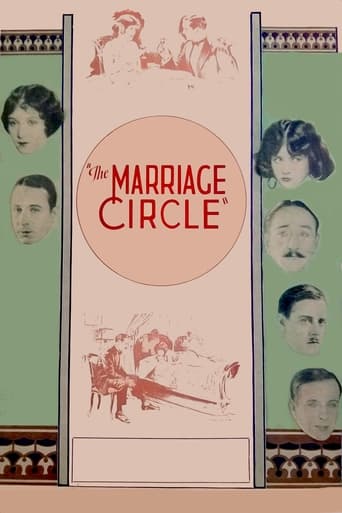
The Marriage Circle
1924
A Fool There Was
1915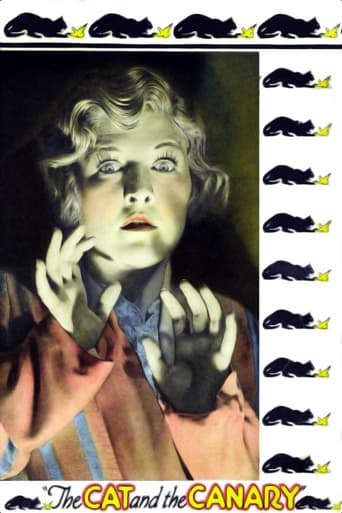
The Cat and the Canary
1927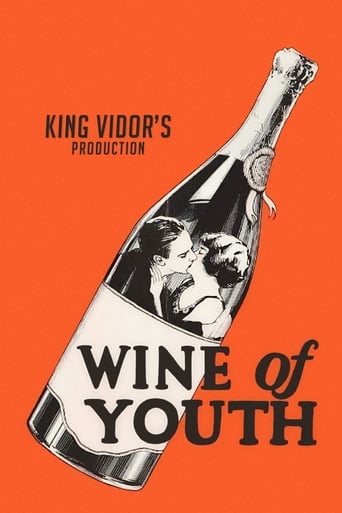
Wine of Youth
1924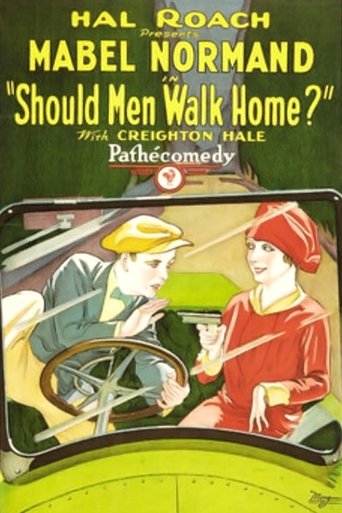
Should Men Walk Home?
1927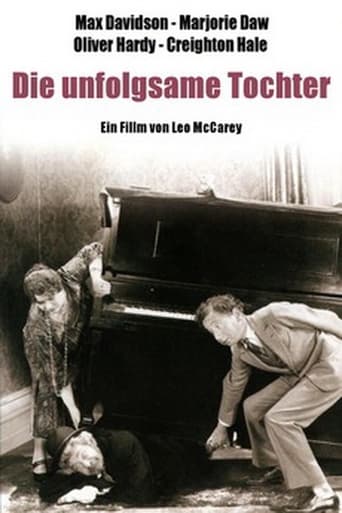
Why Girls Say No
1927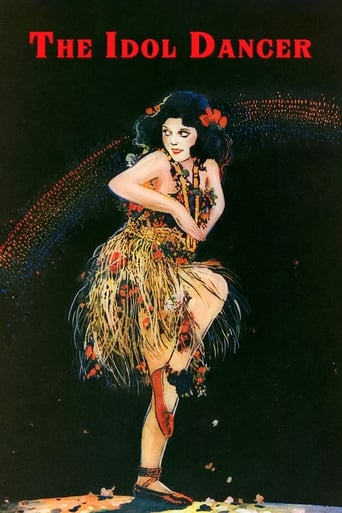
The Idol Dancer
1920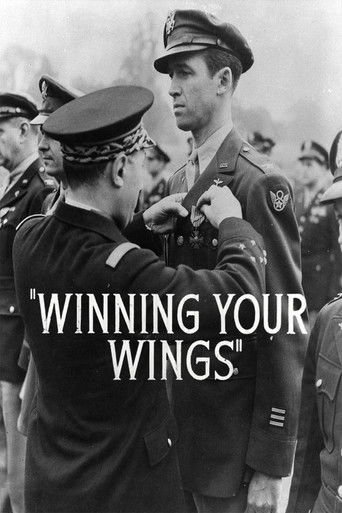
Winning Your Wings
1942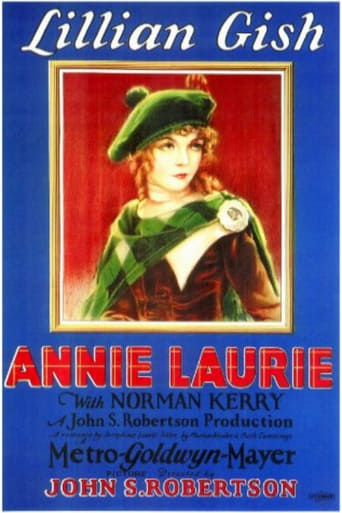
Annie Laurie
1927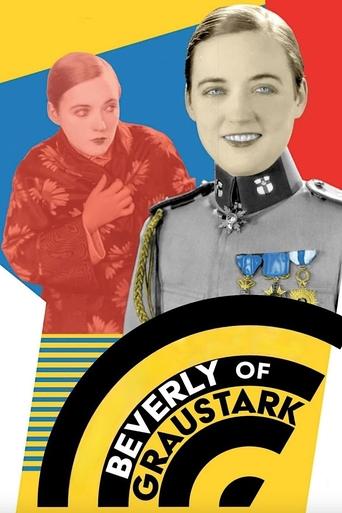
Beverly of Graustark
1926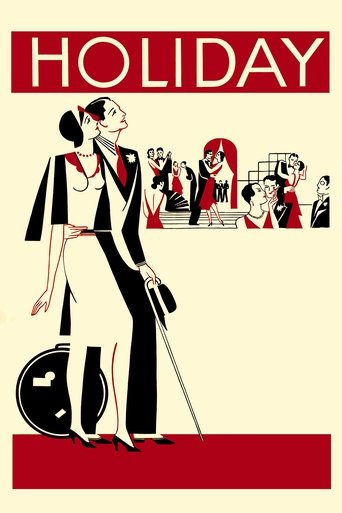
Holiday
1930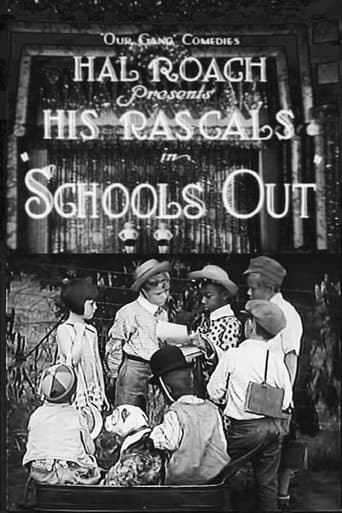
School's Out
1930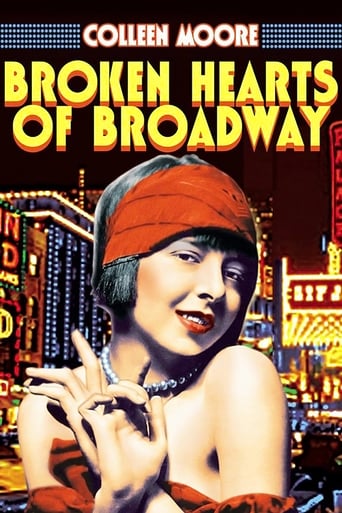
Broken Hearts of Broadway
1923About Creighton Hale
Irish-American actor who enjoyed a remarkably long career spanning the silent era through the early sound period of Hollywood. Born in County Cork, Ireland, he immigrated to the United States and began his career on the Broadway stage before transitioning to films around 1914-1915. Hale quickly established himself as a reliable character actor and occasional leading man, working with some of the most prominent directors of his era including D.W. Griffith, Ernst Lubitsch, and Paul Leni. His distinctive appearance—tall, thin, with expressive eyes and a nervous energy—made him particularly suited for comedy roles and psychological thrillers. Hale successfully navigated the challenging transition from silent films to talkies, though his roles became increasingly smaller as his career progressed. Creighton appears in over 200 films throughout his career, often in uncredited parts during his later years. Despite never achieving major stardom, Hale's versatility and longevity made him one of Hollywood's most recognizable character actors during the Golden Age.
The Craft
On Screen
Creighton Hale was known for his nervous, energetic acting style that perfectly suited both comedy and horror genres. In silent films, he utilized exaggerated facial expressions and body language to convey emotion, particularly excelling at portraying timid, anxious characters who found themselves in extraordinary circumstances. His tall, lanky frame and wide-eyed expression made him ideal for the role of the vulnerable protagonist in horror films like The Cat and the Canary. In comedies, particularly those directed by Ernst Lubitsch, Hale demonstrated a subtle wit and timing that translated well to the sophisticated humor of the era. His transition to sound films was aided by his clear, pleasant voice and ability to adapt his more theatrical silent-era techniques to the more naturalistic style required by talkies.
Milestones
- Breakthrough role in A Fool There Was (1915)
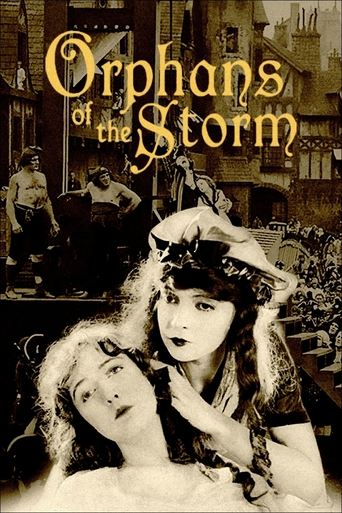
- Starred in D.W. Griffith's Orphans of the Storm (1921)
- Leading role in Ernst Lubitsch's The Marriage Circle (1924)
- Memorable performance in The Cat and the Canary (1927)
- Appeared in Universal's horror cycle including The Man Who Laughs (1928)
- Successfully transitioned from silent films to talkies
- Appeared in over 200 films during his 28-year career
Best Known For
Iconic Roles
Must-See Films
Accolades
Special Recognition
- Hollywood Walk of Fame star (located at 6723 Hollywood Boulevard)
Working Relationships
Worked Often With
Studios
Why They Matter
Impact on Culture
Creighton Hale's impact on cinema lies primarily in his contributions to the horror and comedy genres during their formative years in Hollywood. His performance in The Cat and the Canary established the archetype of the timid, reluctant hero in haunted house films that would be replicated in countless subsequent horror movies. In Ernst Lubitsch's sophisticated comedies, Hale helped define the subtle, understated style of humor that would become a hallmark of American romantic comedy. His successful transition from silent films to talkies demonstrated that character actors with theatrical backgrounds could adapt to the new medium, providing a model for others. Hale's extensive filmography, spanning nearly three decades and encompassing over 200 films, makes him a representative figure of the journeyman actor who formed the backbone of Hollywood's Golden Age.
Lasting Legacy
Creighton Hale's legacy endures through his memorable performances in some of the most significant films of the silent era. His work in The Cat and the Canary remains a touchstone for horror film enthusiasts and scholars studying the evolution of the genre. As a frequent collaborator with directors like D.W. Griffith and Ernst Lubitsch, Hale participated in the development of cinematic language and storytelling techniques that would define Hollywood cinema. His career trajectory—from leading man to character actor to uncredited extra—reflects the broader changes in the film industry and the precarious nature of stardom during the studio era. Today, film historians and classic cinema enthusiasts recognize Hale as a versatile performer who brought depth and nuance to every role, however small, contributing significantly to the richness of early Hollywood cinema.
Who They Inspired
While not a major star whose influence is widely documented, Creighton Hale's acting style and character choices influenced subsequent generations of character actors, particularly in the horror genre. His portrayal of the nervous, vulnerable protagonist in The Cat and the Canary created a template that actors in horror films would follow for decades. His work with Ernst Lubitsch helped establish the sophisticated, understated comedic style that would influence American romantic comedy throughout the 20th century. Many character actors who followed in his footsteps, particularly those specializing in playing timid or intellectual characters, owe a debt to Hale's work in defining these archetypes during the silent era's transition to sound.
Off Screen
Creighton Hale led a relatively private personal life despite his long Hollywood career. He married actress Victoire Faure in 1925, with whom he had one child before their divorce. In 1930, he married Bess Flowers, one of Hollywood's most prolific bit actresses who appeared in over 800 films and was known as the 'Queen of the Hollywood Extras.' Their marriage lasted until Hale's death in 1959. Unlike many of his contemporaries, Hale avoided major scandals and maintained a steady, professional reputation throughout his career. In his later years, he struggled with financial difficulties despite his extensive filmography, a common fate for character actors from the silent era who found fewer opportunities as the studio system evolved.
Education
Educated in Ireland; received theatrical training before immigrating to the United States; studied acting in New York theater circles before entering films
Family
- Victoire Faure (1925-1929)
- Bess Flowers (1930-1959)
Did You Know?
- Born with the name Patrick Creighton Hale FitzGerald, he shortened it for his film career
- Appeared in one of the earliest film adaptations of Snow White in 1916, predating Disney's famous version by 21 years
- Was one of the few actors from the silent era to successfully transition to talkies, though in increasingly smaller roles
- His performance in The Cat and the Canary was so memorable that he reprised similar roles in several other horror films
- Worked with both Gish sisters (Lillian and Dorothy) in D.W. Griffith's Orphans of the Storm
- Despite appearing in over 200 films, he received a star on the Hollywood Walk of Fame relatively late in life
- His second wife Bess Flowers appeared in more films than he did, earning her the nickname 'Queen of the Hollywood Extras'
- Was particularly popular in horror films due to his ability to convey fear and anxiety through his expressive eyes
- Often played characters who were either scholars, artists, or timid gentlemen, playing against his tall, imposing physical presence
- His final film appearance was in 1942, after which he retired from acting due to declining health and fewer available roles
In Their Own Words
In silent films, your eyes had to do the talking. If you couldn't express fear with just a look, you weren't going to last long in this business.
Working with Mr. Griffith was like attending the university of filmmaking. He taught us everything about how to move, how to react, how to become the character.
The transition to sound was frightening for many of us, but I found that if you could really act, you could adapt. The camera doesn't lie, and neither does the microphone.
Frequently Asked Questions
Who was Creighton Hale?
Irish-American with credits in this catalog. He appeared in over 200 films and was known for his work in horror films and sophisticated comedies, particularly his memorable role in The Cat and the Canary (1927).
What films is Creighton Hale best known for?
Titles linked here include The Cat and the Canary (1927), Orphans of the Storm (1921).
When was Creighton Hale born and when did he die?
Born May 24, 1889; died August 9, 1959.
What awards did Creighton Hale win?
While Creighton Hale did not win any major acting awards during his career, he received a star on the Hollywood Walk of Fame at 6723 Hollywood Boulevard in recognition of his contributions to the film industry. His extensive filmography and longevity in Hollywood were considered significant achievements in themselves.
What was Creighton Hale's acting style?
Creighton Hale was known for his nervous, energetic acting style that suited both horror and comedy genres. In silent films, he used exaggerated facial expressions and body language, particularly excelling at portraying timid, anxious characters. His tall, thin frame and expressive eyes made him ideal for vulnerable protagonist roles in horror films.
How did Creighton Hale transition from silent films to talkies?
Creighton Hale successfully transitioned from silent films to talkies by adapting his theatrical acting style to the more naturalistic requirements of sound cinema. His clear voice and ability to modulate his performances helped him continue working, though in increasingly smaller character roles as his career progressed.
Did Creighton Hale work with any famous directors?
Yes, Creighton Hale worked with several directors including D.W. Griffith in Orphans of the Storm, Ernst Lubitsch in The Marriage Circle, and Paul Leni in The Cat and the Canary. These collaborations helped establish his reputation as a versatile character actor.
What was Creighton Hale's personal life like?
Creighton Hale married twice, first to actress Victoire Faure (1925-1929) with whom he had one child, and later to Bess Flowers (1930-1959), one of Hollywood's most prolific bit actresses. He maintained a relatively private life and avoided major scandals throughout his career.