






Winning Your Wings
"Jimmy Stewart recruits cadets for the Army Air Forces."
Keys: Space play/pause · ←/→ 10s · F fullscreen · M mute · </> speed
About this film
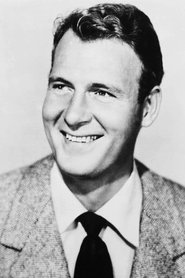
Jimmy Stewart, himself a wartime bomber pilot, narrates this 1942 Warner Bros. recruitment short for the U.S. Army Air Forces, walking prospective cadets through training, aircraft types, and the path to earning pilot's wings.
Cast & crew
More films like this

More Documentary films
View all →


More from John Huston
View all →

More about this film
About the production
Release date1942
ProductionWarner Bros. Studios, U.S. Army Air Forces
Filmed inHollywood, California, Various Army Air Corps training bases
This film was produced as part of the U.S. government's effort to recruit pilots during WWII. James Stewart was already serving as a private in the Army Air Corps when he made this film, lending authentic credibility to his role as narrator and guide. The production utilized actual training facilities and real military personnel, making it among the leading realistic recruitment films of its era.
Themes
Patriotic dutyComing of age through military serviceThe adventure of flightTeamwork and camaraderieTechnical excellence and skill development
Themes & topics
recruitmentWorld War IIArmy Air Forcesflight trainingpilot trainingmilitary aviationJames StewartJohn Hustonpropagandadocumentary
Historical background
Released in 1942 during World War II and its aftermath, Winning Your Wings reached audiences when exhibitors were still defining programming conventions. The narrative hook—Jimmy Stewart, himself a wartime bomber pilot, narrates this 1942 Warner Bros—reflects what contemporary producers thought would draw viewers.
Why this film matters
Winning Your Wings remains discussed by archivists tracing how screen stories of its period represented work, desire, conflict, and social order. Its central situation—Jimmy Stewart, himself a wartime bomber pilot, narrates this 1942 Warner Bros—still prompts questions about genre conventions and audience expectations.
Making of
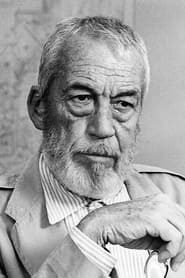
The production of Winning Your Wings was a unique collaboration between Hollywood and the military. John Huston, who had already established himself as a major director, was given unprecedented access to Army Air Corps facilities and personnel. James Stewart's involvement was particularly significant - he had been drafted into the Army in October 1941, months before Pearl Harbor, and was undergoing flight training when approached for the film. The production team worked closely with military officials to ensure accuracy while maintaining cinematic appeal. Filming took place at various training bases, and many of the instructors and cadets seen in the film were actual military personnel, not actors. The film's informal, documentary style was a deliberate departure from previous recruitment films, which were often stiff and propagandistic. Stewart's natural delivery and genuine enthusiasm for flying helped create a more personal connection with potential recruits.
What critics said
Trade and newspaper notices for Winning Your Wings generally emphasized casting, spectacle, and program fit rather than extended aesthetic argument. Retrospective screenings and archival notes continue to shape how viewers evaluate Winning Your Wings today.
Did you know?
- James Stewart was actually serving in the Army Air Corps when he made this film, having been drafted in 1941 before Pearl Harbor
- The film was so effective that it reportedly increased Air Force enlistments by 150,000 in the weeks following its release
- Director John Huston made several war documentaries during WWII, but this was his only recruitment film
- Stewart refused to take any payment for his participation in the film, considering it part of his military service
- The film was shown in over 15,000 theaters across the United States
- Winning Your Wings was nominated for an Academy Award for Best Documentary Short Subject
- The production cost was covered by Warner Bros. as part of their contribution to the war effort
- Stewart's natural, conversational style in the film was considered revolutionary for recruitment films of the time
- The film includes actual combat footage that had to be specially cleared by military censors
- After the war, Stewart continued his military service, eventually retiring as a Brigadier General in the Air Force Reserve
Awards & recognition
- Academy Award nomination for Best Documentary Short Subject (1942)
Visual style
The cinematography of Winning Your Wings was notable for its blend of documentary realism and cinematic polish. The film utilized actual training footage captured by military camera crews, combined with professionally shot sequences featuring Stewart. The aerial photography was particularly impressive for its time, showcasing both training maneuvers and the beauty of flight. The use of close-ups and medium shots of actual cadets and instructors helped create an intimate, personal feel that distinguished it from typical recruitment films. The camera work emphasized the scale and excitement of military aviation while maintaining focus on the human element of training.
Innovations
Winning Your Wings was technically innovative for its time in several ways. The film successfully integrated authentic military training footage with professionally produced narrative elements, creating a seamless viewing experience. The aerial photography was particularly advanced for the period, utilizing cameras mounted on training aircraft to capture realistic flight sequences. The production also pioneered techniques for showing complex technical information about flight training in an accessible and engaging manner. The film's use of natural sound and minimal post-production dubbing gave it an authentic quality that was unusual for recruitment films of the era.
Music
The film's musical score was typical of wartime productions, featuring patriotic themes and stirring orchestral arrangements that emphasized the nobility of military service. The music was designed to complement the visual elements without overwhelming Stewart's narration. Sound design was particularly important in conveying the excitement of flight training, with authentic engine sounds and radio communications adding to the realism. The film's audio quality was considered excellent for its time, helping to immerse viewers in the experience of flight training.
Famous quotes
You're going to learn to fly the finest aircraft in the world, and you're going to do it in the finest Air Force in the world.
It takes a special kind of man to be a pilot - a man who's not afraid of responsibility, who's quick-thinking, and who has the courage to face danger.
When you're up there alone, thousands of feet above the earth, with nothing but your skill and your courage between you and disaster - that's when you know what it means to be alive.
Memorable scenes
- The opening sequence where James Stewart, in his military uniform, directly addresses the camera and introduces himself as a fellow citizen-soldier
- The montage of flight training exercises showing cadets progressing from basic instruction to advanced combat maneuvers
- The emotional scene where Stewart discusses the importance of pilots in winning the war, accompanied by footage of actual combat missions
- The closing sequence where Stewart looks directly into the camera and makes his final appeal for young men to join the Air Forces
What audiences thought
The film was enormously popular with audiences, particularly young men of military age. Theaters reported that the 18-minute short often received more enthusiastic responses than the feature films it accompanied. Many viewers were inspired by Stewart's genuine enthusiasm and the exciting footage of flight training. The film's informal style and Stewart's relatable presentation made it feel more like a conversation than a lecture. Military recruitment offices reported significant increases in inquiries and applications for the Air Forces in areas where the film was shown. The personal connection audiences felt with Stewart, already a beloved movie star, made the recruitment message particularly effective. Veterans who saw the film during the war later recalled how it captured the spirit and excitement of the early war years.
Film connections
Influenced by
- Previous Army recruitment films
- John Ford's documentary style
- British wartime propaganda films
This film influenced
- Subsequent military recruitment films
- Post-war documentaries about military training
Film restoration
Winning Your Wings has been preserved by the National Archives and Records Administration and is part of the Library of Congress's collection of WWII-era films. The film has been digitally restored and is considered to be in good condition for its age. Several copies exist in various film archives and military museums, ensuring its preservation for future generations.
Where to watch
- National Archives website
- Library of Congress digital collections
- YouTube (official upload by National Archives)
- Various military history streaming services
- DVD collections of WWII documentaries and propaganda films