
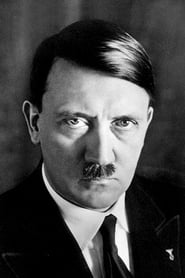
Adolf Hitler
Actor
Born: April 20, 1889 in Braunau am Inn, Austria-Hungary Died: April 30, 1945 Active: 1941-1945
Films
4 films
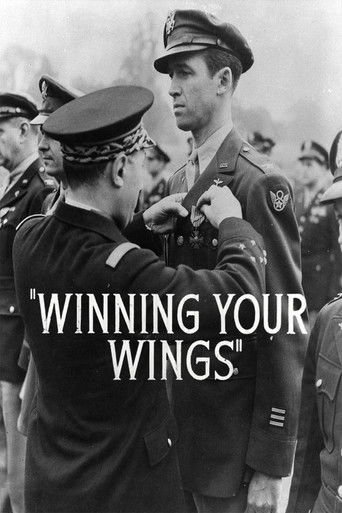

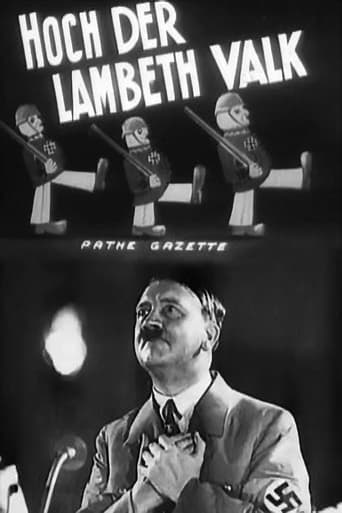
About Adolf Hitler
Adolf Hitler was the German political leader and dictator of Nazi Germany, not a conventional film performer, but he was extensively depicted, impersonated, archived, and featured in wartime documentary and propaganda cinema during the early 1940s and the immediate postwar period. He was born in Braunau am Inn, Austria-Hungary, and became the central figure of the National Socialist movement before rising to power as Chancellor in 1933 and later Führer of Germany. His relationship to cinema was overwhelmingly as a subject of newsreels, propaganda films, and documentary compilations rather than as an actor in the normal entertainment-industry sense; the film credits associated with him in databases usually refer to archival footage, appearance-as-himself, or documentary inclusion. During the war years he became filmed and referenced political figures in the world, with Allied and Axis productions using his image to shape public perception, mobilize support, and document the conflict. The titles associated with him in the user-provided filmography, including wartime shorts and documentaries such as Why We Fight: Prelude to War and The Fall of Berlin, reflect his use as a historical subject rather than a creative collaborator. He died by suicide in Berlin in 1945 as the Third Reich collapsed, and his image has remained recognizable and infamous in twentieth-century visual culture. In film history, his legacy is inseparable from the role cinema played in propaganda, historical memory, and the documentation of genocide and war.
The Craft
On Screen
Not applicable in the conventional sense. Hitler was not a trained screen actor; his filmic presence came from recorded speeches, staged propaganda appearances, newsreels, and archival footage. His on-camera persona was highly theatrical, built around controlled gestures, rigid posture, intense stare, and escalatory oratory designed to command attention and project authority.
Milestones
- Became
- Served as the central public figure in Nazi propaganda cinema, shaping the visual language of the Third Reich
- Appeared as archival material or historical subject in wartime documentaries such as Why We Fight: Prelude to War and The Fall of Berlin
- His image became a defining presence in Allied anti-Nazi propaganda films during World War II
- Postwar cinema and documentary history have continuously used footage of him as a symbol of dictatorship, war, and genocide
Best Known For
Iconic Roles
Must-See Films
Working Relationships
Worked Often With
Studios
Why They Matter
Impact on Culture
Hitler's cultural impact on cinema is enormous, though almost entirely as a negative historical force and recurring subject of representation. He helped make political image-making central to modern screen media, as the Nazi regime used film, newsreels, rallies, and staged spectacle to merge politics with mass visual persuasion. His face, gestures, and speeches became instantly recognizable iconography, repeatedly used in documentary, satire, drama, and educational films to signify authoritarianism, fascism, and genocide. The films associated with him in wartime and postwar contexts illustrate how cinema documented, resisted, and analyzed totalitarian power. In broader culture, his presence in film remains.
Lasting Legacy
Hitler's legacy in film history is tied less to performance than to the way cinema preserved, amplified, and later condemned his regime. He is. The visual vocabulary associated with him shaped depictions of dictators in later cinema, from historical dramas to satirical comedies and war films. His legacy also includes the ethical burden that filmmakers face when using his image: balancing historical truth, victim remembrance, and the risk of sensationalism. In classic cinema scholarship, he remains a central figure in discussions of propaganda, media control, and the power of film to legitimize or resist political extremism.
Who They Inspired
Hitler influenced other actors and directors indirectly through the theater of power he projected, inspiring both propaganda artists and anti-fascist filmmakers to study the relationship between screen image and mass persuasion. His public speaking style, heavily staged appearances, and the regimented pageantry of the Nazi state influenced the visual design of later political cinema, especially films about fascism, dictatorship, and crowds. Directors and performers portraying authoritarian figures have frequently borrowed or reacted against the cadence, pose, and spectacle associated with his public persona. More broadly, he influenced the development of documentary and wartime nonfiction film by demonstrating how moving images could be weaponized for ideology on a massive scale.
Off Screen
Adolf Hitler was born to Alois Hitler and Klara Pölzl and spent his early years in Austria before moving to Germany. He never had a conventional private family life in the Hollywood sense, though he maintained a long and secretive relationship with Eva Braun, whom he married shortly before both died in 1945. He had no acknowledged surviving children, and his personal life was tightly controlled by ideology, security, and public myth-making. Much of what is known about him comes from historical records, biographies, and wartime documentation rather than personal memoirs or entertainment-industry interviews. His private world was heavily entangled with politics, war, and authoritarian power rather than artistic circles.
Education
Attended school in Linz and Steyr; did not pursue higher education. He later developed himself as a public speaker and political organizer rather than through formal artistic or cinematic training.
Family
- Eva Braun (1945)
Did You Know?
- He is.
- The filmography attached to his name in databases usually reflects archival appearances, documentary usage, or historical subject matter rather than dramatic acting roles.
- His speeches and rallies were filmed with great care by Nazi propaganda units to create a powerful cinematic image of leadership.
- He was a central subject in Allied propaganda films intended to explain the war to civilian audiences.
- His image has been used in documentaries, satires, dramas, and educational films for decades after his death.
- He married Eva Braun only one day before their joint deaths in April 1945.
- He never held a traditional entertainment-industry career, despite being listed in some film records.
- His public persona was meticulously staged to combine theatricality, menace, and political authority.
- The Nazi state treated cinema as a major propaganda tool, making Hitler one of film history's most consequential non-actor screen presences.
In Their Own Words
An exact film quote is not provided here because his recorded speeches exist in many versions and languages, and quotation accuracy depends on the specific source material.
His public rhetoric was widely circulated in edited newsreels and propaganda films, often in fragmentary form rather than as a single canonical quote.
Frequently Asked Questions
Who was Adolf Hitler?
Adolf Hitler was the dictator of Nazi Germany and. In film history, he is best understood as a historical subject whose speeches, rallies, and wartime appearances were captured on screen and later reused in documentaries and propaganda films.
What films is Adolf Hitler best known for?
Titles linked here include Triumph of the Will (1935) as historical subject and keynote presence in propaganda cinema, Why We Fight: Prelude to War (1942).
When was Adolf Hitler born and when did he die?
Born April 20, 1889; died April 30, 1945.
What awards did Adolf Hitler win?
There are no legitimate acting awards or entertainment-industry honors to list for him. Any film-related recognition connected to his name stems from documentary history, propaganda output, or archival use rather than artistic awards.
What was Adolf Hitler's acting style?
He was not a professional actor, but his public performances were intensely theatrical and carefully staged. His on-camera presence relied on rigid posture, expressive gesturing, controlled pauses, and escalating rhetoric designed to dominate the viewer's attention.
What is Adolf Hitler's legacy in film history?
His legacy in film history lies in the way cinema documented, propagated, and later condemned his rule. He remains.