Why We Fight: Prelude to War
"Why America had to fight."
Keys: Space play/pause · ←/→ 10s · F fullscreen · M mute · </> speed
About this film
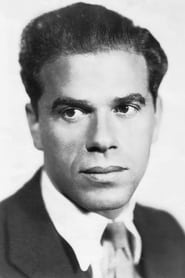
Prelude to War was the first film of Frank Capra's Why We Fight propaganda film series, commissioned by the Pentagon and George C. Marshall. It was made to convince American troops of the necessity of combating the Axis Powers during World War II. examines the differenc.
Cast & crew
More films like this


More Documentary films
View all →
More from Frank Capra
View all →


More about this film
About the production
Release dateMay 27, 1942
BudgetGovernment-funded through U.S. War Department (exact budget not publicly disclosed)
Box officeNot applicable - non-commercial government production distributed to military and public venues
ProductionU.S. War Department, Office of War Information, Special Service Division
Filmed inWashington D.C., Hollywood studios, Various U.S. military installations, Archival footage from Germany, Italy, Japan, and other countries
Frank Capra initially refused the assignment, believing propaganda was beneath him, but was persuaded by General George C. Marshall who appealed to his patriotism. The production team analyzed over 1,200 hours of enemy footage, including Nazi propaganda films by Leni Riefenstahl, to create their counter-narrative. Capra's team worked in secrecy and had to develop new techniques for integrating disparate archival sources into a cohesive narrative. The film was completed in just 11 weeks, an incredibly fast turnaround for the time.
Themes
Democracy vs. FascismThe necessity of American involvement in WWIIThe global threat of totalitarianismThe importance of freedom and libertyThe moral imperative to fight aggression
Themes & topics
World War IIPropagandaDocumentaryMilitary trainingDemocracyFascismAxis powersAmerican patriotismNazi GermanyImperial JapanFascist ItalyWar justificationFreedomTyranny
Historical background
By 1942, sound cinema, wartime mobilization, and changing censorship norms were reshaping what audiences expected from narrative features.
Why this film matters
Why We Fight: Prelude to War remains part of the screen heritage of its era, offering evidence of prevailing genres, production methods, and audience tastes. Later revivals, archive screenings, and digitization have kept such titles accessible to researchers and dedicated viewers long after their first commercial runs.
Making of
The making of Prelude to War represents among the leading fascinating chapters in Hollywood history. When General George C. Marshall approached Frank Capra in May 1941, the director was initially resistant, believing that making propaganda films would tarnish his reputation. Marshall's persuasive argument that Capra's unique ability to connect with audiences could help save democracy changed his mind. Capra assembled a team of Hollywood's best talent, including screenwriters Anatole Litvak and Anthony Veiller, and composer Dimitri Tiomkin. The production faced enormous challenges, including the need to translate and understand enemy propaganda footage without context. Capra's team developed innovative editing techniques to repurpose Nazi and Fascist imagery against its creators, creating what he called 'using the enemy's own medicine to cure them.' The film was produced under intense secrecy, with the team working long hours to meet the urgent deadline set by the War Department.
What critics said
Reception records for Why We Fight: Prelude to War are uneven; interest today is concentrated among archivists, historians, and viewers of older cinema. Modern assessment tends to emphasize historical value, craft, and cultural context rather than box-office performance.
Did you know?
- Frank Capra was a major Hollywood director who had already won three Academy Awards for Best Director before making this documentary
- The film was mandatory viewing for all U.S. military personnel before deployment overseas
- Prelude to War won the Academy Award for Best Documentary Feature in 1942, making it the first documentary to receive this honor
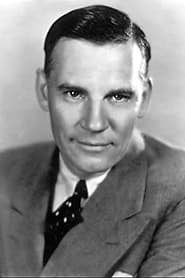
- Walter Huston, the film's narrator, was one of Hollywood's most respected character actors and father of director John Huston
- General George C. Marshall personally selected Capra for the project, believing his storytelling skills could effectively explain the war's necessity
- The film was so effective that it was eventually released to American theaters to build public support for the war effort
- Capra's team had to secretly screen and catalog enemy propaganda films, sometimes working in locked rooms to prevent security breaches
- The documentary uses a technique Capra called 'compilation' - weaving together footage from multiple sources to create a new narrative
- Despite being government propaganda, the film was praised for its artistic merit and emotional power
- The success of Prelude to War led to six more films in the Why We Fight series
Awards & recognition
- Academy Award for Best Documentary Feature (1942)
- New York Film Critics Circle Award for Best Documentary (1942)
Visual style
The cinematography of Prelude to War represents a masterful synthesis of disparate visual sources, including newsreels, government films, and even enemy propaganda footage. Capra's team developed innovative techniques for unifying this varied material into a coherent visual narrative. The film employs stark visual contrasts between the peaceful, democratic societies and the militaristic fascist states, using composition and editing to reinforce its ideological message. The cinematographers skillfully used close-ups to humanize democratic leaders while presenting fascist figures in unflattering angles and lighting. The film's visual language draws heavily on Soviet montage theory, using rapid cuts and juxtapositions to create powerful emotional and intellectual effects. The documentary also pioneered techniques for integrating maps and graphics into narrative flow, making complex geopolitical concepts visually accessible.
Innovations
Prelude to War pioneered several technical innovations in documentary filmmaking. The film developed new techniques for integrating footage from multiple sources with different film stocks, frame rates, and visual qualities into a seamless whole. Capra's team created innovative optical printing methods to combine and manipulate archival material. The documentary was among the first to use extensive animated maps and graphics to explain complex military and political situations. The film's sound engineering was particularly advanced for its time, with the team developing new methods for synchronizing narration with varied source footage. The production also pioneered techniques for analyzing and cataloging enemy propaganda footage, creating a systematic approach that would influence future intelligence and propaganda analysis. The film's success in creating a coherent narrative from disparate sources established new standards for compilation documentaries.
Music
The musical score for Prelude to War was composed by Dimitri Tiomkin, one of Hollywood's most respected composers who had previously worked with Capra on 'It's a Wonderful Life' and 'Mr. Smith Goes to Washington.' Tiomkin created a powerful orchestral score that effectively underscored the film's emotional and narrative arcs. The music alternates between stirring patriotic themes and ominous, threatening motifs associated with the Axis powers. The soundtrack makes extensive use of leitmotifs, with specific musical themes representing democracy, fascism, and various nations. The score was recorded by a full orchestra and was considered unusually sophisticated for a documentary film of its time. The music's ability to enhance the emotional impact of the archival footage was widely praised as one of the film's strongest elements. The soundtrack also incorporated period music and sound effects to enhance the authenticity of the historical footage.
Famous quotes
The world has been at war for ten years, but it took Pearl Harbor to make it our war.
We are fighting for the right to live in a world where every man can have a roof over his head, food in his stomach, and the right to worship God in his own way.
The difference between this war and previous wars is that in this war, we are not fighting for conquest or territory, but for the survival of civilization itself.
Free peoples of the world, stand together, or hang separately.
This is not a war of territory or of conquest, but a war of ideas - the idea of freedom against the idea of slavery.
Memorable scenes
- The opening sequence that juxtaposes peaceful American life with military parades in Nazi Germany, immediately establishing the film's central contrast
- The powerful montage showing the systematic buildup of Axis military forces while democracies disarmed
- The sequence comparing maps of free and enslaved nations, with the darkness of fascism spreading across Europe and Asia
- The climatic sequence that uses rapid-fire editing to show the global threat of fascism and the necessity of American intervention
- The emotional conclusion that shows American soldiers preparing to depart, accompanied by Walter Huston's stirring narration about defending freedom
What audiences thought
Prelude to War was enormously successful with both military and civilian audiences. Military personnel reported that the film effectively clarified their understanding of why they were being sent to fight. When released to the public, it helped shift American opinion from reluctant acceptance of war to active support for the war effort. Audience surveys conducted by the War Department showed that the film significantly increased understanding of the global conflict and boosted morale. The film's emotional impact was particularly noted, with many viewers reporting that it helped them grasp the stakes of the war in personal terms. The documentary's success led to its widespread distribution in schools, factories, and community centers across America. Even decades later, veterans who saw the film during their training recalled its powerful effect on their understanding of the war.
Film connections
Influenced by
- Leni Riefenstahl's 'Triumph of the Will' (used as source material and counter-example)
- Soviet montage theory and Eisenstein's editing techniques
- American newsreel traditions
- Previous American documentary films by Pare Lorentz
- British documentary movement of the 1930s
- John Grierson's documentary theories
This film influenced
- The remaining six films in the Why We Fight series
- American propaganda films of WWII
- Post-war documentary compilation techniques
- Cold War era government documentaries
- Ken Burns' documentary style
- Modern historical documentaries using archival footage
- Michael Moore's political documentary techniques
Film restoration
Prelude to War has been fully preserved by the National Archives and Records Administration and is part of the permanent collection of the Library of Congress. The film was selected for preservation in the United States National Film Registry in 2000 for its cultural, historical, and aesthetic significance. Multiple high-quality digital transfers have been created from original 35mm elements. The film is in the public domain, which has contributed to its wide availability and preservation through multiple archives and institutions. The National Archives maintains both the original negative and preservation copies, ensuring the film's long-term survival.
Where to watch
- National Archives website (free streaming)
- YouTube (official uploads from National Archives)
- Internet Archive (public domain)
- Library of Congress digital collections
- Various streaming platforms specializing in classic documentaries
- Educational film distributors
- Some public library digital collections
- Museum of Modern Art film collection screenings