
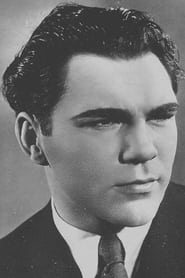
Max Schmeling
Actor
Born: September 28, 1905 in Klein Luckow, Brandenburg, Germany Died: February 2, 2005 Active: 1924-1948 (Boxing), 1942-1942 (Film)
Films
1 film
About Max Schmeling
German heavyweight boxing champion who transitioned into film appearances, most notably in Frank Capra's documentary 'Why We Fight: Prelude to War' (1942). Born in 1905, Schmeling rose to international fame in the 1930s as a professional boxer, becoming the World Heavyweight Champion in 1930. His fights against Joe Louis made him a global sports icon, though his career was complicated by his association with Nazi Germany during World War II. Despite pressure from the Nazi regime to serve as a propaganda tool, Schmeling maintained his integrity and even saved the lives of two Jewish children during Kristallnacht. After the war, he briefly appeared in films and documentaries, leveraging his international recognition. His post-war career included business ventures and philanthropy, eventually becoming a respected elder statesman in both Germany and the international boxing community. Schmeling's film appearances were limited but significant, often portraying himself or using his boxing fame to contribute to war-related documentaries.
The Craft
On Screen
As a non-professional actor, Schmeling appeared primarily as himself in documentary contexts, displaying a natural, dignified presence that reflected his status as an international sports figure. His screen presence was characterized by his athletic bearing and the gravitas of someone who had experienced global fame and political controversy.
Milestones
- Won World Heavyweight Championship (1930)
- Famous fights against Joe Louis (1936, 1938)
- Appeared in 'Why We Fight: Prelude to War' (1942)
- Saved two Jewish children during Kristallnacht
- Inducted into International Boxing Hall of Fame (1991)
- Became successful Coca-Cola distributor in Germany post-war
Best Known For
Iconic Roles
Must-See Films
Accolades
Won
- World Heavyweight Championship (1930)
- European Heavyweight Championship (1927-1928)
- German Light Heavyweight Championship (1926)
- International Boxing Hall of Fame Inductee (1991)
Special Recognition
- German Sports Hall of Fame
- Boxing Hall of Fame (multiple)
- Order of Merit of the Federal Republic of Germany
Working Relationships
Worked Often With
Why They Matter
Impact on Culture
Max Schmeling's cultural impact extended far beyond boxing and film, making him. His fights against Joe Louis became symbolic battles between Nazi Germany and democratic America, though Schmeling himself was never a Nazi Party member. The 1938 'Fight of the Century' was viewed by millions worldwide and became a powerful symbol of resistance against Nazi ideology. Schmeling's appearance in 'Why We Fight: Prelude to War' represented his transformation from a propaganda tool to a figure representing the complexities of German individuals during the Nazi era. His post-war redemption story and lifelong friendship with Joe Louis served as a powerful example of reconciliation and humanity transcending political divisions.
Lasting Legacy
Max Schmeling's legacy is multifaceted, encompassing his achievements as one of boxing's great champions, his moral courage during one of history's darkest periods, and his role as a bridge between Germany and the international community. He is remembered not just for his boxing prowess but for his humanity in saving Jewish lives during Kristallnacht and his dignified conduct throughout the political turmoil of his era. His story serves as a reminder that individuals can maintain their integrity even when used as political symbols. In cinema history, his appearance in 'Why We Fight' represents the intersection of sports, politics, and propaganda during World War II.
Who They Inspired
Schmeling influenced subsequent generations of German athletes by demonstrating that sports figures could maintain their integrity under political pressure. His relationship with Joe Louis set a precedent for sportsmanship and cross-cultural friendship that transcended racial and national boundaries. In film, his documentary appearances showed how real-life figures could be used to convey complex historical narratives in wartime cinema.
Off Screen
Max Schmeling led a remarkable life that transcended sports, marked by his controversial relationship with the Nazi regime, his secret humanitarian efforts during WWII, and his eventual redemption in the eyes of the world. He maintained a lifelong friendship with his former rival Joe Louis, even paying for the American champion's funeral. Schmeling married Czech-born actress Anny Ondra in 1933, and their marriage lasted until her death in 1987. He later married his longtime friend and manager's widow, Helene Meyer, in 1991. Schmeling lived to be 99, dying in his hometown of Hollenstedt, Germany.
Education
Limited formal education; trained as a baker's apprentice before pursuing boxing
Family
- Anny Ondra (1933-1987)
- Helene Meyer (1991-2005)
Did You Know?
- Was the first German boxer to win the World Heavyweight Championship
- His 1936 victory over Joe Louis was considered a major propaganda victory for Nazi Germany
- Secretly hid two Jewish children in his Berlin apartment during Kristallnacht in 1938
- Maintained a secret friendship with Joe Louis that lasted until Louis's death in 1981
- Paid for Joe Louis's funeral in 1981, demonstrating their lifelong bond
- Was drafted into the German Paratrooper Corps during WWII despite being 36 years old
- Became one of Germany's wealthiest men post-war as the Coca-Cola distributor for Germany
- Lived to be 99, dying just 8 months before his 100th birthday
- Never joined the Nazi Party despite pressure from Hitler and Goebbels
- His boxing active years covered 24 years, from 1924 to 1948
In Their Own Words
I was a sportsman, not a politician. I never wanted anything to do with politics.
Joe Louis was a great champion and a great man. We were friends, not enemies.
I was never a Nazi. I was a German and a boxer.
In the ring, we fought. Outside the ring, we were friends.
The only thing I ever wanted was to be the best boxer in the world.
Frequently Asked Questions
Who was Max Schmeling?
German heavyweight boxing champion who became internationally famous in the 1930s. He was World Heavyweight Champion from 1930-1932 and is best known for his legendary fights against Joe Louis. Despite being used as a propaganda tool by the Nazi regime, Schmeling maintained his integrity and later appeared in documentary films including 'Why We Fight: Prelude to War' (1942).
What films is Max Schmeling best known for?
Titles linked here include Why We Fight: Prelude to War (1942), Knockout (1935) - German boxing film.
When was Max Schmeling born and when did he die?
Born September 28, 1905; died February 2, 2005.
What awards did Max Schmeling win?
Schmeling won the World Heavyweight Championship in 1930, the European Heavyweight Championship (1927-1928), and the German Light Heavyweight Championship (1926). He was inducted into the International Boxing Hall of Fame in 1991 and received the Order of Merit of the Federal Republic of Germany for his humanitarian contributions.
What was Max Schmeling's acting style?
Schmeling was not a professional actor but appeared primarily as himself in documentary contexts. His screen presence was natural and dignified, reflecting his status as an international sports figure. In 'Why We Fight: Prelude to War,' he appeared as himself, lending authenticity to the wartime documentary through his real-life experiences and global recognition.