Walter Huston
Actor
Born: April 6, 1883 in Toronto, Ontario, Canada Died: April 7, 1950 Active: 1929-1950 Birth Name: Walter Thomas Huston
Films
12 films

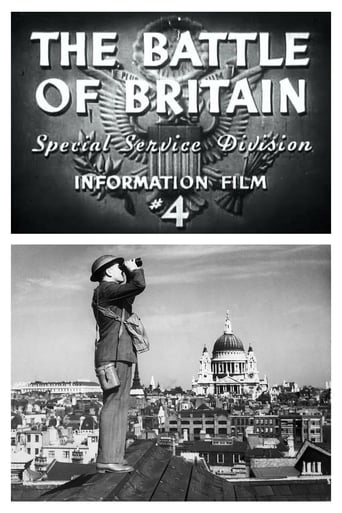
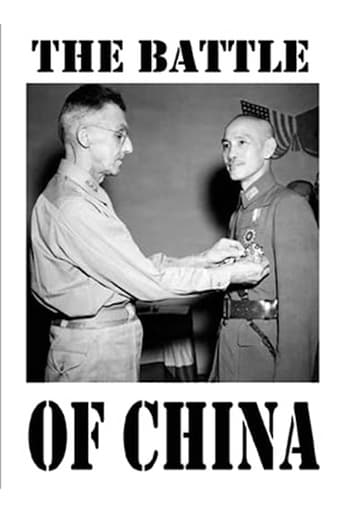

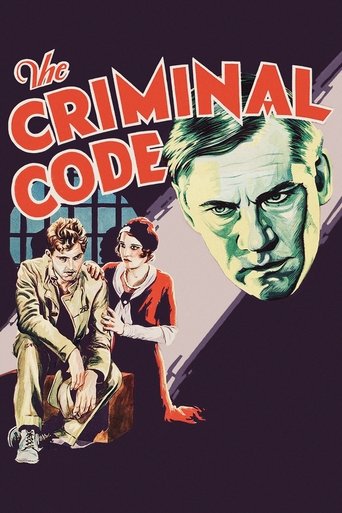
About Walter Huston
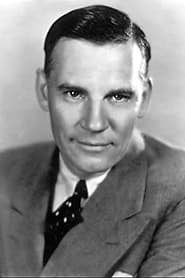
Walter Huston was born Walter Thomas Huston in Toronto, Ontario, Canada, and began his career as a civil engineer before discovering his passion for acting. He started in vaudeville and theater, making his Broadway debut in 1924, before transitioning to films in the late 1920s. Huston quickly established himself as one of Hollywood's most respected character actors, known for his powerful performances in both leading and supporting roles. His career moved from silent films through the golden age of Hollywood, with his breakthrough performance coming in 'Dodsworth' (1936), for which he won the Academy Award for Best Actor. He worked frequently with his son John Huston, appearing in several of his films including the 'The Treasure of the Sierra Madre' (1948). Huston continued acting until his death in 1950, leaving behind a legacy of memorable performances that showcased his remarkable range and intensity. He was particularly known for his ability to portray complex, often morally ambiguous characters with depth and authenticity.
The Craft
On Screen
Walter Huston was known for his intense, naturalistic acting style that brought remarkable depth and authenticity to his characters. He combined theatrical gravitas with subtle, nuanced performances, often portraying complex men wrestling with moral dilemmas. His distinctive voice and commanding presence allowed him to dominate scenes even in supporting roles. Huston excelled at revealing internal conflicts through minimal gestures and facial expressions, creating characters that felt both larger-than-life and deeply human. He was particularly adept at playing men of authority or wisdom, bringing a weathered authenticity to roles that required life experience and emotional complexity.
Milestones
- Academy Award win for Best Actor in 'Dodsworth' (1936)
- Iconic performance as Howard in 'The Treasure of the Sierra Madre' (1948)
- Successful transition from stage to film acting
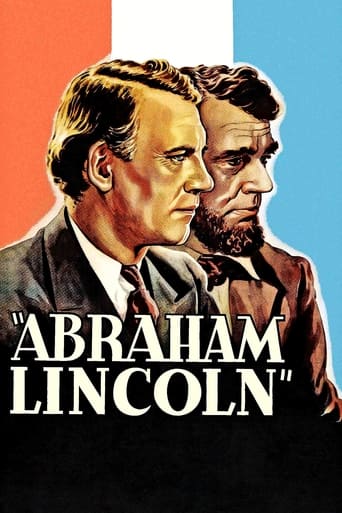
- Memorable portrayal of Abraham Lincoln (1930)
- Frequent collaborations with son John Huston
- New York Film Critics Circle Award for 'Dodsworth' (1936)
- Star on the Hollywood Walk of Fame
Best Known For
Iconic Roles
Must-See Films
Accolades
Won
- Academy Award for Best Actor for 'Dodsworth' (1936)
- New York Film Critics Circle Award for Best Actor for 'Dodsworth' (1936)
- National Board of Review Award for Best Acting for 'The Devil and Daniel Webster' (1941)
Nominated
- Academy Award nomination for Best Actor for 'The Devil and Daniel Webster' (1941)
- Academy Award nomination for Best Supporting Actor for 'The Treasure of the Sierra Madre' (1948)
- Academy Award nomination for Best Actor for 'Dodsworth' (1936)
Special Recognition
- Hollywood Walk of Fame star (1960)
- Inducted into the American Theatre Hall of Fame
- First Canadian-born actor to win an Academy Award
Working Relationships
Worked Often With
Studios
Why They Matter
Impact on Culture
Walter Huston significantly influenced the craft of character acting in Hollywood's golden age, helping to elevate the importance and prestige of supporting roles in cinema. His powerful performances often challenged the simplistic morality of earlier Hollywood films, introducing more nuanced and realistic portrayals of human nature and moral complexity. Huston's work demonstrated that character actors could carry films and deliver performances as compelling as any leading man, paving the way for future generations of character actors to receive critical recognition and audience appreciation. His ability to bring depth and dignity to older characters helped combat ageism in Hollywood and created more substantial roles for mature actors.
Lasting Legacy
Walter Huston's legacy endures through his iconic performances and the profound influence he had on subsequent generations of actors and filmmakers. He proved that character actors could achieve both critical acclaim and audience recognition, with his Academy Award win for 'Dodsworth' serving as a landmark achievement that highlighted the importance of substantive, mature roles in cinema. The Huston family dynasty in Hollywood, continued by his son John and granddaughter Anjelica, stands as proof of his lasting impact on American cinema. His performances in films like 'The Treasure of the Sierra Madre' and 'The Devil and Daniel Webster' remain masterclasses in character acting, studied by actors and film scholars alike.
Who They Inspired
Huston influenced countless actors with his naturalistic yet powerful approach to character portrayal, becoming a model for method actors who followed. His ability to convey complex emotions through subtle means demonstrated that less could often be more in film acting. Many contemporary character actors, including Robert Duvall and Gene Hackman, have cited Huston as an inspiration for proving that supporting roles could be as memorable and significant as leads. His collaboration with his son John also demonstrated the creative possibilities of family partnerships in filmmaking, influencing how Hollywood viewed multi-generational talent families.
Off Screen
Walter Huston was married twice and had one child who became a legendary film director. His personal life was relatively stable compared to many Hollywood stars of his era. He maintained a strong relationship with his son John Huston, who later directed him in several of their most memorable collaborations. Huston was known for his professionalism and dedication to his craft, often immersing himself completely in his roles. He was a heavy smoker throughout his life, which contributed to his death from an aortic aneurysm at age 67. Despite his success in Hollywood, he maintained a reputation as a humble, hardworking actor who never lost his connection to his theatrical roots.
Education
Attended public schools in Toronto, no formal acting training - learned through experience in vaudeville and theater
Family
- Rhea Gore (1905-1915)
- Nan Sunderland (1915-1950)
Did You Know?
- He was the first Canadian-born actor to win an Academy Award
- He began his career as a civil engineer before discovering acting
- He was an accomplished vaudeville performer before transitioning to legitimate theater
- He appeared in both silent films and successfully made the transition to sound
- His distinctive baritone voice made him a popular radio performer as well as film actor
- He often played characters much older than his actual age, even in his 40s
- He was a founding member of the Actors' Equity Association
- He died on his 67th birthday from an aortic aneurysm
- His granddaughter Anjelica Huston also won an Academy Award, making them one of the few three-generation Oscar-winning families
- He was known for his intense method of preparation, often staying in character between takes
In Their Own Words
Acting is not about being someone different. It's finding the similarity in what is apparently different, then finding myself in there.
I don't believe in typecasting. An actor should be able to play any role if he understands human nature.
The camera is a remarkable instrument. It catches things the naked eye might miss - the twitch of a muscle, the flicker of an eye.
In the theater, you have to reach the back row. In film, you have to reach the person sitting next to you.
Age is an advantage in this business. The older you get, the more you have to draw from.
Frequently Asked Questions
Who was Walter Huston?
Canadian-American with credits in this catalog. He won an Academy Award for Best Actor for his role in 'Dodsworth' (1936) and appeared in numerous classic films including 'The Treasure of the Sierra Madre' (1948). He was also the father of acclaimed director John Huston and grandfather of actress Anjelica Huston.
What films is Walter Huston best known for?
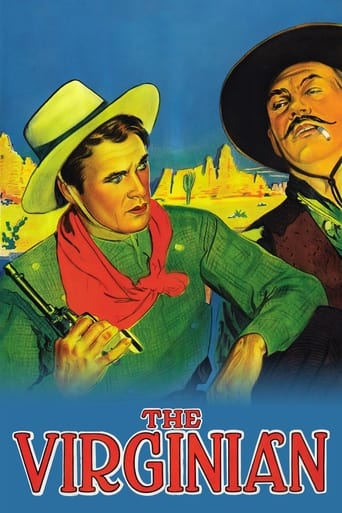
Titles linked here include Dodsworth (1936), The Treasure of the Sierra Madre (1948).
When was Walter Huston born and when did he die?
Born April 6, 1883; died April 7, 1950.
What awards did Walter Huston win?
Walter Huston won the Academy Award for Best Actor for his performance in 'Dodsworth' (1936), making him the first Canadian-born actor to win an Oscar. He also received the New York Film Critics Circle Award for Best Actor for the same role. Additionally, he was nominated for Academy Awards for 'The Devil and Daniel Webster' (1941) and 'The Treasure of the Sierra Madre' (1948).
What was Walter Huston's acting style?
Walter Huston was known for his intense, naturalistic acting style that brought remarkable depth and authenticity to his characters. He combined theatrical gravitas with subtle, nuanced performances, often portraying complex men wrestling with moral dilemmas. His distinctive voice and commanding presence allowed him to dominate scenes, and he excelled at revealing internal conflicts through minimal gestures and facial expressions.
How was Walter Huston related to John Huston?
Walter Huston was the father of John Huston, the legendary film director. John directed his father in several films, most notably 'The Treasure of the Sierra Madre' (1948), for which both received Academy Award nominations. This made them one of the first father-son duos to receive Oscar nominations for the same film. The acting dynasty continued with John's daughter Anjelica Huston, who also won an Academy Award.
What was Walter Huston's career before acting?
Before becoming an actor, Walter Huston worked as a civil engineer and had various other jobs including construction work. He discovered his passion for performing while working in a traveling circus and eventually transitioned to vaudeville, where he developed his skills as a performer. His theatrical background in vaudeville and legitimate theater provided the foundation for his successful film career.