The Virginian
"Cowboy honor versus cattle rustling"
Keys: Space play/pause · ←/→ 10s · F fullscreen · M mute · </> speed
About this film
A good-natured cowboy who is romancing the new schoolmarm has a crisis of conscience when he discovers his best friend is engaged in cattle rustling.
Cast & crew
More films like this
More Western films
View all →

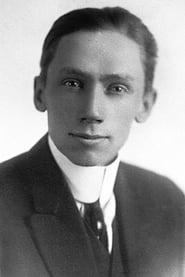
More from Victor Fleming
View all →

More about this film
About the production
Release dateOctober 30, 1929
Budget$374,000
Box office$1.5 million (domestic)
ProductionParamount Pictures
Filmed inBishop, California, Mojave Desert, California, Paramount Studios, Hollywood, California
The Virginian was one of the first Westerns to be produced with synchronized sound, utilizing both dialogue and musical sequences. The film was shot during the challenging transition from silent to sound cinema, requiring the cast and crew to adapt to new recording technologies. Gary Cooper, who had previously starred in silent films, had to work with a voice coach to adapt his acting style for sound. The production faced difficulties with early sound equipment, which was bulky and restrictive, limiting camera movement and requiring actors to stay close to microphones hidden on set.
Themes
Loyalty vs. JusticeCivilization vs. Frontier JusticeFriendship and BetrayalMoral ResponsibilityThe American West as Moral Landscape
Themes & topics
cowboycattle rustlingbest friendcrisis of conscienceschoolmarmWyomingfrontier justicehangingromancemoral dilemmafriendshipbetrayalWesternranchoutlaw
Historical background
The Virginian appeared in 1929, when the late silent period and the transition to sound shaped how movies were financed, distributed, and discussed. Audiences of the day encountered the work amid shifting tastes in acting, pacing, and spectacle. Its focus on a good-natured cowboy who is romancing the new schoolmarm has a crisis of conscience when he discovers his best friend is engaged in cattle rustling mirrors themes circulating in popular culture of that moment.
Why this film matters
The Virginian (1929) belongs to the wider archive of world cinema, documenting a good-natured cowboy who is romancing the new. Archivists and historians value such titles for what they reveal about craft, genre, and audience expectations. Restorations and festival screenings keep the work visible to viewers far beyond its first run.
Making of
The production of The Virginian occurred during the revolutionary transition from silent to sound cinema in Hollywood. The cast and crew faced numerous technical challenges with early sound recording equipment, which was primitive by modern standards. Microphones had to be hidden in props, plants, and on the actors themselves, severely limiting camera movement and blocking. Gary Cooper, who had built his career in silent films, worked extensively with voice coaches to adapt his performance style for sound, as his natural speaking voice was initially considered too high-pitched for the rugged Western hero. The film's musical sequences were particularly innovative for the time, featuring diegetic music that emerged naturally from the story. Director Victor Fleming, known for his technical expertise, devised creative solutions to overcome the limitations of early sound technology, including developing new microphone placement techniques. The hanging scene required careful choreography and special effects to achieve a realistic yet tasteful depiction, as the Hayes Code was beginning to influence film content standards. The production also faced challenges filming on location in the California desert, where extreme temperatures and difficult terrain tested the cast and crew's endurance.
What critics said
Press coverage from 1929 is fragmentary for many titles of this vintage; surviving notices for The Virginian tend to stress novelty, star power, or topical appeal. Later writing places the picture within its national and generic context, weighing both period conventions and moments that still land for modern viewers. Streaming and disc releases have revived discussion among classic-film audiences.
Did you know?
- This was Gary Cooper's first all-talking picture and his first Western with sound, establishing him as a major star in the new era of sound cinema.
- The film was based on Owen Wister's 1902 novel, which is considered the first true Western novel and had been adapted for film multiple times before, including silent versions in 1914, 1923, and 1925.
- Director Victor Fleming would later direct other classic films including 'Gone with the Wind' (1939) and 'The Wizard of Oz' (1939).
- The famous line 'When you call me that, smile!' was delivered by Gary Cooper and became among the leading quoted lines in Western cinema history.
- The film featured one of the first musical sequences in a sound Western, with Gary Cooper singing 'A Son of the Gods' and 'The Last Roundup'.
- Walter Huston's portrayal of the villain Trampas helped establish the archetype of the sophisticated Western villain.
- The hanging sequence was considered controversial for its time due to its realistic depiction and the moral complexity of the protagonist having to execute his friend.
- The film's success spawned numerous remakes, including versions in 1937, 1946, and a 2000 television miniseries.
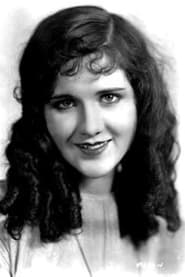
- Mary Brian, who played Molly Wood, was one of the few actresses who successfully transitioned from silent films to sound pictures.
- The cattle rustling subplot was based on real historical events from Wyoming's territorial days.
Awards & recognition
- National Board of Review Award - Top Ten Films of 1929
- Photoplay Medal of Honor - Victor Fleming (nomination)
Visual style
The cinematography of The Virginian, handled by James Wong Howe and Harry Perry, represents a masterful blend of silent film visual poetry with the new requirements of sound filming. The film features sweeping landscape shots of the California desert locations that evoke the majesty and isolation of the Wyoming setting, utilizing natural light to create dramatic contrasts between the harsh desert environment and the intimate human moments. The camera work had to accommodate the limitations of early sound recording equipment, which meant fewer tracking shots and more static compositions, but the cinematographers turned this constraint into a strength, creating carefully composed frames that emphasize the psychological states of the characters. The hanging sequence is particularly notable for its use of low angles and shadow to create a sense of moral weight and impending doom. The film also makes effective use of deep focus to maintain clarity in both foreground and background, allowing the vast Western landscape to remain a constant presence in the story. The cinematography successfully bridges the gap between the visual storytelling of silent films and the more dialogue-driven approach of sound cinema, creating a visual style that feels both classical and innovative.
Innovations
The Virginian was technically groundbreaking as one of the first Westerns to fully embrace synchronized sound technology. The film utilized the Movietone sound-on-film system, which allowed for more flexible location recording than earlier sound-on-disc systems. The production team developed innovative microphone concealment techniques, hiding microphones in props, clothing, and even in cacti on the set to maintain visual realism while capturing clear dialogue. The film's sound engineers pioneered methods for recording outdoor dialogue in challenging desert conditions, developing portable sound baffles and wind screens that would become standard equipment for location filming. The musical sequences required early experiments with lip-sync recording, as Gary Cooper had to match his singing to pre-recorded tracks. The film also demonstrated technical prowess in its sound effects, creating realistic audio for cattle drives, gunfights, and other Western action sequences. The hanging scene required special technical solutions to achieve both visual and audio impact while maintaining the film's moral tone. These technical innovations not only made The Virginian a success but also contributed valuable techniques that would be adopted throughout the film industry as sound technology evolved.
Music
The Virginian featured a pioneering soundtrack that blended diegetic music, dialogue, and musical underscoring in ways that were innovative for early sound cinema. The film's musical sequences include Gary Cooper singing 'A Son of the Gods' and 'The Last Roundup,' which helped establish the tradition of the singing cowboy in Western films. The score was composed by John Leipold and W. Franke Harling, who created musical themes that enhanced the emotional impact of key scenes without overwhelming the dialogue. The film made particularly effective use of source music, with songs emerging naturally from the story setting, such as cowboy songs sung around campfires. The soundtrack also included sound effects that were carefully recorded to enhance the authenticity of the Western setting, from cattle drives to gunshots. The musical direction by Boris Morros was praised for its subtlety and integration with the narrative, avoiding the tendency of early sound films to overuse music. The film's success in balancing dialogue, music, and sound effects set a standard for future Western soundtracks and demonstrated how music could enhance rather than distract from storytelling in the sound era.
Famous quotes
The Virginian: 'When you call me that, smile!'
The Virginian: 'You're not a bad fellow, Steve. You're just weak.'
Trampas: 'I'll get you for this, Virginian. I'll get you if it takes the rest of my life.'
The Virginian: 'There's a time for talking and a time for shooting.'
Molly Wood: 'I came out here to teach school, not to fall in love with a cowboy.'
The Virginian: 'In these parts, a man's got to do what's right, even if it hurts.'
Memorable scenes
- The opening cattle drive sequence showcasing the majesty of the Western landscape and establishing The Virginian as a skilled cowboy.
- The first confrontation between The Virginian and Trampas where the famous 'When you call me that, smile!' line is delivered.
- The romantic scene between The Virginian and Molly Wood by the creek, representing the meeting of civilization and frontier values.
- The tense poker game scene where Steve's involvement with the rustlers is first revealed.
- The powerful hanging sequence where The Virginian must carry out the sentence against his former friend, showcasing the film's moral complexity.
- The final showdown between The Virginian and Trampas, combining gunplay with psychological tension.
- The musical sequence where Gary Cooper sings 'The Last Roundup' around the campfire with other cowboys.
What audiences thought
The Virginian was a tremendous commercial success upon its release, becoming one of the highest-grossing films of 1929 and proving that Westerns could thrive in the sound era. Audiences were particularly enthusiastic about Gary Cooper's performance, which cemented his status as a major star and romantic leading man. The film's musical sequences, featuring Cooper's singing, were especially popular with moviegoers and helped establish the tradition of the singing cowboy that would flourish throughout the 1930s. The hanging sequence generated significant discussion among audiences, with many praising the film's courage in tackling such a difficult moral dilemma. The romantic subplot between Cooper and Mary Brian's characters resonated strongly with Depression-era audiences, who appreciated the film's message of hope and redemption. The Virginian's success at the box office encouraged Paramount Pictures and other studios to invest more heavily in Western productions with sound, leading to a golden age for the genre throughout the 1930s and 1940s. The film's popularity endured through multiple re-releases during the 1930s, and it remained a favorite at revival houses and film societies well into the post-war era.
Film connections
Influenced by
- Owen Wister's 1902 novel 'The Virginian'
- Earlier silent film adaptations of 'The Virginian' (1914, 1923, 1925)
- Contemporary gangster films that explored loyalty and betrayal
- Classical Western literature by authors like Zane Grey
- Shakespearean themes of friendship and moral choice
This film influenced
- Stagecoach (1939)
- High Noon (1952)
- The Searchers (1956)
- Shane (1953)
- Unforgiven (1992)
- No Country for Old Men (2007)
- True Grit (1969)
- The Good, the Bad and the Ugly (1966)
Film restoration
The Virginian is well-preserved and has been restored by major film archives. The original 35mm nitrate negatives are held in the UCLA Film and Television Archive, and the film has been preserved by the Library of Congress as part of the National Film Registry. A restored version was released on DVD and Blu-ray by Universal Studios (which now owns the Paramount catalog) as part of their Universal Backlot series. The restoration work included digital cleanup of image quality and remastering of the soundtrack to preserve both dialogue and musical elements. The film's survival is notable given that many early sound films from this transitional period have been lost due to the deterioration of nitrate film stock and lack of preservation efforts in early Hollywood.
Where to watch
- Available on DVD and Blu-ray from Universal Studios Home Entertainment
- Streaming on The Criterion Channel (periodically)
- Available for digital rental or purchase on Amazon Prime Video
- Occasionally broadcast on Turner Classic Movies (TCM)
- Available for streaming with subscription on the FilmStruck platform (archival)
- Can be found on some classic film streaming services like Fandor