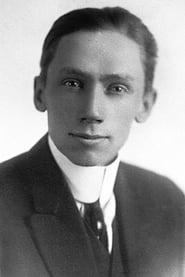
Victor Potel
Actor
Born: October 12, 1889 in Lafayette, Indiana, United States Died: March 8, 1947 Active: 1911-1947
Films
6 films
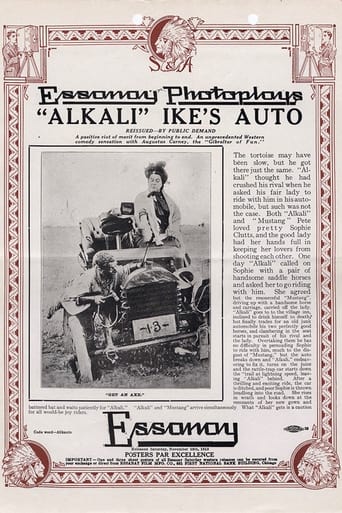
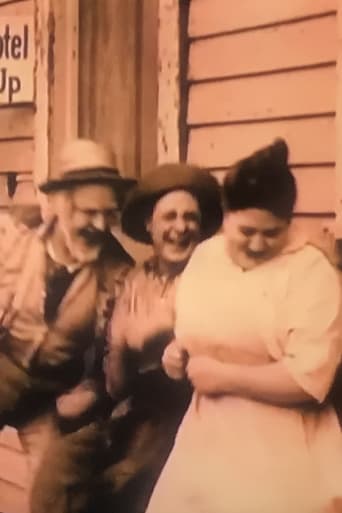
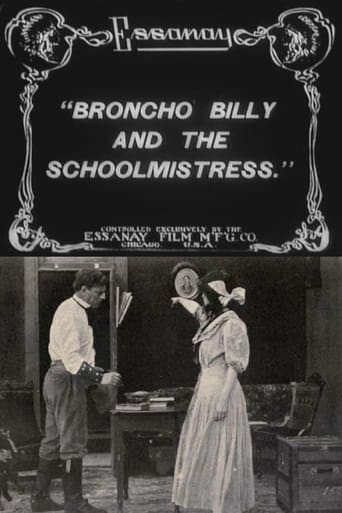
About Victor Potel
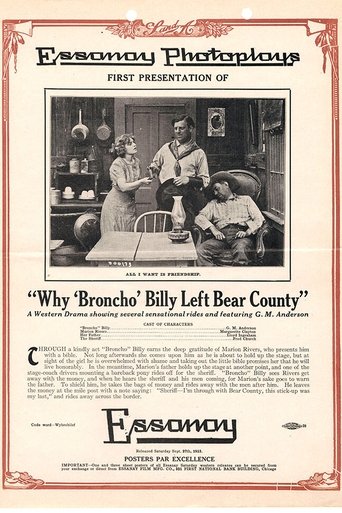
Prolific American character actor: from the silent era through the golden age of Hollywood, appearing in over 400 films between 1911 and 1947. Born in Lafayette, Indiana, Potel began his film career with the Essanay Studios in Chicago, often working alongside comedy legend Ben Turpin in early slapstick comedies. He transitioned successfully to sound films, specializing in comic relief roles and sidekick characters, particularly in Westerns where his distinctive appearance and timing made him a memorable presence. Potel worked with virtually every major studio of his era, including Mack Sennett's Keystone Studios, Hal Roach Productions, and later became a familiar face in John Ford's stock company. His career reached its peak in the 1930s when he appeared in numerous films alongside stars like Will Rogers, John Wayne, and Laurel & Hardy. Despite never achieving leading man status, Potel's versatility and reliability made him one of Hollywood's most recognizable supporting actors for over three decades. His final years were marked by continued work in B-movies and serials until his death in 1947, leaving behind an extensive filmography that serves as a valuable record of early American cinema.
The Craft
On Screen
Potel specialized in broad physical comedy and deadpan delivery, often playing befuddled but good-hearted characters. His distinctive appearance, including his lanky frame and expressive face, made him instantly recognizable to audiences. He excelled at both slapstick timing and subtle character work, particularly adept at playing the comic foil to more serious leading men. His style was rooted in vaudeville traditions but adapted well to the naturalistic demands of sound cinema.
Milestones
- Appeared in over 400 films
- Regular performer at Essanay Studios
- Member of John Ford's stock company
- Transitioned successfully from silent to sound films
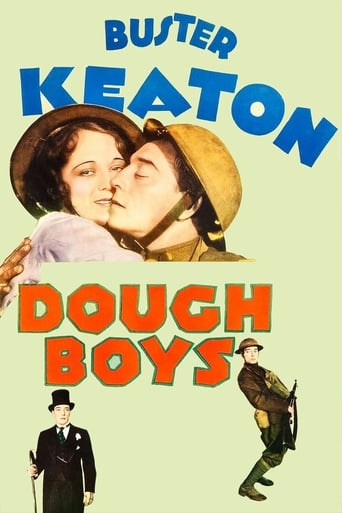
- Worked with major comedy stars including Laurel & Hardy
- Prolific Western sidekick actor
Best Known For
Iconic Roles
Must-See Films
Accolades
Special Recognition
- Hollywood Walk of Fame Star (posthumous)
Working Relationships
Worked Often With
Studios
Why They Matter
Impact on Culture
Victor Potel represents the backbone of early Hollywood cinema - the reliable character actor who appeared in countless films, providing continuity and familiarity for movie audiences. His extensive filmography serves as a valuable historical document of American cinema's evolution from silent films to talkies. Potel's work helped establish the template for the comic sidekick in Westerns, a trope that would dominate the genre for decades. His ability to transition between comedy and drama demonstrated the versatility required of supporting actors in studio-era Hollywood.
Lasting Legacy
Victor Potel's legacy lies in his remarkable filmography of over 400 films, making him. While never a star, his face became familiar to generations of moviegoers who attended films from the 1910s through the 1940s. Film historians and classic cinema enthusiasts recognize him as an essential part of Hollywood's golden age, representing the thousands of working actors who made the studio system function. His performances continue to be discovered by new audiences through film revivals and classic movie channels.
Who They Inspired
Potel influenced generations of character actors through his professional example and consistent work ethic. His comic timing and ability to steal scenes with minimal dialogue became a model for future supporting actors. Many later Western sidekicks, including Gabby Hayes and Smiley Burnette, built upon the foundation that actors like Potel helped establish. His career demonstrated the viability of a long-term career as a character actor in Hollywood, paving the way for future generations of supporting players.
Off Screen
Victor Potel married actress Lillian Worth in 1914, though the marriage ended in divorce. He was known in Hollywood circles as a reliable and professional actor who never married again after his divorce. Potel lived modestly despite his prolific career, investing wisely in real estate which provided him financial security during his later years. He was known among colleagues as a generous and kind-hearted person who often helped struggling actors find work. He maintained close friendships with many of his co-stars throughout his career.
Education
Limited formal education, largely self-taught in acting through vaudeville experience and early film work
Family
- Lillian Worth (1914-1920)
Did You Know?
- Appeared in more films than many of the stars he supported
- Began his career as a stagehand before moving in front of the camera
- Worked with both Charlie Chaplin and Buster Keaton early in their careers
- Was one of the few actors to successfully transition from Essanay to major studios
- Often played characters named 'Victor' in his films
- Survived several serious accidents on film sets during his career
- Was known for never turning down work, regardless of the role size
- His final film appearance was posthumously released in 1948
- Maintained a complete collection of all his films, now lost
- Was considered
In Their Own Words
I'm not a star, but I've worked with more stars than most stars have worked with.
In every picture, someone has to be the fellow who falls down. I'm proud to be that fellow.
Silent films taught me everything I needed to know about acting. The rest was just learning to talk.
Frequently Asked Questions
Who was Victor Potel?
Screen credits include over 400 films from 1911 to 1947, specializing in comic relief roles and Western sidekicks during the silent and early sound eras of Hollywood.
What films is Victor Potel best known for?
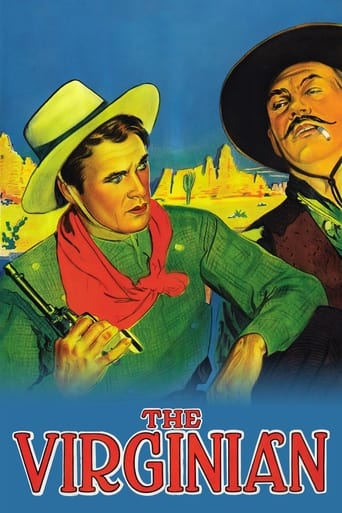
Titles linked here include The Virginian (1929), Stagecoach (1939).
When was Victor Potel born and when did he die?
Born October 12, 1889; died March 8, 1947.
What awards did Victor Potel win?
While Victor Potel never received major acting awards during his lifetime, he was posthumously honored with a star on the Hollywood Walk of Fame in recognition of his extensive contributions to cinema.
What was Victor Potel's acting style?
Potel specialized in broad physical comedy with deadpan delivery, often playing befuddled but good-hearted characters. His distinctive appearance and timing made him ideal for comic relief roles in both comedies and dramatic films.
How many films did Victor Potel appear in?
Victor Potel appeared in over 400 films during his 36-year career, making him.
Did Victor Potel work with any famous directors?
Yes, Potel worked with many legendary directors including John Ford (as a member of his stock company), Frank Capra, and Howard Hawks, appearing in multiple films for each director.