

E.H. Calvert
Actor
Born: June 27, 1863 in Nashville, Tennessee, USA Died: October 5, 1941 Active: 1912-1941 Birth Name: Edward H. Calvert
Films
9 films

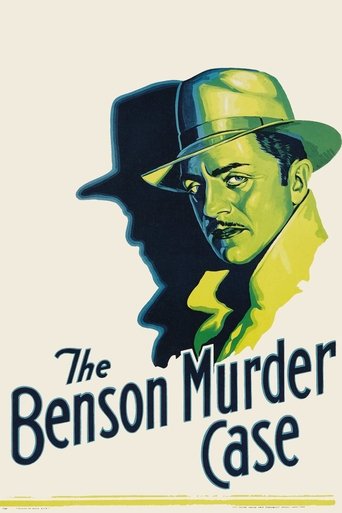
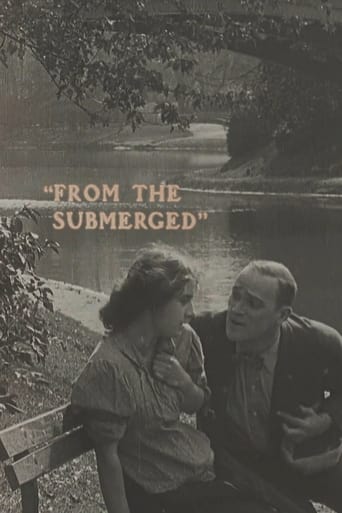
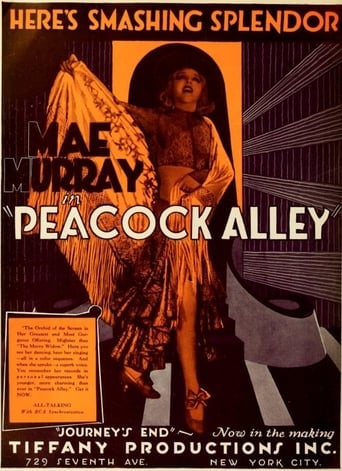
About E.H. Calvert
Edward H. Calvert was born on June 27, 1863, in Nashville, Tennessee, during the American Civil War, and began his career as a stage actor before transitioning to the burgeoning film industry in the early 1910s. He quickly established himself as a reliable character actor and director during the silent era, working with major studios including Paramount Pictures and Fox Film Corporation. Calvert appeared in over 150 films between 1912 and 1941, developing a specialty for portraying authority figures such as judges, doctors, and military officers with his dignified presence and commanding demeanor. As a director, he helmed numerous silent shorts and features throughout the 1910s and 1920s, demonstrating versatility behind the camera as well as in front of it. He successfully navigated the challenging transition from silent films to talkies, continuing his acting career into the sound era with notable roles in films like 'The Canary Murder Case' and 'The Love Parade' in 1929. Calvert remained active in films through the 1930s, appearing in both leading and supporting roles, and worked until shortly before his death, passing away on October 5, 1941, in Los Angeles, California.
The Craft
On Screen
Calvert — character actor known for his dignified portrayals of authority figures including judges, doctors, and military officers. His stage background provided him with a commanding presence that translated well to the screen, and he had a particular talent for conveying authority and wisdom through subtle gestures and expressions. During the silent era, he relied on his expressive face and body language to communicate emotion, and he successfully adapted these skills to sound films with his clear, measured delivery. His performances were marked by reliability and professionalism, making him a valuable supporting player in numerous productions throughout his nearly three-decade career.
Milestones
- Transitioned from stage to film in the early 1910s
- Directed numerous silent films in the 1910s and 1920s
- Successfully adapted to talkies in the late 1920s
- Appeared in over 150 films during his career
- Specialized in playing authority figures and character roles
- Worked with major Hollywood studios including Paramount and Fox
Best Known For
Iconic Roles
Must-See Films
Working Relationships
Worked Often With
Studios
Why They Matter
Impact on Culture
E.H. Calvert represented the journeyman actor who formed the backbone of early Hollywood cinema. As a performer who successfully navigated the transition from silent films to talkies, he exemplified the adaptability required of actors during this revolutionary period in film history. His extensive body of work, spanning nearly three decades, provides a valuable record of the types of character actors who populated American cinema during its formative years. Calvert's career demonstrates how reliable supporting performers contributed to the success of countless films, even while remaining largely anonymous to the general public. His work in notable transition-to-sound films like 'The Love Parade' helped establish the template for character acting in early sound cinema.
Lasting Legacy
Calvert's legacy lies in his extensive filmography, which serves as a historical document of early American cinema from the silent era through the transition to sound. His appearances in notable films from 1929, including 'The Love Parade' and 'The Canary Murder Case,' ensure his place in film history as a representative character actor of his era. While he never achieved the fame of leading stars, his consistent work across three decades of rapid technological and artistic change in Hollywood demonstrates the professionalism and adaptability that characterized the best supporting actors of the period. His career provides insight into the working methods and career patterns of character actors during Hollywood's formative years.
Who They Inspired
As a character actor rather than a star, Calvert's direct influence on subsequent generations of performers is difficult to trace. However, his career provides a model of longevity and adaptability that would inspire countless character actors who followed. His ability to transition successfully from stage to silent film to talkies demonstrated the versatility required for a sustainable career in the rapidly evolving film industry. The reliability and professionalism he brought to his roles set a standard for supporting players in Hollywood's studio system, and his work in early sound films helped establish conventions for character acting in the new medium.
Off Screen
Limited information is available about Calvert's personal life, as was common for many character actors of his era who did not achieve major stardom. He was born in Nashville, Tennessee, during the American Civil War and likely began his career in theater before moving to California to pursue opportunities in the burgeoning film industry. His long career in Hollywood suggests he was well-regarded by his colleagues and studio executives, though specific details about his relationships, family life, or personal interests remain largely undocumented in historical records.
Education
Information not readily available, though his stage career suggests some formal theatrical training or experience
Family
- Information not readily available
Did You Know?
- Born during the American Civil War in 1863
- Began his film career when he was nearly 50 years old
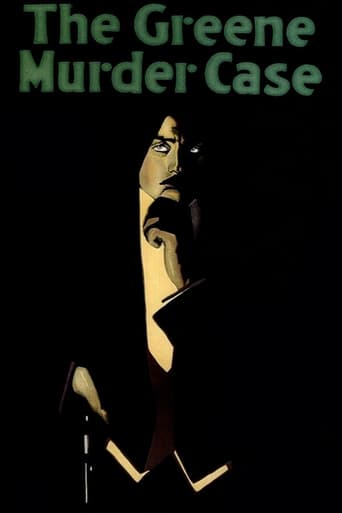
- Appeared in both 'The Canary Murder Case' and 'The Greene Murder Case' in the same year (1929)
- Worked as both an actor and director during his career
- Successfully transitioned from silent films to talkies
- Appeared in 'The Love Parade,' which was Maurice Chevalier's American film debut
- His active years covered nearly three decades in film
- Often played judges and other authority figures
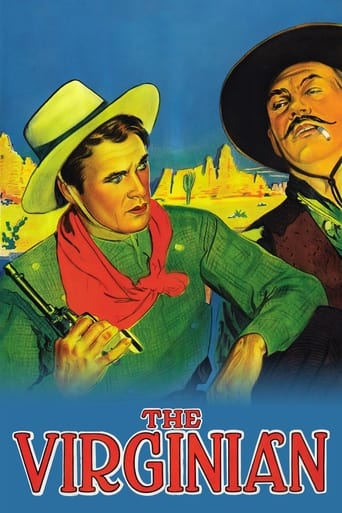
- Appeared in 'The Virginian,' an early sound western starring Gary Cooper
- Was active in films until the year of his death
- Appeared in over 150 films during his career
- Started as a stage actor before transitioning to films
- Directed numerous silent shorts and features in the 1910s and 1920s
In Their Own Words
No specific quotes attributed to him are readily available in historical records
Frequently Asked Questions
Who was E.H. Calvert?
American actor and on YTB.my. Born in 1863, he appeared in over 150 films between 1912 and 1941, often playing authority figures like judges and doctors. He successfully transitioned from silent films to talkies and was a reliable character actor throughout his nearly three-decade career.
What films is E.H. Calvert best known for?
Titles linked here include The Canary Murder Case (1929), The Love Parade (1929).
When was E.H. Calvert born and when did he die?
Born June 27, 1863; died October 5, 1941.
What awards did E.H. Calvert win?
There are no records of E.H. Calvert receiving major awards or nominations during his career. Like many character actors of his era, his contributions were recognized through steady employment rather than formal accolades, though his longevity in the industry testifies to the respect he earned from colleagues and studios.
What was E.H. Calvert's acting style?
Calvert — character actor known for his dignified portrayals of authority figures. With his stage background, he possessed a commanding presence and excelled at conveying authority through subtle expressions and gestures. He successfully adapted these skills from silent films to talkies, where his clear, measured delivery served him well in roles as judges, doctors, and military officers.
Did E.H. Calvert direct films?
Yes, E.H. Calvert worked as both an actor and director during his career, primarily directing silent films in the 1910s and 1920s. His directing work consisted mainly of short subjects and features for major studios, where he was known for his efficient, commercial approach to filmmaking that delivered reliable entertainment for studio audiences.
How did E.H. Calvert transition from silent films to talkies?
Calvert successfully navigated the transition to sound films in the late 1920s, appearing in several notable 1929 talkies including 'The Love Parade' and 'The Canary Murder Case.' His stage background and clear speaking voice helped him adapt to the new medium, and he continued working steadily in sound films throughout the 1930s, demonstrating the versatility that characterized his long career.