
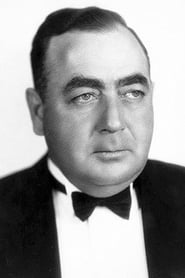

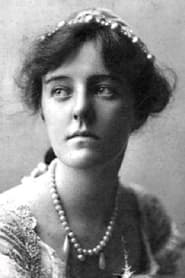

The Greene Murder Case
"Philo Vance and a Greene family murder"
Keys: Space play/pause · ←/→ 10s · F fullscreen · M mute · </> speed
About this film
Philo Vance investigates when a murderer preys upon members of a wealthy family on New York's Upper East Side.
Cast & crew
More films like this
More Mystery films
View all →
More from Frank Tuttle
View all →
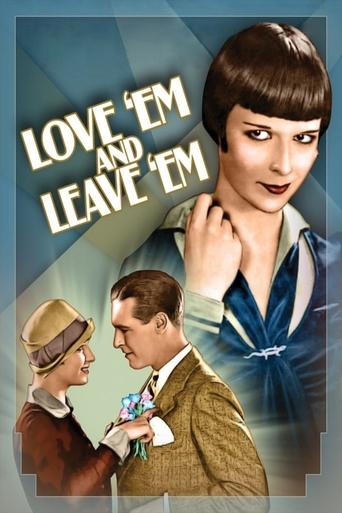
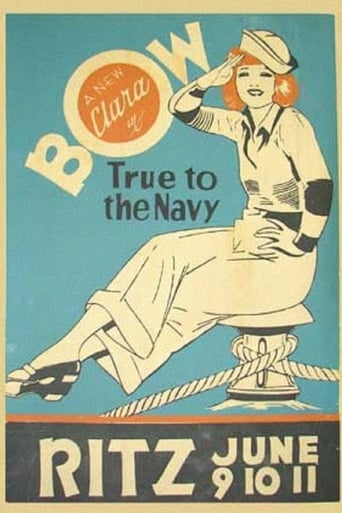
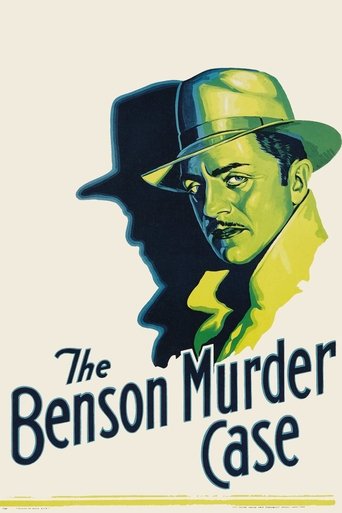
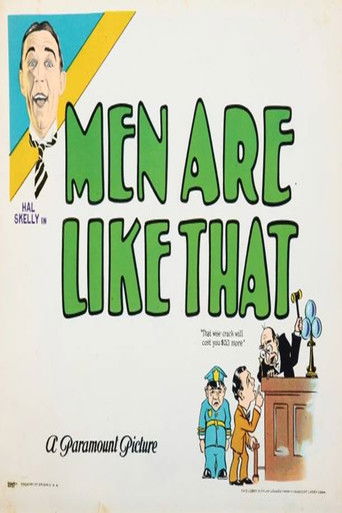
More about this film
About the production
Release dateSeptember 28, 1929
Budget$250,000
Box officeUnknown but reported to be profitable
ProductionParamount Pictures
Filmed inParamount Studios, Hollywood, California
This was one of the early 'part-talkie' films, featuring synchronized sound sequences mixed with silent footage. The production faced challenges with the new sound technology, requiring retakes when microphones picked up unwanted noises. William Powell's performance as Philo Vance was so well-received that he would reprise the role in several subsequent films. The film was adapted from S.S. Van Dine's best-selling novel of the same name, part of the popular Philo Vance mystery series.
Themes
Wealth and corruptionFamily dysfunctionAppearance versus realityPsychological manipulationJustice and morality
Themes & topics
murderdetectivewealthy familymansioninvestigationsuspicioninheritancepsychological thrillerupper classfamily secrets
Historical background
When The Greene Murder Case debuted in 1929, Paramount Pictures was among the companies feeding nickelodeons and larger houses alike.
Why this film matters
Museum programs pair The Greene Murder Case with other 1929 works when discussing philo vance investigates when a murderer preys upon members of a wealthy family on new yor.
Making of
The production of 'The Greene Murder Case' took place during Hollywood's chaotic transition from silent to sound films. The cast and crew struggled with the limitations of early sound recording, which required actors to remain relatively stationary near hidden microphones. William Powell, who had been a major silent star, successfully made the transition to talkies, unlike many of his contemporaries. The film's elaborate mansion set was designed to accommodate both the visual needs of the camera and the technical requirements of sound recording. Director Frank Tuttle had to adapt his directing style for the new medium, focusing more on dialogue and less on visual storytelling. The screenplay adaptation was challenging because it needed to condense Van Dine's complex novel into a feature-length film while maintaining the intricate mystery elements.
What critics said
Archival catalogs list The Greene Murder Case without citing major awards, matching its 1929 profile.
Did you know?
- This was the second film adaptation of a Philo Vance novel, following 'The Canary Murder Case' (1929)
- William Powell's portrayal of Philo Vance helped establish the archetype of the sophisticated, intellectual detective in American cinema
- The film was released just weeks before the 1929 stock market crash, making it one of the last films of the roaring twenties era
- Director Frank Tuttle would later be blacklisted during the McCarthy era and forced to work in Europe
- The Greene Murder Case was one of the first mystery films to use psychological profiling as a key investigative method
- Paramount paid $30,000 for the film rights to S.S. Van Dine's novel, a substantial sum at the time
- The film's success led to three more Philo Vance films starring Powell in quick succession
- The mansion set was among the costliest and elaborate built at Paramount that year
- Sound recording was done using the new Movietone system, which was still experimental in 1929
- Florence Eldridge, who played Sibella Greene, was married to Fredric March in real life
Visual style
The cinematography by Harry Fischbeck effectively used light and shadow to create an atmosphere of suspense and unease within the opulent Greene mansion. The camera work was somewhat constrained by the technical requirements of early sound recording, resulting in fewer dynamic movements than typical silent films of the era. However, Fischbeck managed to create visual interest through strategic lighting and composition, particularly in scenes involving the discovery of murder victims. The film used high-key lighting for the family's public spaces and low-key lighting for the more sinister moments, creating a visual contrast between the family's respectable facade and their dark secrets.
Innovations
The film was notable for its early use of the Movietone sound-on-film system, which represented a significant technical advancement over the earlier Vitaphone sound-on-disc system. The production team developed innovative techniques for hiding microphones within the sets to allow for more natural actor movement. The film also experimented with post-production dubbing to improve audio quality, a practice that would become standard in later years. The seamless integration of sound sequences with remaining silent footage demonstrated the transitional nature of 1929 cinema. The film's sound mix was particularly impressive for its time, balancing dialogue, music, and effects with relative clarity.
Music
The film featured an original score by John Leipold, one of Paramount's house composers during the early sound era. The music was performed by the Paramount studio orchestra and used to enhance suspense and dramatic moments throughout the film. As was common in early talkies, the soundtrack also included various sound effects to punctuate key moments, such as screams, gunshots, and ominous creaks. The film's sound design was innovative for its time, using audio cues to build tension and guide the audience's attention. The musical score incorporated elements of popular 1920s jazz and classical music, reflecting the sophisticated tastes of the film's upper-class characters.
Famous quotes
Vance: 'The human mind, my dear District Attorney, is the most complex and fascinating puzzle of all.'
Vance: 'In every family, there are currents beneath the surface - some gentle, some deadly.'
Vance: 'The perfect crime is not one without clues, but one with too many.'
District Attorney: 'But how did you know?' Vance: 'Because I understand human nature, and human nature is invariably predictable.'
Memorable scenes
- The dramatic revelation scene where Philo Vance gathers all surviving family members in the drawing room to systematically expose the killer's identity and motive, using psychological deduction rather than physical evidence.
- The atmospheric sequence following the discovery of the first murder, with Vance examining the crime scene while the family's reactions reveal their hidden fears and suspicions.
- The tense dinner scene where family tensions erupt, and Vance observes each character's behavior, planting seeds of suspicion about various members.
What audiences thought
The film was a commercial success upon its release, drawing audiences who were eager to see William Powell in another Philo Vance mystery following his success in 'The Canary Murder Case.' Moviegoers appreciated the film's blend of sophistication and suspense, with many reviewers noting that the audience remained engaged throughout the screening, trying to solve the mystery alongside the detective. The film's popularity was particularly strong in urban areas, where audiences could relate to the setting of New York's high society. Despite the impending economic collapse, the film performed well at the box office, demonstrating that audiences still had an appetite for entertainment featuring wealthy lifestyles and complex mysteries.
Film connections
Influenced by
- The Canary Murder Case (1929)
- S.S. Van Dine's Philo Vance novels
- Sherlock Holmes stories
- Golden Age of Detective Fiction
- German Expressionist cinema
This film influenced
- The Benson Murder Case (1930)
- The Bishop Murder Case (1930)
- The Kennel Murder Case (1933)
- The Thin Man series
- Charlie Chan films
Film restoration
The film is preserved in the Paramount Pictures archives and has been restored for preservation purposes. While complete prints exist, some early sound elements have degraded over time. The film has been made available through various classic film channels and archives. A restored version was screened at the TCM Classic Film Festival in 2015 as part of a William Powell retrospective.
Where to watch
- The film is occasionally broadcast on Turner Classic Movies
- Available through the Criterion Channel streaming service
- Can be accessed through some classic film archives and libraries
- Occasionally screened at film festivals specializing in classic cinema
- Available on some DVD collections of William Powell films