
Florence Eldridge
Actor
Born: September 5, 1901 in Brooklyn, New York, USA Died: August 1, 1988 Active: 1923-1969 Birth Name: Florence McKechnie
Films
2 films
About Florence Eldridge
Florence Eldridge is credited on a single production — Mary of Scotland (1936). Born Florence McKechnie in Brooklyn, she began her career on Broadway in the early 1920s before transitioning to films with her debut in The Greene Murder Case (1929). She quickly established herself as a versatile character actress, known for her intelligence, poise, and commanding screen presence. Her career flourished both on stage and screen, with notable performances in films like 'Mary of Scotland' (1936) and 'I Am a Fugitive from a Chain Gang' (1932). Eldridge was equally celebrated for her stage work, particularly in Shakespearean productions and contemporary dramas. She formed one of Hollywood's most enduring partnerships with her husband, Fredric March, with whom she frequently performed both on screen and stage. Her career continued successfully through the 1940s and 1950s, after which she focused more on theater and television appearances before retiring from acting.
The Craft
On Screen
Eldridge was known for her naturalistic yet commanding acting style, bringing intelligence and emotional depth to her roles. She excelled at portraying strong, complex female characters, often playing queens, society women, and maternal figures with equal conviction. Her stage background gave her exceptional diction and presence, while her film work demonstrated a subtle, understated approach that was ahead of its time. She had a particular talent for conveying inner strength and resilience, making her characters memorable even in supporting roles.
Milestones
- Broadway debut in 'The Squab Farm' (1923)
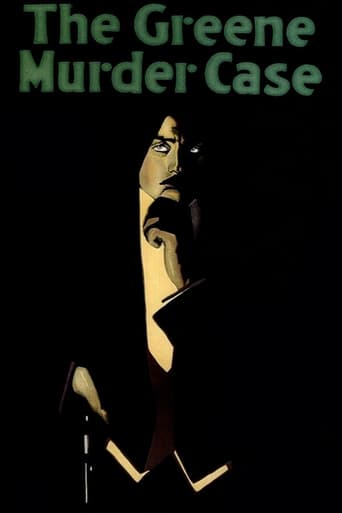
- Film debut in 'The Greene Murder Case' (1929)
- Marriage to Fredric March (1929-1975)
- Tony Award nomination for 'Years Ago' (1946)
- Successful stage partnership with Fredric March in 'Long Day's Journey Into Night'
- Memorable film role as Queen Elizabeth I in 'Mary of Scotland' (1936)
- Return to Broadway in 'The Music Box Revue of 1923'
Best Known For
Iconic Roles
Must-See Films
Accolades
Won
- Sarah Siddons Award (1954)
- Donaldson Award (1947)
Nominated
- Tony Award for Best Featured Actress in a Play for 'Years Ago' (1947)
- Academy Award consideration for Best Supporting Actress for 'Mary of Scotland' (1936)
Special Recognition
- Inducted into the American Theatre Hall of Fame
- Honorary Doctorate from Northwestern University
- Fredric March and Florence Eldridge Theater named in their honor at University of Wisconsin
Working Relationships
Worked Often With
Studios
Why They Matter
Impact on Culture
Florence Eldridge represented the transition from silent film to sound era and exemplified the serious, classically trained actress who moved seamlessly between stage and screen. Her partnership with Fredric March set a standard for artistic marriages in Hollywood, demonstrating that personal and professional collaboration could enhance both careers. She was part of the generation of actors who helped establish theater as a respected art form in America, particularly through her work in Shakespearean productions and serious contemporary drama. Her performances often challenged traditional gender roles, portraying women of strength, intelligence, and complexity during an era when such representations were rare.
Lasting Legacy
Eldridge's legacy lies in her contribution to both American theater and cinema, particularly in elevating the artistic standards of both mediums. She is remembered as one half of one of Hollywood's most acting couples, setting a precedent for artistic collaboration and mutual respect in entertainment. Her dedication to serious dramatic roles helped pave the way for future generations of actresses to pursue complex, challenging characters rather than being limited to romantic leads. The theater bearing her and March's name continues to honor their commitment to dramatic arts. Her performances in both classical and contemporary works remain studied examples of sophisticated, intelligent acting.
Who They Inspired
Eldridge influenced generations of actors through her naturalistic yet powerful approach to performance, particularly her ability to bring theatrical gravitas to film without sacrificing authenticity. Her successful career in both mediums demonstrated to future actors that they need not choose between stage and screen success. Her work in Shakespeare and other classical theater helped maintain the tradition of serious dramatic training during Hollywood's golden age. Many contemporary actresses cite her as an inspiration for maintaining artistic integrity while working within the studio system.
Off Screen
Florence Eldridge married fellow actor Fredric March in 1929, forming one of Hollywood's most respected and enduring partnerships. Their marriage lasted 46 years until March's death in 1975. The couple had two adopted children, Penelope and Anthony. They were known for their intellectual pursuits and commitment to serious theater, often performing together in both classical and contemporary works. After March's death, Eldridge largely retired from public life but occasionally appeared in tributes to her late husband and in documentary interviews about classic Hollywood.
Education
Attended Erasmus Hall High School in Brooklyn; studied acting at the American Academy of Dramatic Arts
Family
- Fredric March (1929-1975)
Did You Know?
- She changed her professional name from McKechnie to Eldridge early in her career
- She and Fredric March were both nominated for Academy Awards in different years but never won
- She was a accomplished painter and sculptor in her private life
- She spoke fluent French and often translated plays for American productions
- She was a passionate advocate for actors' rights and helped establish the Actors' Equity Association
- She turned down several major Hollywood roles to remain with her husband in New York for theater work
- She was known for her extensive personal library of over 5,000 books
- She appeared in the first televised production of 'Long Day's Journey Into Night' in 1958
- She was a close friend of Eleanor Roosevelt and participated in several wartime charity efforts
- She taught acting at Northwestern University during the 1950s
In Their Own Words
Acting is not about being someone else, it's about finding yourself in the character.
The stage is my first love, but film taught me the beauty of subtlety.
Fredric and I never competed; we completed each other's work.
In theater, you give your soul to the audience. In film, you give them a piece of your heart.
The best actors are those who never stop learning, never stop observing life around them.
Frequently Asked Questions
Who was Florence Eldridge?
American actress known for her work in both theater and film during Hollywood's Golden Age. Born in 1901, she began her career on Broadway before transitioning to films in 1929. She was particularly renowned for her partnership with her husband, actor Fredric March, and her powerful performances in both classical and contemporary dramatic roles.
What films is Florence Eldridge best known for?
Titles linked here include The Greene Murder Case (1929), I Am a Fugitive from a Chain Gang (1932).
When was Florence Eldridge born and when did she die?
Born September 5, 1901; died August 1, 1988.
What awards did Florence Eldridge win?
While she never won an Academy Award, Eldridge received a Tony Award nomination for Best Featured Actress in a Play for 'Years Ago' in 1947. She won the Sarah Siddons Award in 1954 and the Donaldson Award in 1947. She and her husband were also honored with a theater named after them at the University of Wisconsin.
What was Florence Eldridge's acting style?
Eldridge was known for her naturalistic yet commanding acting style, characterized by intelligence, emotional depth, and exceptional diction from her stage background. She excelled at portraying strong, complex female characters with subtlety and authenticity, bringing theatrical gravitas to film without sacrificing realism. Her performances were marked by inner strength and emotional resilience.
How long were Florence Eldridge and Fredric March married?
Florence Eldridge and Fredric March were married for 46 years, from 1929 until March's death in 1975. Their marriage was considered one of Hollywood's most enduring and respected partnerships, both personally and professionally, as they frequently performed together on stage and screen.
Did Florence Eldridge have children?
Yes, Florence Eldridge and Fredric March had two adopted children, a daughter named Penelope and a son named Anthony. The family maintained a relatively private life despite their fame, focusing on their artistic pursuits and intellectual interests.