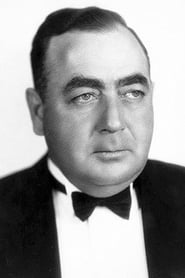
Eugene Pallette
Actor
Born: July 8, 1889 in Winfield, Kansas, USA Died: September 3, 1954 Active: 1912-1946 Birth Name: Eugene William Pallette
Films
23 films
Sugar Daddies
1927
My Man Godfrey
1936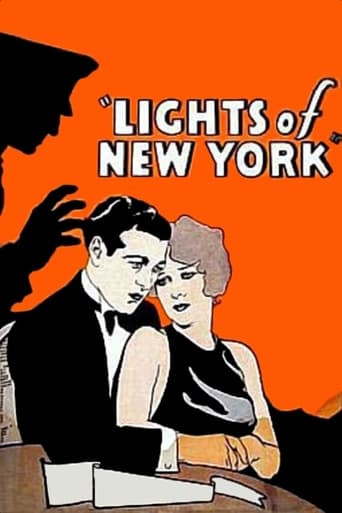
Lights of New York
1928
Jewish Prudence
1927
Fluttering Hearts
1927
The Canary Murder Case
1929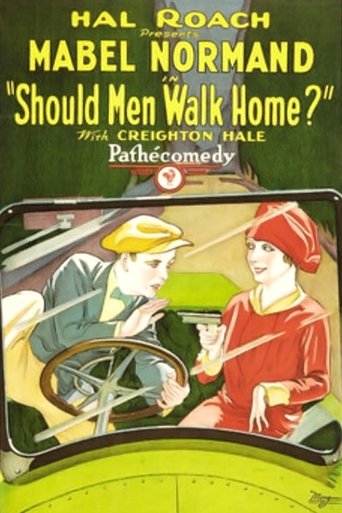
Should Men Walk Home?
1927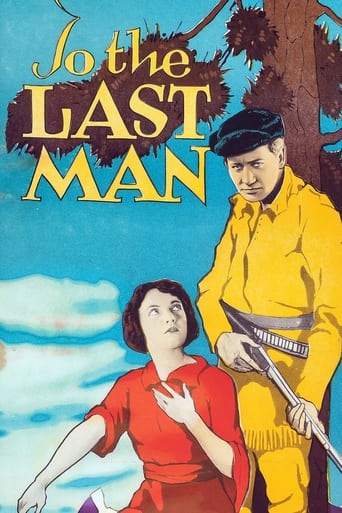
To the Last Man
1923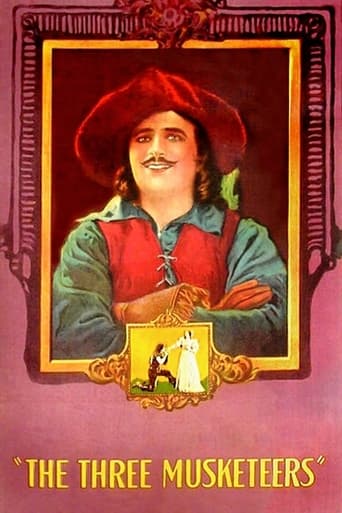
The Three Musketeers
1921
The Love Parade
1929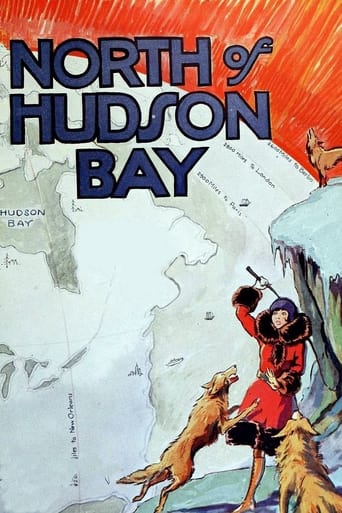
North of Hudson Bay
1923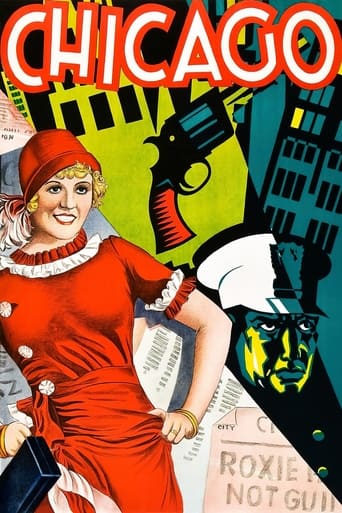
Chicago
1927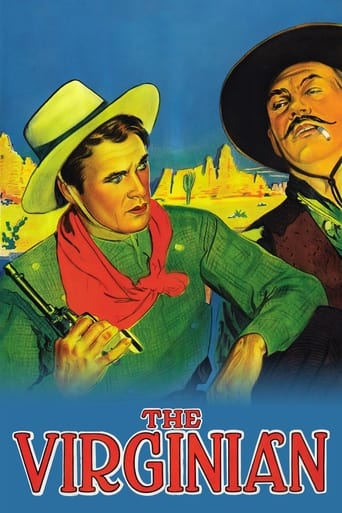
The Virginian
1929
You Never Know Women
1926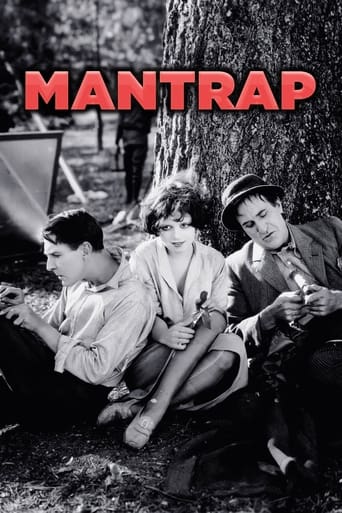
Mantrap
1926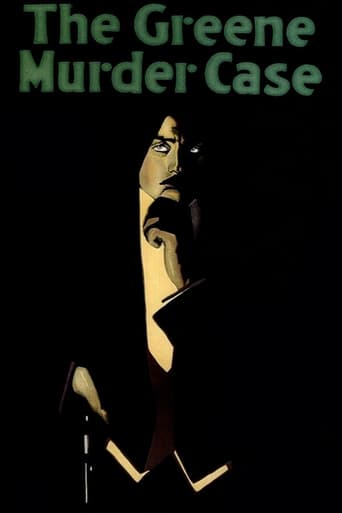
The Greene Murder Case
1929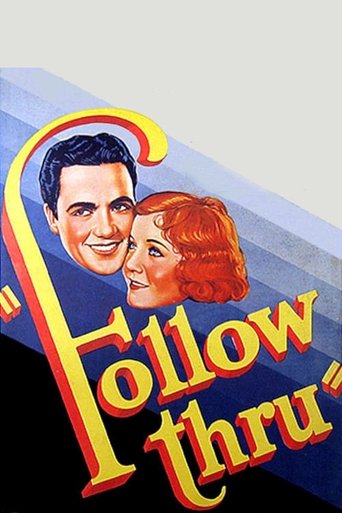
Follow Thru
1930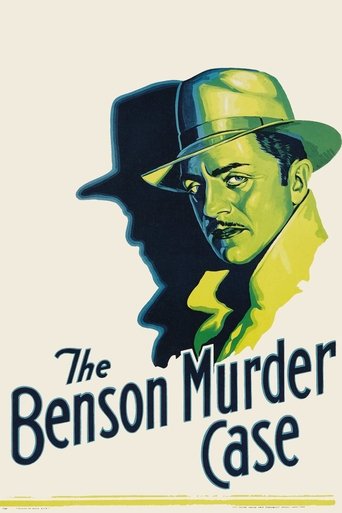
The Benson Murder Case
1930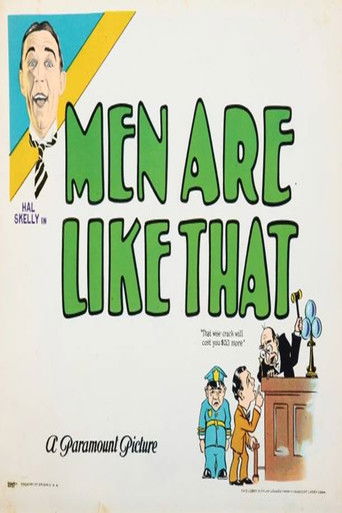
Men Are Like That
1930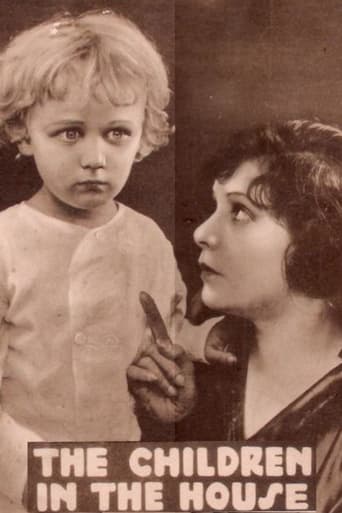
The Children in the House
1916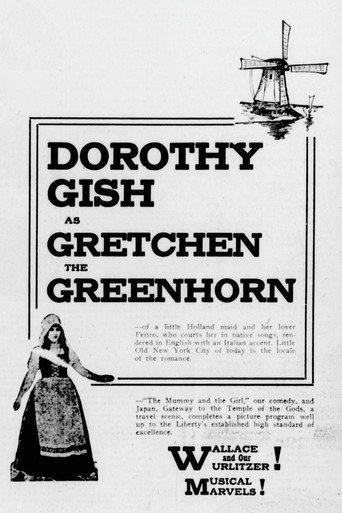
Gretchen the Greenhorn
1916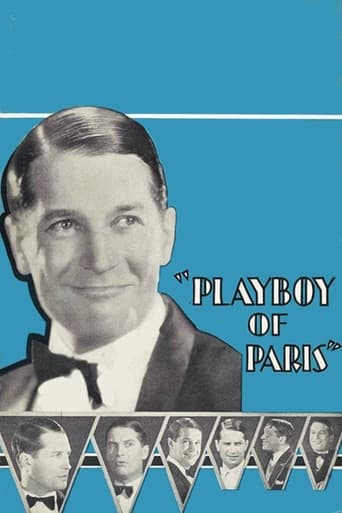
Playboy of Paris
1930About Eugene Pallette
Character actor: from the silent era through the golden age of Hollywood, beginning as a leading man in silent films before finding his true calling as a supporting actor in talkies. His distinctive deep, gravelly voice and rotund physique made him instantly recognizable, leading to frequent casting as butlers, sidekicks, and authority figures. Pallette successfully transitioned from silent films to sound pictures, where his resonant voice became his greatest asset, making him sought-after character actors of the 1930s and early 1940s. Eugene appears in over 200 films, working with directors like John Ford, Howard Hawks, and Michael Curtiz, often providing comic relief or steady support to leading stars. By the mid-1940s, his career began to wane due to his controversial political views and increasingly eccentric behavior, though he remained a memorable presence in classic Hollywood cinema. His final years were marked by reclusion on his Oregon ranch, where he lived until his death in 1954, leaving behind a legacy as one of Hollywood's most distinctive character actors.
The Craft
On Screen
Pallette was known for his distinctive gravelly voice that became his trademark in sound films, delivering lines with a deadpan, world-weary authority that could instantly command attention. His physical presence—portly and often stern-looking—combined with his vocal delivery made him perfect for playing butlers, police chiefs, and other authority figures. He had a natural comedic timing, often playing exasperated characters who provided comic relief through their reactions to the chaos around them. His style was understated yet memorable, never overplaying his hand but leaving a lasting impression with minimal screen time.
Milestones
- Transitioned successfully from silent leading man to sound character actor
- Became one of Hollywood's highest-paid supporting actors in the 1930s
- Appeared in over 200 films during his 34-year career
- Developed
- Starred in multiple Academy Award Best Picture nominees
Best Known For
Iconic Roles
Must-See Films
Accolades
Special Recognition
- Hollywood Walk of Fame star (located at 6705 Hollywood Boulevard)
Working Relationships
Worked Often With
Studios
Why They Matter
Impact on Culture
Eugene Pallette's distinctive voice and screen presence made him. His ability to instantly establish character through minimal dialogue and his perfect timing in comic situations influenced how supporting roles were conceived and performed in American cinema. Pallette represented the journey of many silent film actors who successfully adapted to the sound era, proving that character actors could become as essential to a film's success as its stars. His performances in films like 'My Man Godfrey' and 'The Adventures of Robin Hood' helped define the archetype of the wise-cracking, world-weary sidekick that would become a staple of Hollywood comedies and adventures.
Lasting Legacy
Eugene Pallette's legacy endures through his memorable performances in some of Hollywood's most beloved classic films, where his distinctive voice and deadpan delivery continue to entertain audiences decades later. He remains a favorite among classic film enthusiasts who appreciate the art of character acting, with his performances often cited as examples of perfect comic timing and efficient storytelling through minimal screen time. Modern character actors with distinctive voices or physical presence owe a debt to pioneers like Pallette, who proved that supporting roles could be just as memorable as leads. His work serves as a masterclass in how to create lasting impressions with limited material, making him a subject of study for actors and film scholars interested in the craft of character performance.
Who They Inspired
Pallette influenced generations of character actors by demonstrating how distinctive vocal qualities and physical presence could be leveraged to create memorable supporting roles. His deadpan delivery style influenced comic actors who followed, showing how humor could be generated through understatement rather than overt comedy. His successful transition from silent leading man to sound character actor provided a blueprint for other actors facing the challenges of the talkie revolution. Contemporary character actors with unique voices, such as Stephen Tobolowsky and Wallace Shawn, work in a tradition that Pallette helped establish—creating memorable characters through distinctive vocal and physical attributes.
Off Screen
Pallette married twice, first to actress Marta M. Manley in 1922, which ended in divorce in 1932, then to LaVelle Yoder in 1935, with whom he remained until his death. He had no children from either marriage. In his later years, he became increasingly reclusive and developed strong anti-government views, leading him to establish a survivalist compound in Oregon where he stockpiled food and weapons in preparation for what he believed was an imminent Soviet invasion. His eccentric behavior and controversial political beliefs contributed to his declining career opportunities in the 1940s.
Education
Attended the University of Notre Dame but left before graduating to pursue acting
Family
- Marta M. Manley (1922-1932)
- LaVelle Yoder (1935-1954)
Did You Know?
- His deep, gravelly voice was so distinctive that it became his trademark in sound films
- He was one of the highest-paid character actors in Hollywood during the 1930s
- Before becoming an actor, he worked as a railroad fireman
- He was a licensed pilot and owned several airplanes
- In his later years, he became a survivalist and built a fortified compound in Oregon
- He originally studied to be a lawyer before turning to acting
- His weight fluctuated dramatically throughout his career, affecting the types of roles he received
- He was a staunch Republican and conservative, which sometimes created tension in liberal Hollywood circles
- Despite playing many authority figures, he stood only 5'7' tall
- He was a skilled horseman and performed many of his own stunts in westerns
In Their Own Words
(As Friar Tuck in 'The Adventures of Robin Hood') 'Welcome to Sherwood, my lady!' - greeting Maid Marian with characteristic warmth
(In 'My Man Godfrey') 'I'm the only one in the family who's normal!' - delivering the line with perfect deadpan irony
(On his acting philosophy) 'I don't act, I react. The other actors do all the work, I just respond to what they give me'
Frequently Asked Questions
Who was Eugene Pallette?
Prolific American character with credits in this catalog. He successfully transitioned from silent leading man to sound character actor, appearing in over 200 films and becoming.
What films is Eugene Pallette best known for?
Titles linked here include My Man Godfrey (1936), The Adventures of Robin Hood (1938).
When was Eugene Pallette born and when did he die?
Born July 8, 1889; died September 3, 1954.
What made Eugene Pallette's acting style unique?
Pallette's acting style was defined by his exceptionally deep, gravelly voice which became his trademark in sound films, combined with his deadpan delivery and world-weary demeanor. He specialized in playing authority figures and comic sidekicks, using minimal dialogue to maximum effect and creating memorable characters through his distinctive vocal quality and understated reactions.
Did Eugene Pallette win any major awards for his acting?
Despite his prolific career and memorable performances, Eugene Pallette never received Academy Award nominations or won major acting awards. However, he was honored with a star on the Hollywood Walk of Fame and is remembered as.
What happened to Eugene Pallette's career in his later years?
Pallette's career declined in the mid-1940s due to his increasingly eccentric behavior and controversial political views, including strong anti-government sentiments and survivalist activities. He became reclusive, established a fortified compound in Oregon, and made his final film appearance in 1946, spending his remaining years away from Hollywood until his death in 1954.