The Second 100 Years
"Two convicts, one hopeless escape"
Keys: Space play/pause · ←/→ 10s · F fullscreen · M mute · </> speed
About this film
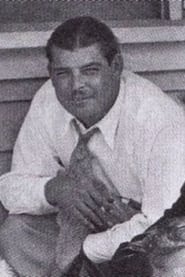
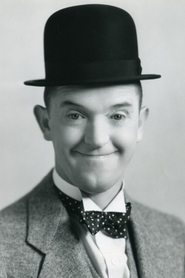
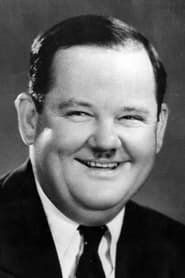
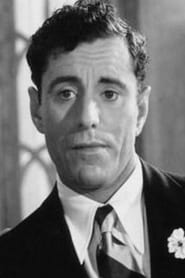
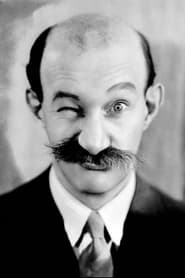
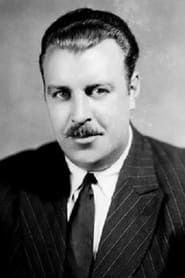
Stan Laurel and Oliver Hardy play convicts who tunnel out of prison and steal civilian clothes, then bungle every step of their bid for freedom. Slapstick mishaps with guards, mistaken identities, and ill-fitting disguises pile up until the pair is recaptured in one of their earliest shared Roach Studio shorts.
Cast & crew
More films like this
More Comedy films
View all →







More from Fred Guiol
View all →
More about this film
About the production
Release dateMay 14, 1927
ProductionHal Roach Studios
Filmed inHal Roach Studios, Culver City, California
This was one of the early collaborations between Laurel and Hardy before they were officially established as a permanent comedy team. The film was produced during the height of the silent era, just before the transition to sound films. Hal Roach Studios was known for its efficient production methods, often completing comedy shorts in just a few days. The prison set was a reusable set piece that appeared in multiple Roach productions.
Themes
Prison escapeMistaken identityFriendship and loyaltyAuthority versus rebellionPhysical comedy and slapstick humor
Themes & topics
prisonescapeconvictscomedysilent filmslapstickmistaken identitydisguisepolicechaseprison breakshort film
Historical background
The Second 100 Years appeared in 1927, when the late silent period and the transition to sound shaped how movies were financed, distributed, and discussed. Audiences of the day encountered the work amid shifting tastes in acting, pacing, and spectacle. Its focus on laurel and hardy are convicts making an escape from prison mirrors themes circulating in popular culture of that moment.
Why this film matters
The Second 100 Years (1927) belongs to the wider archive of world cinema, documenting laurel and hardy are convicts making an escape. Archivists and historians value such titles for what they reveal about craft, genre, and audience expectations. Restorations and festival screenings keep the work visible to viewers far beyond its first run.
Making of
The production of 'The Second 100 Years' took place during a formative period in comedy history at Hal Roach Studios. The film was part of a series of shorts that gradually built the Laurel and Hardy partnership, with director Fred Guiol playing a crucial role in shaping their dynamic. The comedy team was still developing their iconic characters, with Hardy's pompous but lovable persona and Laurel's childlike innocence becoming more defined with each film. The prison set was a versatile backdrop that allowed for numerous physical comedy opportunities, and the cast often improvised gags during filming. The production team worked quickly, as was typical for comedy shorts of the era, often completing filming in just two to three days. The film's success helped cement the decision to make Laurel and Hardy a permanent team, leading to their status in comedy history.
What critics said
Press coverage from 1927 is fragmentary for many titles of this vintage; surviving notices for The Second 100 Years tend to stress novelty, star power, or topical appeal. Later writing places the picture within its national and generic context, weighing both period conventions and moments that still land for modern viewers. Streaming and disc releases have revived discussion among classic-film audiences.
Did you know?
- This film was released before Laurel and Hardy were officially established as a comedy team by Hal Roach Studios
- The title is a play on the phrase 'The First Hundred Years,' suggesting an impossibly long prison sentence
- Director Fred Guiol directed numerous Laurel and Hardy films and was instrumental in developing their on-screen chemistry
- Charlie Hall, who appears in the film, would become among the leading frequent supporting actors in Laurel and Hardy movies
- The prison escape theme was a popular comedy trope in silent films, allowing for physical comedy and chase sequences
- This was one of over 100 films Laurel and Hardy would make together during their career
- The film was shot during the transition period when many studios were beginning to experiment with sound technology
- Hal Roach Studios was nicknamed 'The Lot of Fun' due to its focus on comedy productions
- The film's gags and routines were often improvised on set, a common practice in Roach productions
- This short film was typically shown as part of a larger theater program, alongside newsreels and other shorts
Visual style
The cinematography in 'The Second 100 Years' reflects the standard practices of silent comedy production in the late 1920s. The camera work was functional rather than artistic, focusing on clearly capturing the physical comedy and facial expressions of the performers. Wide shots were used to establish the prison setting and allow for full visibility of the slapstick sequences, while medium shots captured the performers' reactions and interactions. The lighting was bright and even, typical of studio productions of the era, ensuring that all details of the physical comedy were visible to the audience. The camera remained relatively static compared to modern filmmaking, with movement limited to what was necessary to follow the action. The film stock was black and white, and the cinematography emphasized contrast to help define the visual elements of the comedy.
Innovations
While 'The Second 100 Years' was not a groundbreaking film in terms of technical innovation, it represents the refinement of established silent comedy techniques. The film demonstrates sophisticated use of visual storytelling without dialogue, relying on pantomime, physical comedy, and visual gags to convey humor and narrative. The editing effectively times the comedy sequences for maximum impact, a crucial skill in silent comedy. The use of the prison set and props shows the efficiency of studio production methods, with reusable elements that could be quickly adapted for different films. The film's preservation demonstrates the durability of nitrate film stock when properly stored, though many films from this era have been lost due to deterioration. The cinematography effectively captures the rapid-fire pace of the comedy, using the technical limitations of the era to its advantage rather than being constrained by them.
Music
As a silent film, 'The Second 100 Years' had no synchronized soundtrack, but it would have been accompanied by live musical performance during theatrical exhibition. The typical accompaniment would have included a piano or organ player providing mood music and synchronized sound effects. The prison scenes would have featured dramatic, tense music, while the comedy sequences would have been accompanied by lighter, more playful tunes. Sound effects like crashes, bangs, and slide whistles would have been created by the musician or additional theater staff to enhance the physical comedy. Some larger theaters might have employed small orchestras for more elaborate presentations. The musical cues would have been suggested in the film's cue sheets, which were distributed to theaters to guide the accompaniment. This live musical element was integral to the silent film experience and significantly influenced audience perception and enjoyment of the comedy.
Famous quotes
(Silent film - no dialogue, but memorable visual gags include Laurel's exaggerated expressions and Hardy's exasperated reactions)
Memorable scenes
- The prison escape sequence where Laurel and Hardy attempt to climb over the wall using a makeshift rope, resulting in classic slapstick comedy as they struggle and fail repeatedly. The scene showcases their contrasting physical types and comedic timing, with the slender Laurel and portly Hardy creating visual humor through their different approaches to the escape attempt.
What audiences thought
Audiences in 1927 responded positively to the film's slapstick humor and the emerging dynamic between Laurel and Hardy. The prison escape scenario provided relatable conflict and opportunities for the physical comedy that silent film audiences craved. Theater audiences often laughed aloud at the visual gags, a common reaction to successful comedy shorts of the era. The film's popularity helped build audience recognition of the two comedians as a team, contributing to their growing star power. Modern audiences, particularly classic film enthusiasts and comedy historians, appreciate the film as an early example of the duo's work, though it's less well-known than their later features. The film continues to entertain audiences at classic film festivals and in retrospective screenings, where its timeless physical comedy still generates laughter.
Film connections
Influenced by
- Mack Sennett comedies
- Buster Keaton's physical comedy
- Charlie Chaplin's character development
- Harold Lloyd's stunt comedy
- Hal Roach's production style
This film influenced
- Liberty (1929)
- Pardon Us (1931)
- The Music Box (1932)
- Sons of the Desert (1933)
- Way Out West (1937)
Film restoration
The film is preserved and available through various archives. It has been restored and is part of the Laurel and Hardy collection maintained by film preservation organizations. The film exists in 35mm format and has been transferred to digital media for modern viewing. It is not considered a lost film, unlike many silent-era productions.
Where to watch
- The film is available on various DVD collections of Laurel and Hardy shorts
- Streaming services specializing in classic cinema
- Film archive websites
- Classic film festivals and retrospective screenings
- Public domain collections (if applicable)